

On a busy autumn day at the University of Washington’s Seattle campus, nearly 70 students from Federal Way High School stepped into the world of healthcare—listening to heartbeats, testing reflexes, and asking big-picture questions about their futures. The experience was part of Healthcare Explorers Day, a hands-on outreach event organized through the Family Medicine Interest Group (FMIG) at the University of Washington School of Medicine (UWSOM). The event was led by second-year medical student Vanessa Guinto, who served as the primary student organizer, with support from fellow Seattle MS2 CJ James and a team of student and faculty collaborators.
For Guinto, Healthcare Explorers Day reflects both her personal journey into medicine and her commitment to making that path more visible for others. Her interest in medicine began early. “My parents and grandparents ran an adult family home when I was younger, and I was always really amazed by their knowledge and care for others,” she said. “Growing up, I also met many doctors that helped me and my loved ones navigate health issues and was inspired to study medicine to help others do the same.” Guinto is currently interested in internal medicine or family medicine.
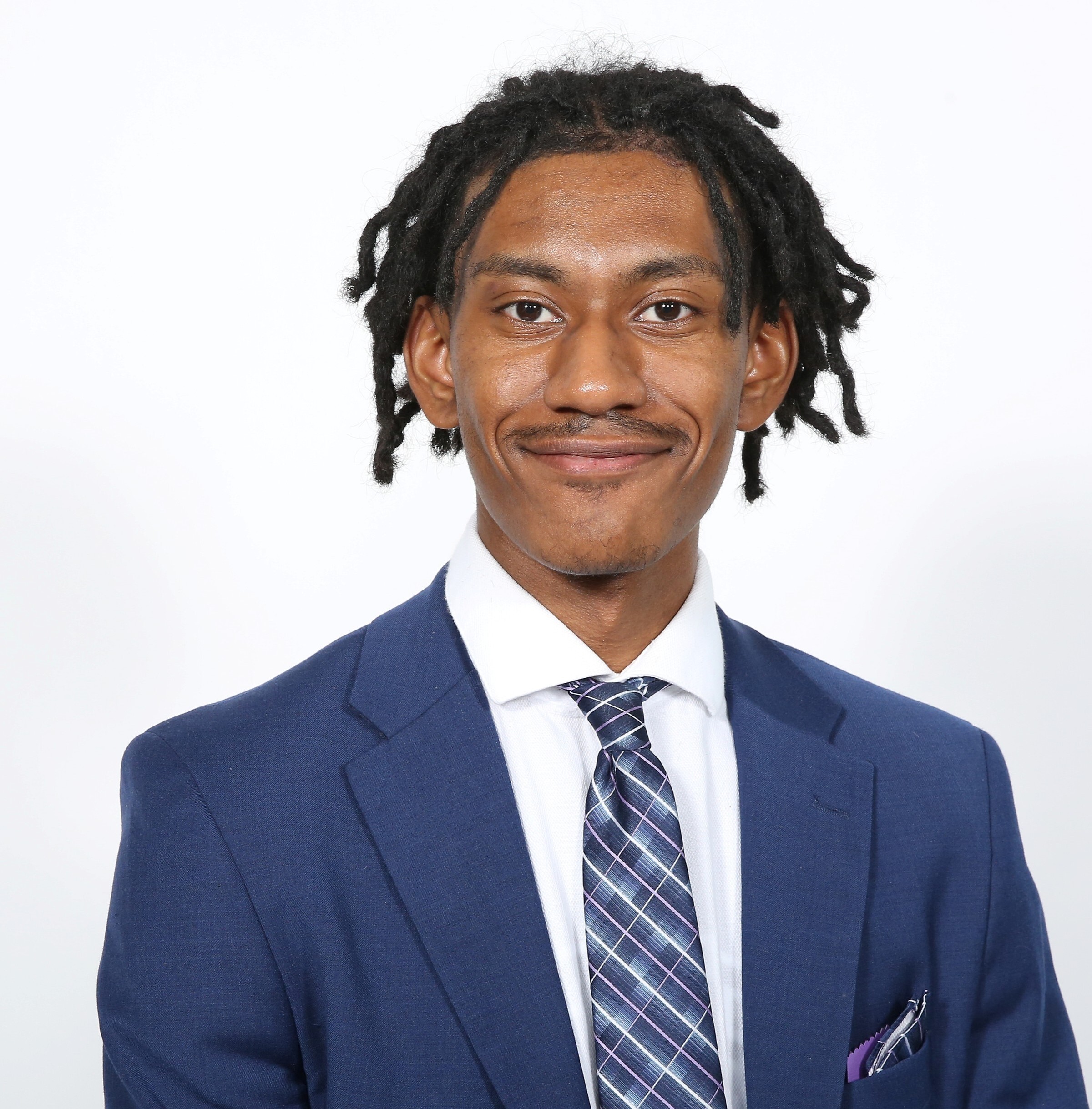
Guinto’s background in primary care drew her to FMIG, where she took on a leading role in planning and coordinating Healthcare Explorers Day. “The idea of medical school seemed so far out of reach to me when I was in high school,” she said. “Events like these are so important to show young students it’s possible and give them a chance to ask questions and explore their interest in the field.” As the lead student organizer, Guinto coordinated partners, volunteers, and programming to ensure the event offered both hands-on experiences and candid conversations about careers in healthcare. She also emphasized the importance of representation, noting that “it’s incredibly impactful for young students to see groups that are underrepresented in medicine at these events, teaching and sharing their paths to a career in healthcare.”
Healthcare Explorers Day builds on the long-standing Doctor for a Day (DFAD) program, an initiative that introduces K–12 students to careers in medicine through hands-on learning and mentorship. While DFAD traditionally centers on the physician experience, Healthcare Explorers Day expands that model to highlight the full healthcare team. “We try to include other healthcare careers like pharmacy, nursing, physician assistantship (PA), physical therapy (PT), dentistry, and healthcare technicianship,” explained James. This year’s event included collaborations with the MEDEX Physician Assistant Program and the Ultrasound Interest Group (USIG), giving students exposure to a wide range of roles within healthcare.
James was drawn to the event through FMIG, where he previously served as the American Academy of Family Physicians/Washington Academy of Family Physicians Lead. His motivation to pursue medicine is rooted in lived experience. “My main inspiration came from seeing major preventive health disparities around my friends, family members, and classmates,” James shared. “Serving in the medical field, particularly as a Primary Care Provider, will allow me to address these issues while also promoting more equitable health outcomes.” He is currently interested in family medicine and urgent care.
James helped coordinate logistics and led a cardiac station during the event. “We used a modified mannequin to demonstrate pathologic heart sounds and taught the students how to listen to each other’s heartbeats,” he said. For him, the most meaningful part of the day was simple but impactful: “Giving the next generation an opportunity to experience something that I didn’t have growing up.”
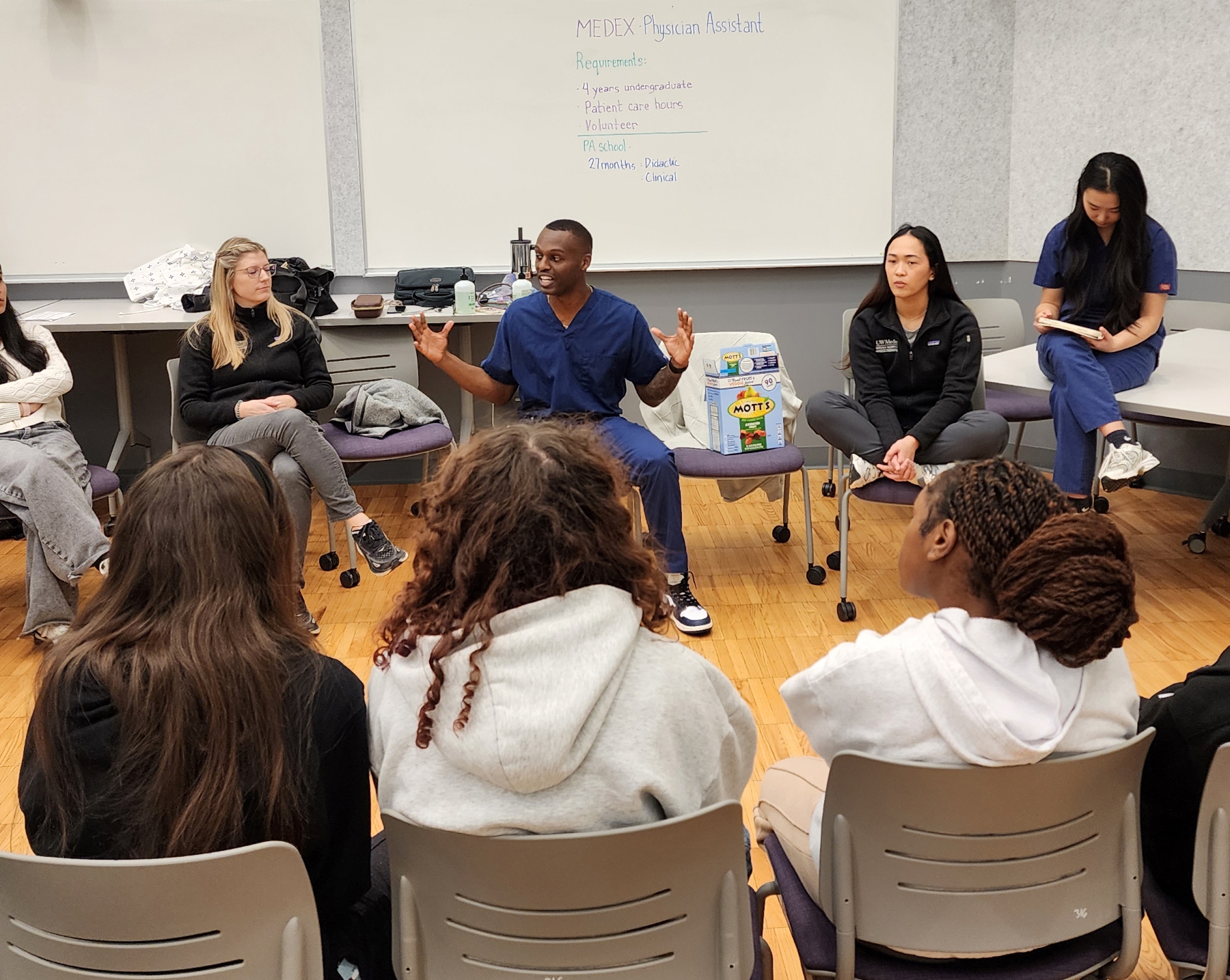
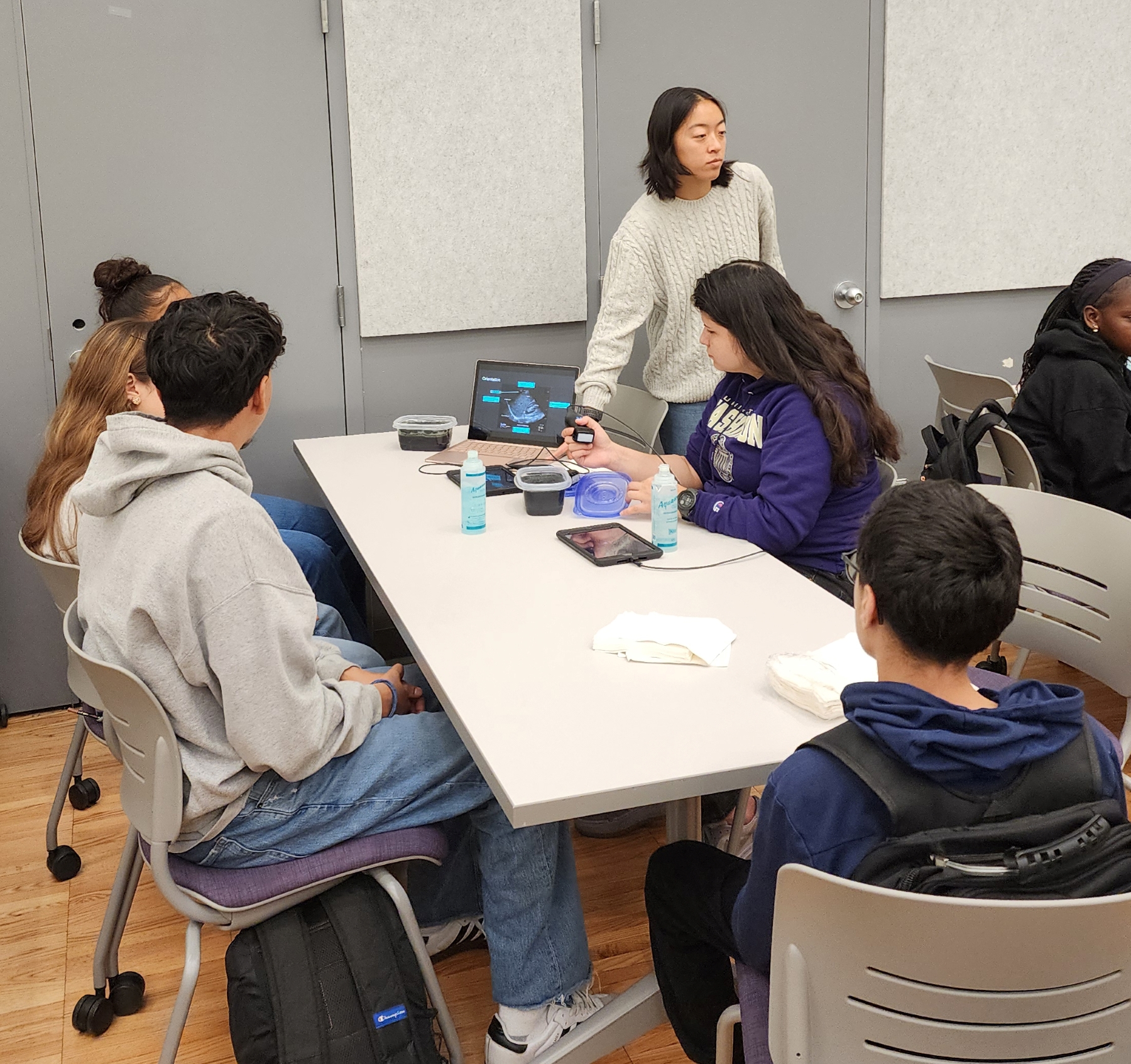
Throughout the day, students rotated through stations led by FMIG, MEDEX, and USIG. High schoolers practiced physical exam skills, experimented with ultrasound using Jell-O models, and learned how to test reflexes. The event concluded with a panel of PA and medical students who answered candid questions about academics, finances, stress, and work-life balance.
One moment stood out clearly for Guinto. “Seeing the high school students’ eyes light up when they heard their own heart sounds with a stethoscope,” she said. “It’s one thing to be told what a heartbeat sounds like, but seeing their excitement actually hearing their own or each other’s heartbeats was so fun.”
James was similarly struck by the students’ curiosity. “They were asking about research interests, finances, universities, gap years,” he said. “In high school I was just playing Fortnite and watching anime. It’s crazy how well they are being set up for success.”
Both students emphasize that opportunities like Healthcare Explorers Day are made possible through collaboration and support—from FMIG, the Washington Academy of Family Physicians, MEDEX, USIG, and countless volunteers. For students interested in participating in future events, Guinto and James recommend getting involved with FMIG and exploring all of the opportunities available through the UW Office of Healthcare Equity.