
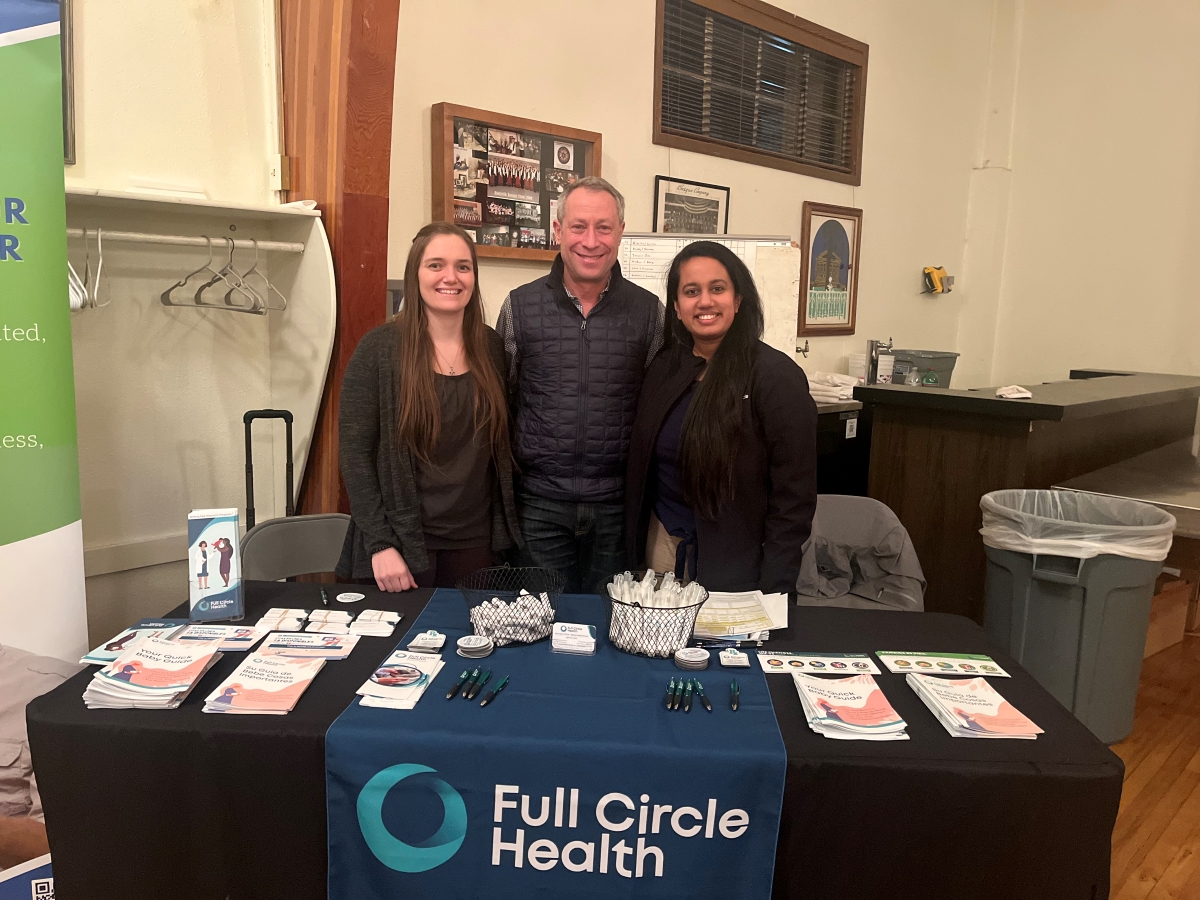
When leaders at Full Circle Health began exploring the idea of a pediatrics residency program in Boise, they weren’t just thinking about training physicians. They were thinking about access.
For decades, Idaho has faced a severe shortage of pediatricians. In 2019, a feasibility study led by Dr. Perry Brown revealed just how stark the gap was: Idaho ranked 53rd in the United States in pediatricians per 100,000 children—behind every state plus Washington DC, Puerto Rico and the US Virgin Islands.
Even more striking was the geographic reality. The region spanning from Seattle and Portland east to Minnesota, and from Salt Lake City north to the Canadian border, had no pediatrics residencies at all.
“That meant we were located in the largest pediatrics training desert in the United States,” Dr. Brown said.
That discovery helped catalyze the creation of the Pediatrics Residency of Idaho (PRI), a program designed not only to train pediatricians but to prepare them to serve rural and underserved communities across the region.
The foundation for PRI had been decades in the making. Full Circle Health first launched a family medicine residency in 1974. The Family Medicine Residency of Idaho–Boise recently celebrated its 50th anniversary, and over time Full Circle Health expanded to four family medicine residencies across the state. The organization also became a federally qualified health center and one of the nation’s first Teaching Health Centers—community health centers that integrate residency training into patient care.
Dr. Brown, who served as Director of Pediatric Education for the Boise family medicine residency starting in 2004, had long fielded questions about whether a pediatrics residency might be possible. For years, the answer was no; the region lacked the pediatric and subspecialty support required for accreditation.
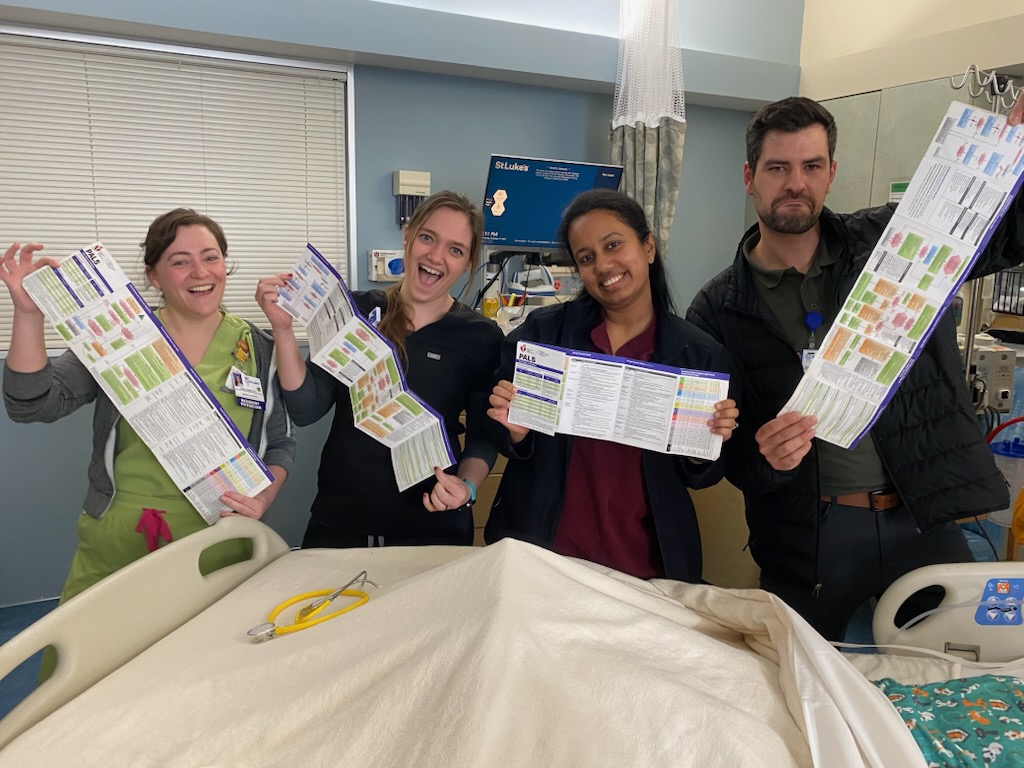
By 2019, however, Boise’s pediatric resources had grown substantially, including strong partnerships with St. Luke’s Children’s Hospital. The moment had arrived.
With Dr. Brown serving as Program Director, PRI became the first pediatrics residency program in the United States based out of a federally qualified health center and Teaching Health Center—an innovative model that combines full-spectrum pediatric training with a strong emphasis on primary care, rural health and advocacy.
Like all accredited residency programs, PRI follows the national standards required for pediatric training. But the program intentionally builds additional experiences around rural care and community advocacy.
Residents spend significant time in their primary care clinic, developing strong continuity relationships with patients and families. They also complete required rural rotations each year: two weeks during their first year of residency and four weeks in both their second and third years.
“These rotations provide outstanding experience and perspective,” Dr. Brown said.
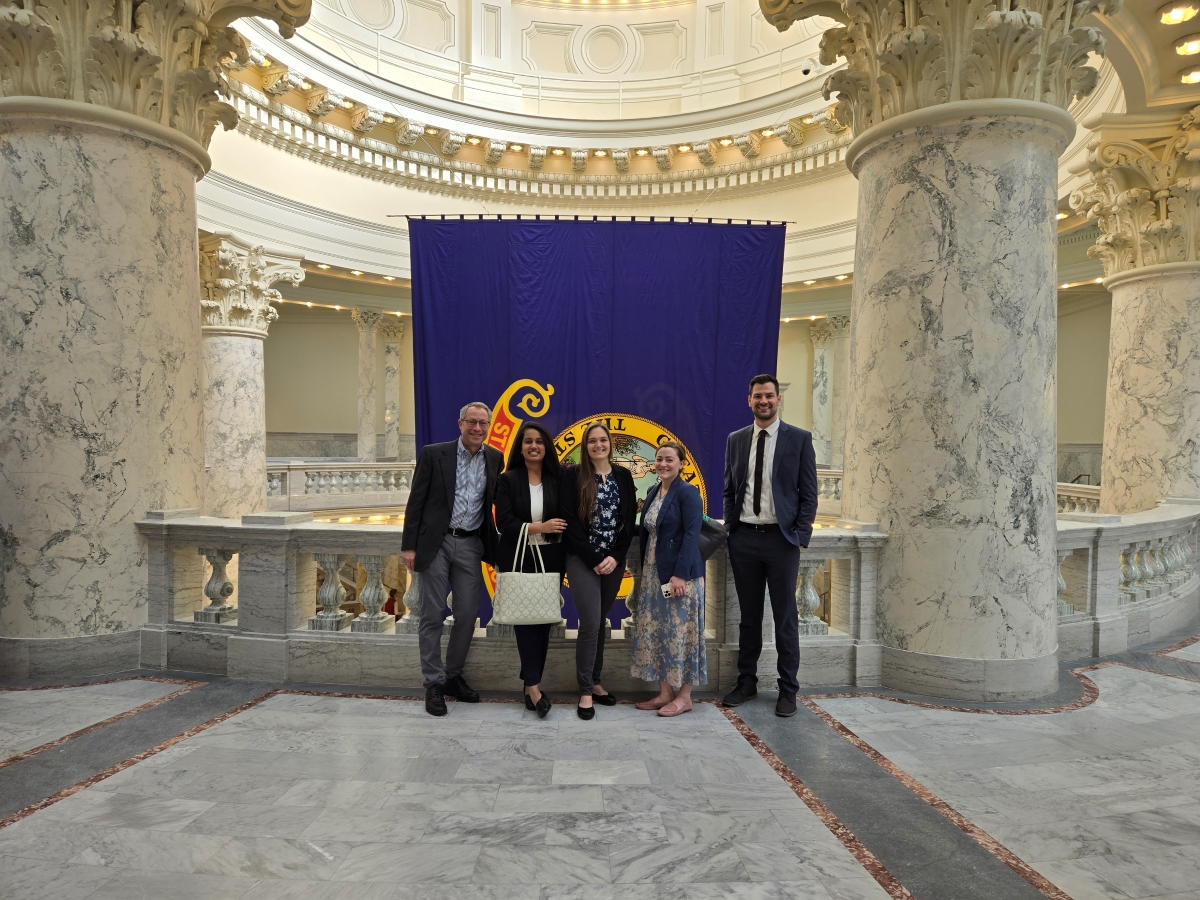
Residents also participate in Advocacy and Community Pediatrics rotations that introduce them to local resources, community partnerships and even legislative advocacy related to children’s health.
Together, those experiences help residents build cultural awareness, understand community health systems and grow into physicians prepared to serve a wide range of patient populations.
For Dr. Brown, the most rewarding part of the program is seeing that growth firsthand.
“My favorite part is the residents,” he said. “Watching them learn, watching the light bulbs go on, and seeing them grow from early first-year residents into outstanding pediatricians—it’s incredibly gratifying.”
That sense of development is visible in PRI’s first graduating class, which includes physicians heading into both rural practice and clinics serving underserved families.
Among them is Dr. Megan Marstaeller, a Montana WWAMI graduate and a member of PRI’s inaugural cohort. After residency, Dr. Marstaeller plans to return to Montana to practice in Hamilton, where she will become the community’s first dedicated pediatrician.
Her path reflects the shared mission of both WWAMI and PRI: preparing physicians to serve rural communities.
“A large part of my interest in rural communities was spurred from both WWAMI and PRI’s focus on rural training,” Dr. Marstaeller said.
She hopes to continue that connection by hosting UWSOM-WWAMI Rural Underserved Opportunities Program students once her practice is established.
Programs like PRI can play a powerful role in addressing regional workforce shortages. Physicians are more likely to practice in the areas where they train, particularly when their training includes rural and community-based experiences.
Dr. Brown hopes PRI’s success will inspire other programs across the country to adopt similar approaches.
“Rural pediatric access is so needed and relatively unavailable,” he said. “If our model can help stimulate other training programs to incorporate rural and community-focused experiences, that could have a meaningful national impact.”
For UWSOM-WWAMI students rotating through Idaho, PRI also provides an important window into how innovative residency programs can address healthcare gaps—while shaping the next generation of pediatricians committed to serving children wherever they live.
“I love working with both our third year pediatrics clerkship students, and our fourth year pediatrics sub-intern students. I love teaching them and really watching them learn—meaning I teach, and then watch them incorporate what we discussed,” said Dr. Brown. “It doesn’t matter if they are planning to go into pediatrics—the experience and knowledge of pediatrics is beneficial in most specialties. Though I can’t promise not to gently try to promote pediatrics as a great career choice!”