
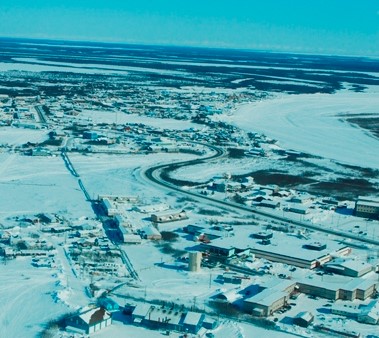
What does it take to practice medicine where temperatures drop below minus 40 degrees during the winter, medevac flights are delayed by weather, and patients may travel by canoe to reach care?
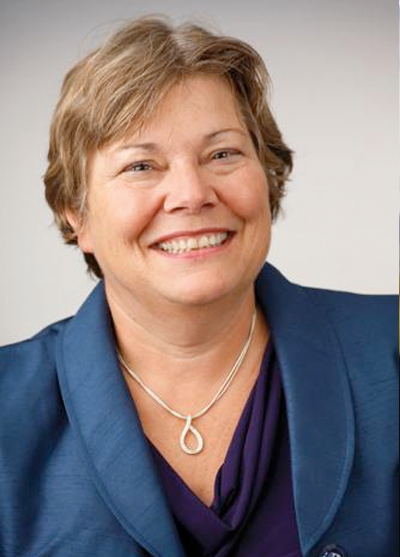
Those questions were at the heart of “The Art and Science of Arctic Medicine,” a recent CLIME Conversation Café and CLIMEcast Live Zoom discussion led by Alaska WWAMI Assistant Clinical Dean Dr. Barb Doty. The session explored the realities of practicing medicine in remote Arctic communities and how medical education can better prepare future physicians for those challenges.
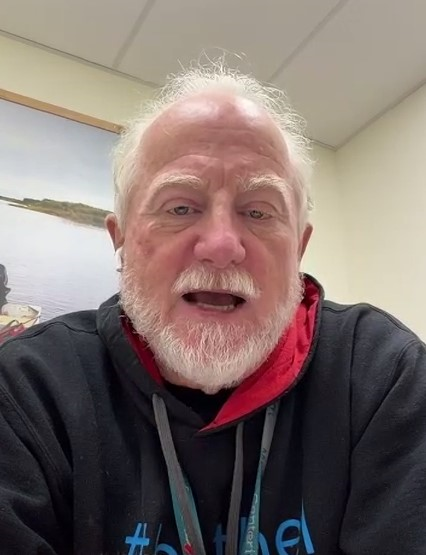
Dr. Doty, a longtime family physician in Wasilla and a WWAMI graduate, invited Bethel OB-GYN Dr. David Compton to share firsthand stories from rural Alaska practice. Dr. Compton, the only OB-GYN in Bethel, described the unpredictability of medicine in the Yukon-Kuskokwim Delta, where environmental conditions, limited resources and vast distances shape everyday care.
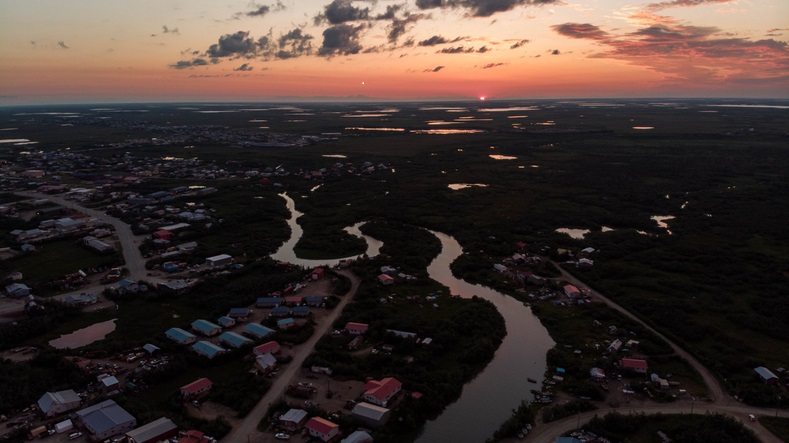
One patient, nearing labor during spring breakup on the Kuskokwim River, faced flooding so severe she would “have to take a canoe to get out of her house, get to her car, to get to the hospital, to have her
baby,” Dr. Compton said. Stories like these illustrated how geography, weather and infrastructure become part of everyday medical decision-making in rural Alaska.
Dr. Compton also shared examples of high-stakes emergencies that required rapid decision-making with limited resources, highlighting the realities physicians face in remote practice. Yet despite the intensity of the work, he emphasized what has kept him in Bethel for 16 years.
“The joy is in the people,” Dr. Compton said. “They’re so happy to have us take care of them. They’re just wonderful to take care of.”
Throughout the discussion, Dr. Doty emphasized that preparing physicians for Arctic medicine involves much more than clinical training. Physicians must learn cultural humility, adaptability and
resilience while understanding the unique needs of the communities they serve.
“There’s over 220 different tribal groups in Alaska,” Dr. Doty said, noting that communication styles and cultural expectations can vary significantly across communities.
Dr. Doty explained that Alaska WWAMI and the Alaska Family Medicine Residency have long focused on exposing learners early to remote and rural settings. Students gain hands-on experience in communities across Alaska while learning from local mentors and healthcare teams.
“The components for a training program really are understanding the cultural and the demands of that practice, both from a didactic point of view, and more importantly, from a learned experience point of view,” Dr. Doty said.
The conversation also explored how technology, including telemedicine, virtual emergency support and AI tools, could
improve healthcare access in remote regions. Still, Dr. Doty stressed that the heart of Arctic medicine remains human connection.
“I fell in love with practice in remote settings because of the challenges, the opportunities, the intellectual creativity,” Dr. Doty said. “If you get the chance, I encourage you all to pull [these physicians] aside and talk to them. They’re the experts. And they can tell you why this is the best career in the world.”