
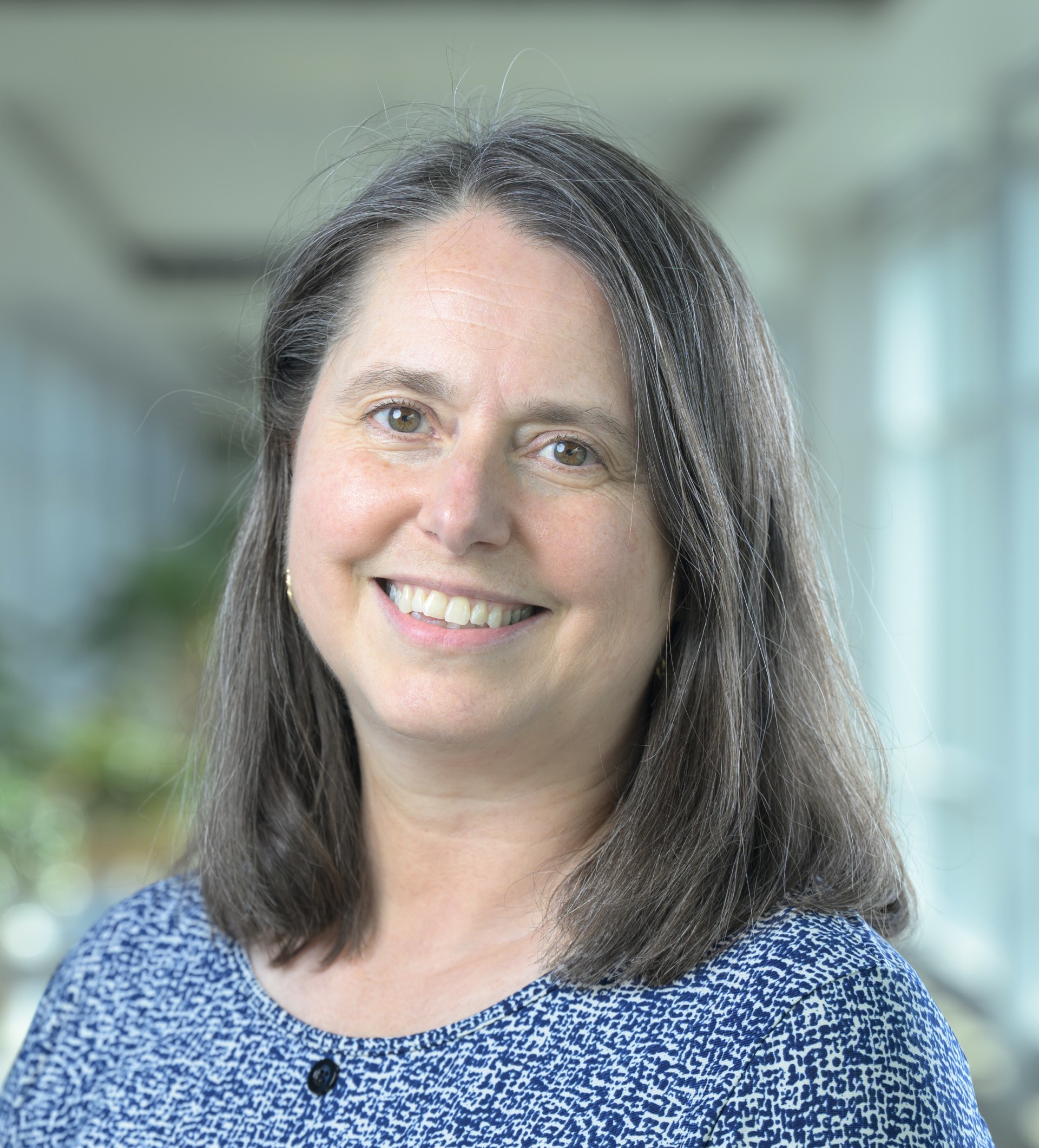
 For first-year medical students, the brain can feel like both a marvel and a mystery.
In Alaska WWAMI’s Foundations block on Mind, Brain & Behavior (MBB), Dr. Catherine Kilby helps bring that complexity into focus, guiding students through the biological and psychological underpinnings of behavior while grounding each concept in patient experience.
“Neurology and Psychiatry have been shrouded in mystery in the past as the brain is difficult to study,” Kilby said. “However, our knowledge of brain chemistry and function has grown tremendously over the past several years.”
With that growth comes new opportunity.
“It’s exciting to be able to share this information with the students and teach them how to treat these processes, many of which did not have many treatment options in the past,” she said. “We can now better assist our patients in leading healthier lives.”
The MBB curriculum emphasizes case-based learning, using clinical vignettes to connect foundational science with real-world care. Students also hear directly from patients living with neurological and behavioral health conditions.
“Students have found these sessions very impactful,” Kilby said. “They make the diseases ‘real’ to the students and have challenged students to also consider the overall impact these diagnoses have on patients’ lives beyond just what medication to prescribe.”
Those experiences reinforce a central message: treating the whole patient.
 “There is also a greater emphasis on the interaction between psychological health and physical health and a recognition that these are linked,” Kilby said. “It is important to treat the whole patient and not just an isolated disease process.”
That perspective is critical early in training.
“Over time, we have realized that mental health impacts physical health and vice versa,” she said. “It’s important for students to learn this early in their training so they can be prepared to treat not just the physical ailments of the patient but understand how this impacts all different parts of a patient’s life.”
For Kilby, those early teaching moments carry particular significance, offering a chance to shape how students think about medicine from the very start.
“Teaching WWAMI students is very rewarding,” she said. “I have found it to be very energizing to be around the students who are so interested in learning about medicine and enjoy seeing some of the difficult concepts ‘click’.”
She also sees the program’s long-term impact on the state.
“Students graduating from the Alaska WWAMI program are much more likely to practice in Alaska in the future,” Kilby said. “This helps to ensure we are able to continue to care for Alaskans for generations to come.”