
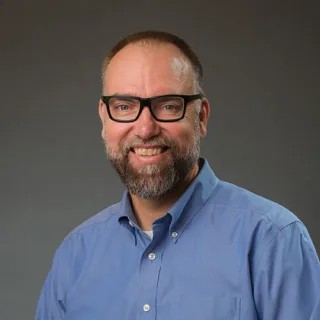
In communities across Alaska, medical education often depends on physicians who are willing to teach, mentor, and model compassionate care in real-world settings. This year, one of those educators is being recognized for his impact. Dr. Don Schneider, a Juneau-based family medicine physician at Valley Medical Care, is the recipient of the WRITE Excellence in Teaching Award through the University of Washington School of Medicine WWAMI program.
 The WRITE (WWAMI Rural Integrated Training Experience) program places medical students in longitudinal, community-based settings across the region. Preceptors like Dr. Schneider provide hands-on learning that prepares students for practice in rural and underserved communities. The WRITE Excellence in Teaching Award recognizes educators who demonstrate outstanding mentorship, innovation, and commitment to student learning.
Dr. Schneider’s teaching reflects that standard. He is known for creating a learning environment where students feel supported while building practical skills and clinical confidence.
As one WRITE student explained, “I am nominating Dr. Schneider because he was an excellent teacher and mentor throughout my WRITE experience. He is incredibly humble, patient and kind.”
That approach comes through in his focus on experiential learning.
“I am extremely thankful for his hands-on obstetrical teaching,” the student added.
One particular example stands out: “One of my favorite memories with Dr. Schneider is when he taught me how to rupture an amniotic sac with an amnihook.”
Rather than relying on demonstration alone, Dr. Schneider created a simple, effective model using everyday materials.
“He created an amniotic sac out of a latex glove water balloon,” the nominator said, “placed it in the bottom of a coffee cup, then carved a cervix out of an apple and placed it on top of the water balloon amniotic sac. This is one of many examples of Dr. Schneider’s ingenuity in teaching clinical skills that I will be forever grateful for.”
Educators like Dr. Schneider play a vital role across the WWAMI region, shaping not only clinical skills but also the confidence and adaptability students carry into practice. His recognition underscores the lasting impact of dedicated, community-based teaching.