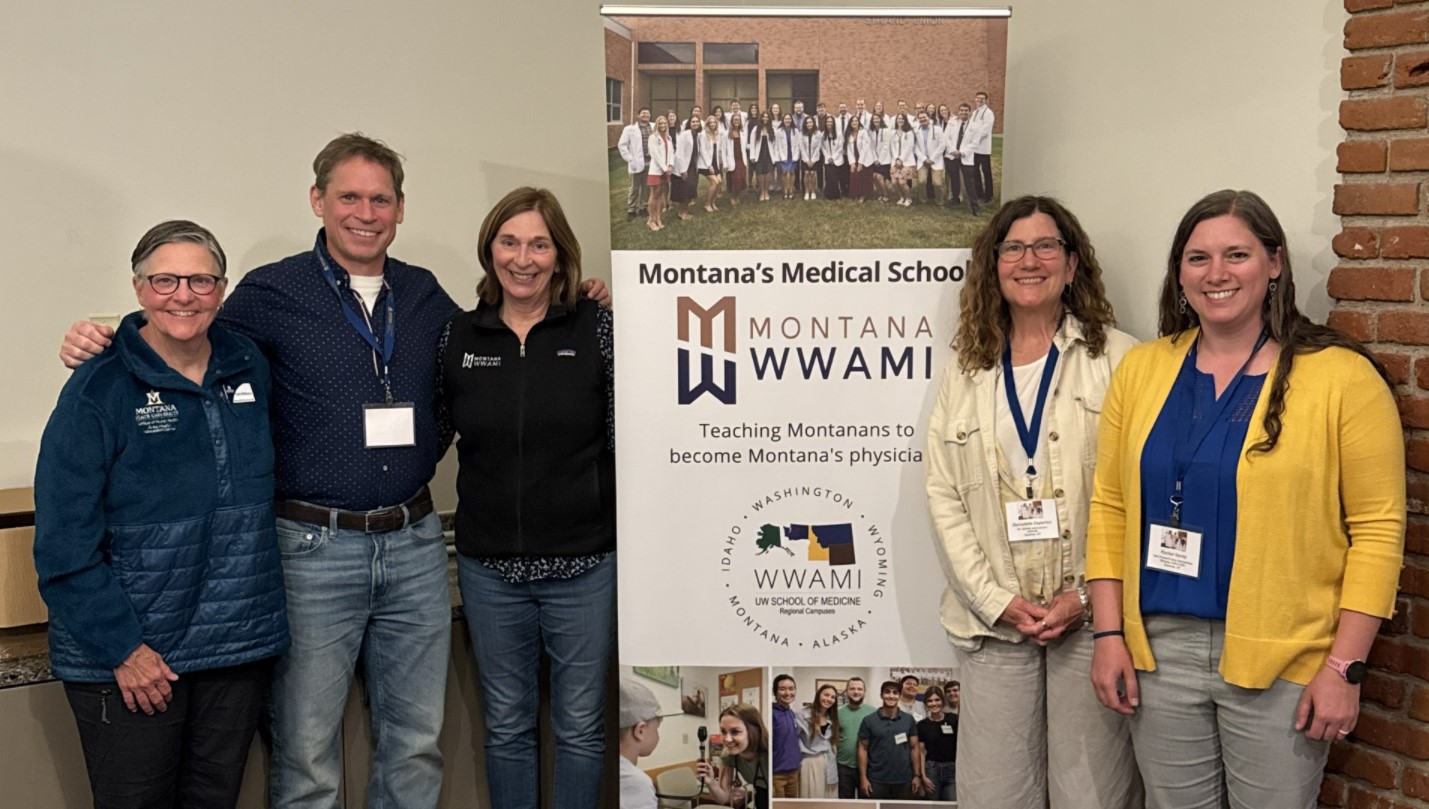
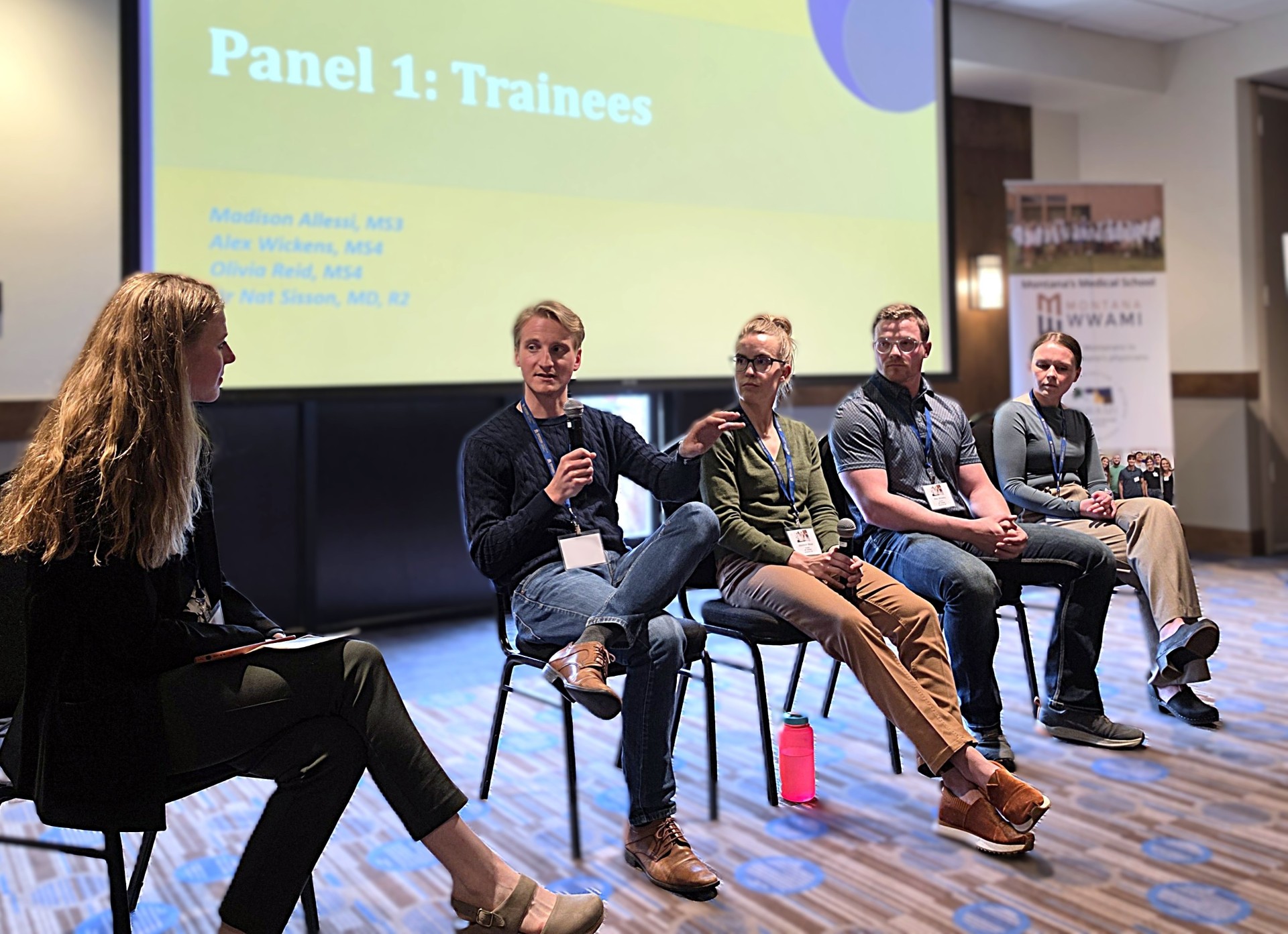
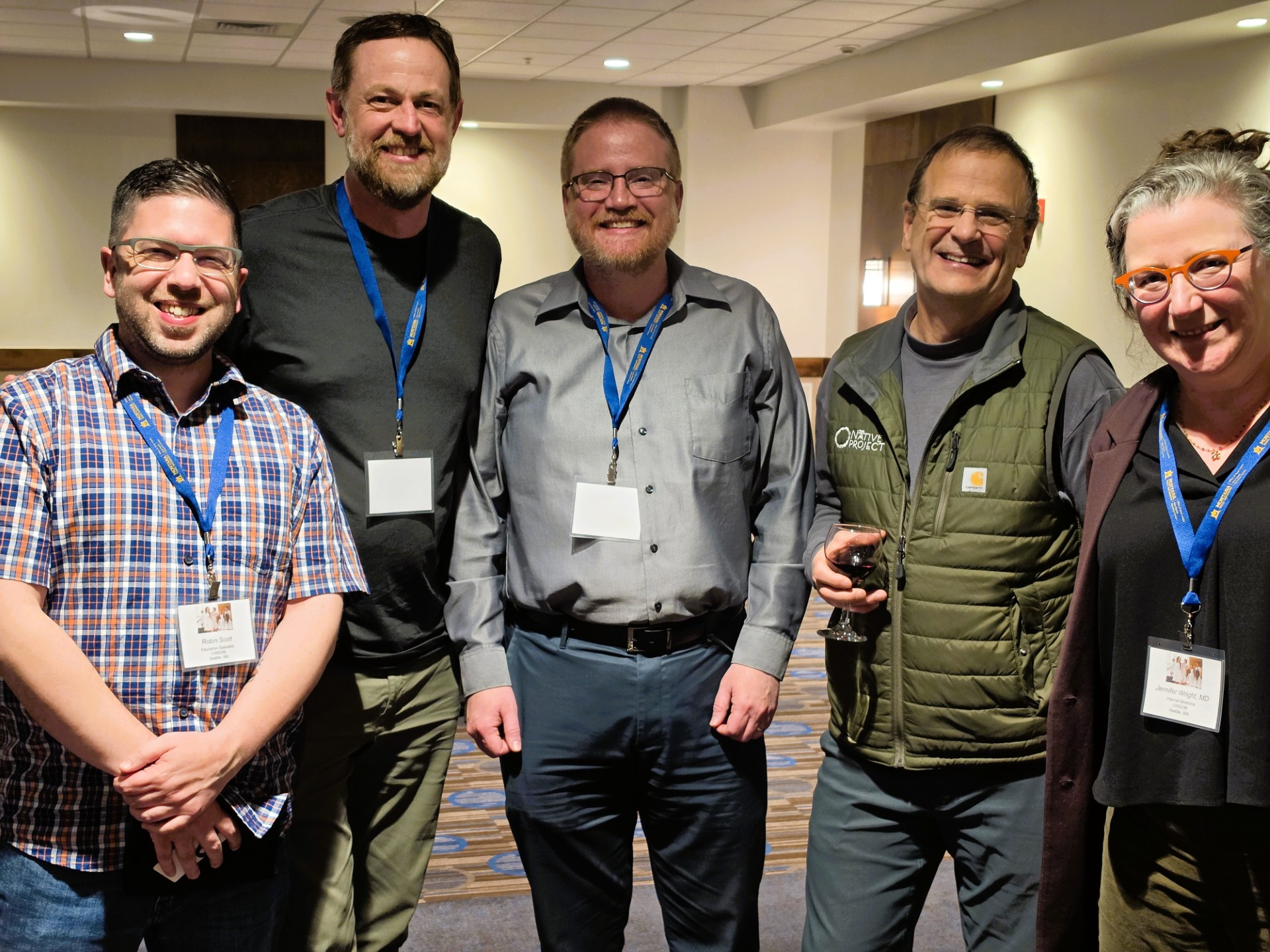
 Energy, innovation, and a shared commitment to teaching excellence defined the 2026 Montana WWAMI Faculty Development Conference at Fairmont Hot Springs in Anaconda. Bringing together educators from across the WWAMI region, the weekend delivered a dynamic mix of ideas, practical tools, and meaningful connection.
The conference opened with a forward-looking session on the future of medical training. Dr. Katie Brite Hillis, Associate Dean of Community Engagement at the University of Arizona College of Medicine–Phoenix, explored how three-year MD programs can help address physician workforce shortages. She highlighted key differences from traditional four-year models, including impacts on learner well-being, continuity of care, 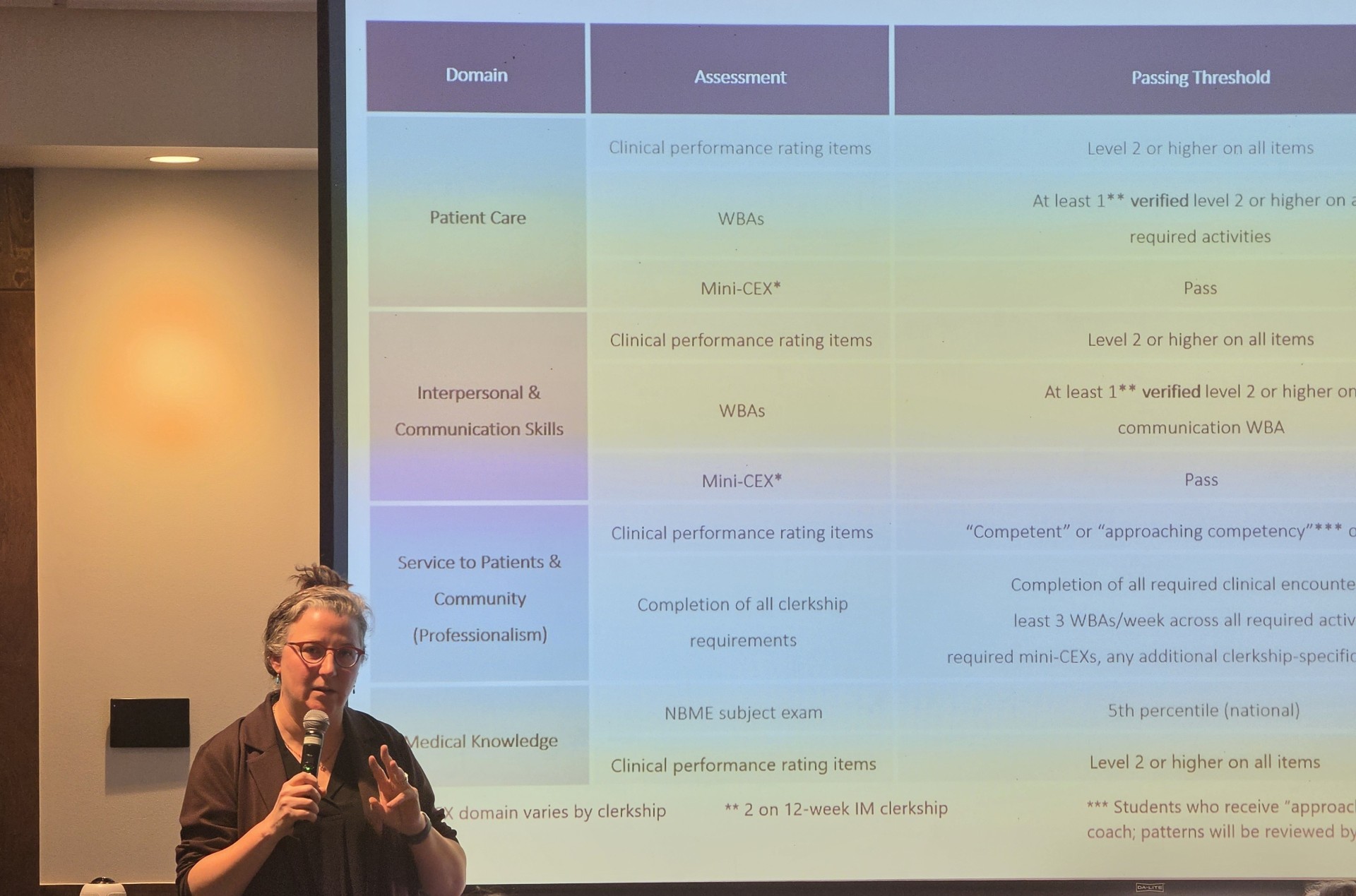 and educational outcomes while encouraging faculty to consider how similar approaches could meet local workforce needs.
A major focus of the conference was the shift toward competency-based assessment. Dr. Jennifer Wright (Internal Medicine), Toby Keys, MPH (Family Medicine), and Dr. Erikka Allhusen (Pediatrics) outlined how their departments are using Entrustable Professional Activities (EPAs) and Workplace-Based Assessments (WBAs) within a pass/fail framework, clarifying expectations for evaluating learner progress. Dr. Chris Knight (Internal Medicine) shared practical strategies for delivering concise, effective feedback in clinical settings.
Artificial intelligence in medicine and clinical teaching emerged as one of the most engaging topics. Sessions led by Dr.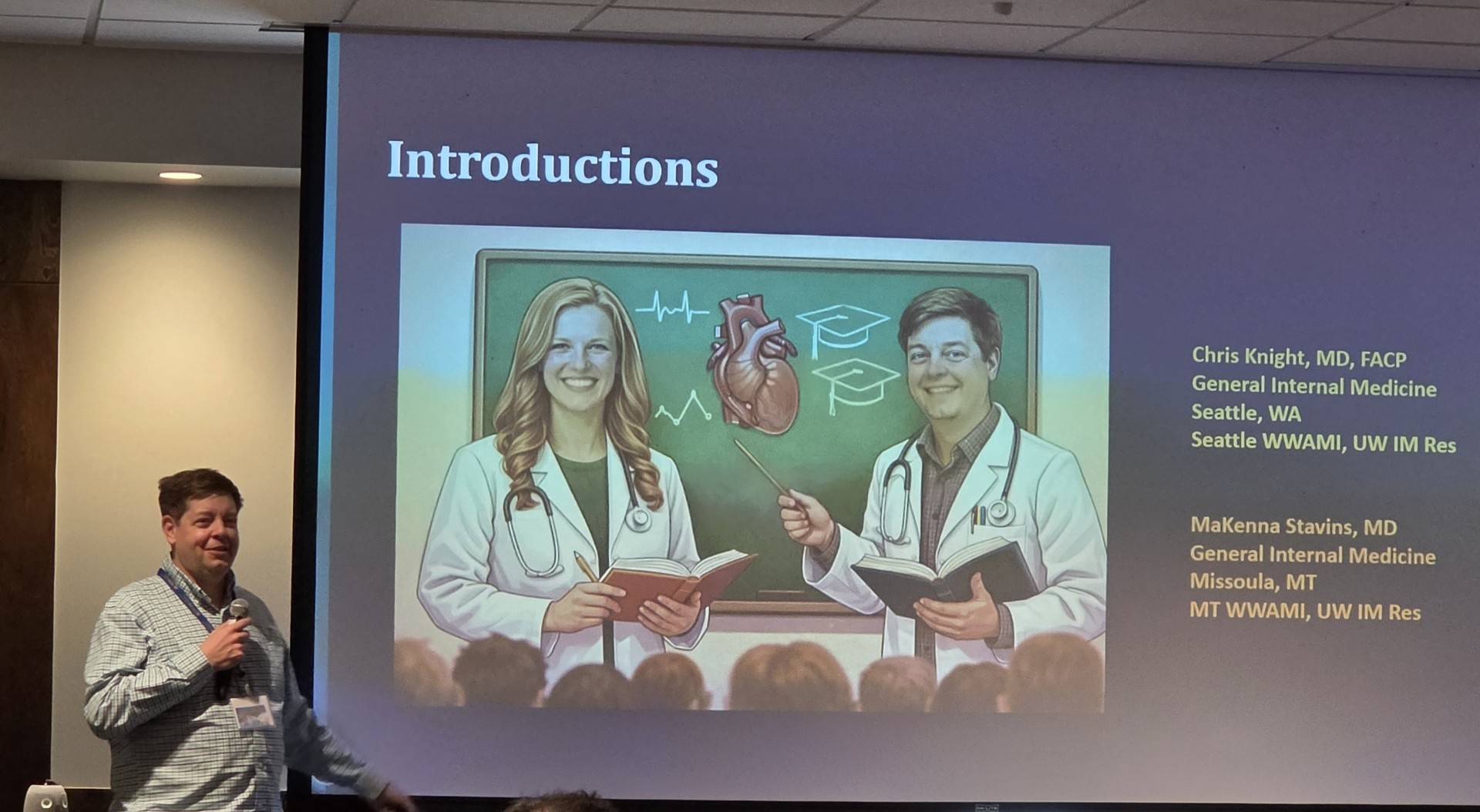 Chris Knight and Dr. MaKenna Stavins (Internal Medicine) explored how AI is shaping both clinical practice and education. They examined current applications, future implications, and the balance between developing strong physicians and effectively using AI tools, while addressing concerns around accuracy and overreliance.
Panel discussions brought diverse perspectives into the conversation. Dr. Stavins led a session with medical students and a resident, who shared how AI is influencing their training and when they choose to rely on their own skills instead. A second panel, led by Dr. Chris Jons, featured experienced clinicians discussing how they are adapting to AI, supervising learners, and maintaining strong clinical reasoning in an evolving landscape.
 The conference ended with a Sunday session led by assistant deans, Dr. Brant Schumaker (MT WWAMI Foundations) and Dr. Jay Erickson (MT WWAMI Clinical Phase), who discussed “Montana Strong,” examining the curriculum enhancements and support strategies in place for students during their first 18 months in the program.
Throughout the weekend, one message stood out: Montana WWAMI faculty are embracing change while staying grounded in what matters most—preparing the next generation of physicians.