
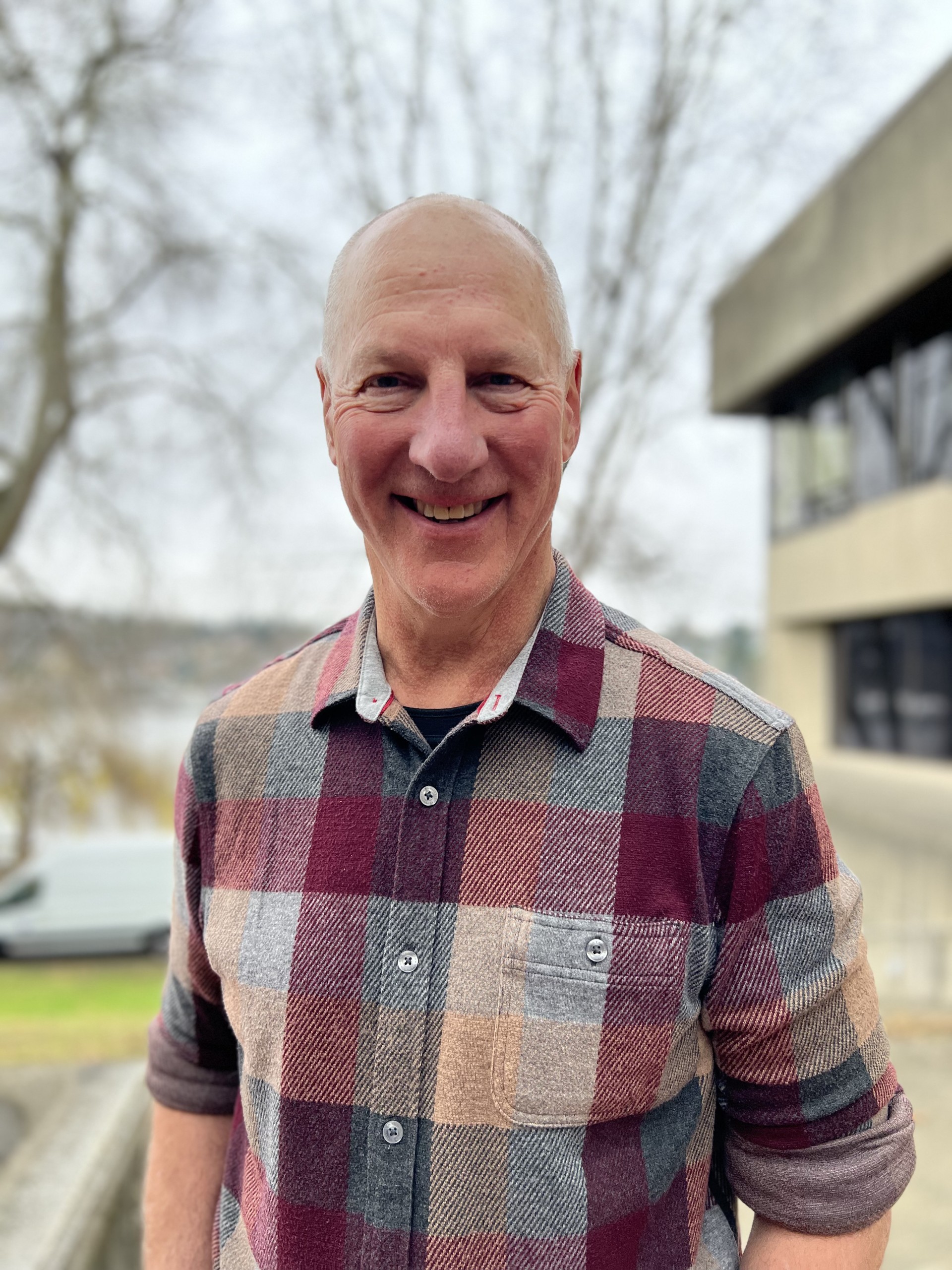
After nine years as Idaho WWAMI’s Assistant Clinical Dean, and decades of dedicated service to rural medicine and medical education, Dr. Frank Batcha is retiring this month. He leaves behind a legacy defined by mentorship, community connection, and a deep commitment to training the next generation of physicians.
Reflecting on his time in the role, Dr. Batcha said the most meaningful aspects center on the people who shaped his experience.
“While it is difficult to pinpoint a single accomplishment, the most meaningful part of my job has been to work with such amazing students who are so dedicated to their profession and to the people who they are serving,” he said. “I have also been so gratified to be able to work with colleagues who are so committed to providing the best medical education possible for our Idaho WWAMI students and are driven by the mission to help produce physicians to care for the people of Idaho.”
During his tenure, Dr. Batcha also helped strengthen WWAMI’s clinical training network in eastern Idaho. He expanded opportunities for students to gain hands-on experience in rural communities, an area that has long been central to his work. His connection to the Idaho WWAMI program stretches back even further, to the early days of the WRITE (WWAMI Rural Integrated Training Experience) program in the mid-1990s, when he served as a site director in the Wood River Valley.
Over the years, he has seen firsthand the profound impact rural training can have on doctors in training.
“Students invariably regard WRITE as the best experience they have during medical school,” he said.
Follow-up surveys show participants are more than twice as likely to go on to practice in rural communities. He credits that impact to the immersive nature of the program, including close mentorship, longitudinal patient relationships, and the opportunity to experience the full scope of care in rural settings.
“It has been my privilege to be able to reorganize WRITE so that students are able to stay longer in their communities and to have a more encompassing experience,” he added, noting the contributions of colleagues who helped shape the program’s evolution.
Former students say those experiences, and Dr. Batcha’s mentorship, have had a lasting influence on their careers.
“Dr. Batcha exemplifies in a true sense what it means to be a physician deeply embedded in his community,” said E22 alumna Alexis Ericsson. “Beyond his investment in their healthcare, he knew about their families, jobs, pets, hobbies, which can only come from many intentional conversations with them.”
E07 alumna Alicia Carrasco said her WRITE experience had an enduring impact on her career path.
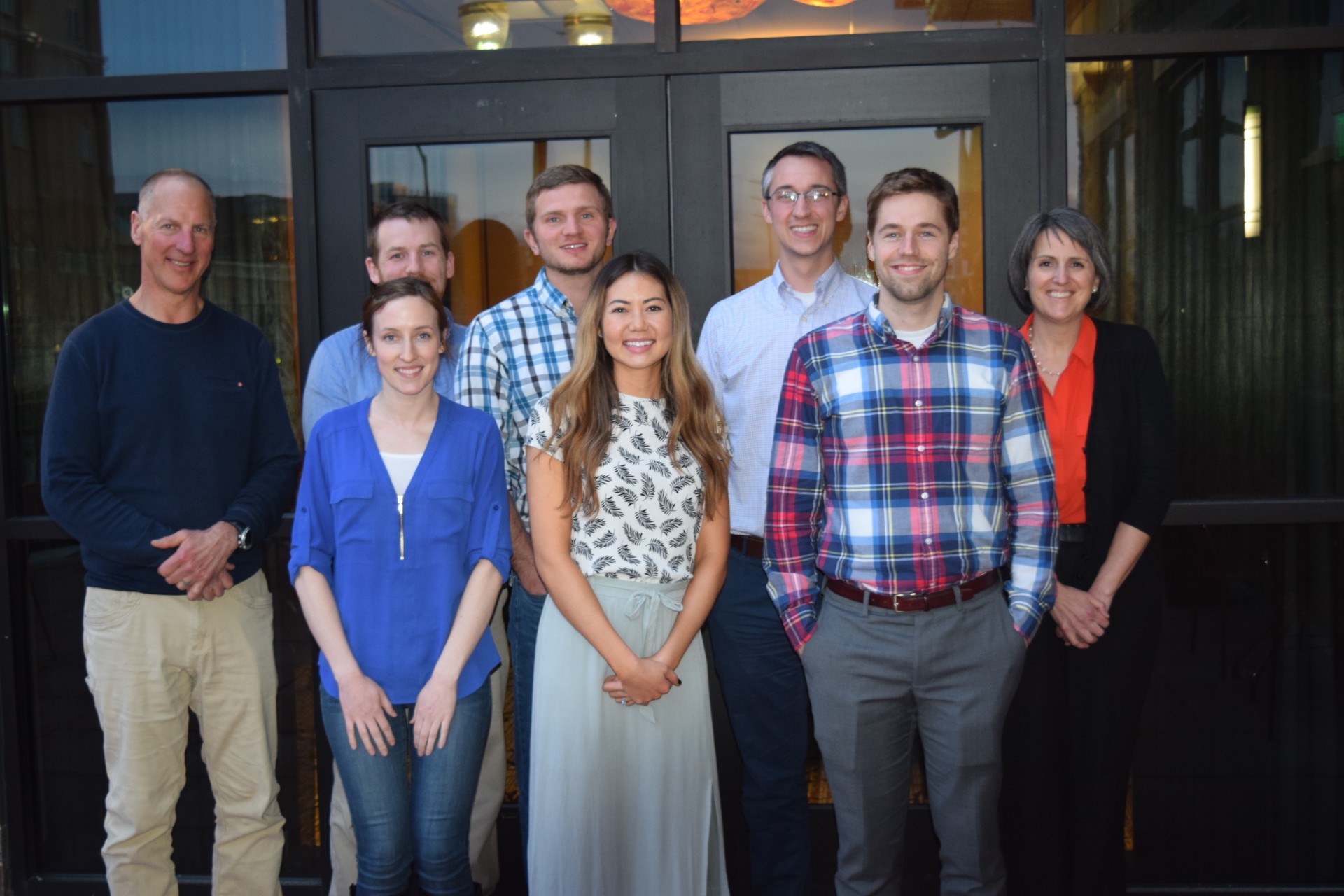
“I was an out-of-stater and went away for residency, but my experience with WRITE made me want to come back and work in Idaho doing primary care,” she added.
She later built a career in medical education and modeled many of her own teaching approaches after what she learned from Dr. Batcha.
For others, that influence began even earlier.
“Dr. Batcha was my PCP as a kid until I left for college,” E20 alumnus Dr. Rory Cole said. “He has mentored me throughout my entire life, and I am extremely grateful for all that he has done for me. I ended up in family medicine residency in large part because of his mentorships.”
Other students echoed similar sentiments.
“He truly embodies a love for medicine, a passion for teaching, and a deep commitment to serving his community,” said E23 alumnus Patrick Mark. “I am profoundly grateful for the mentorship he has given me and for the example he sets every day.”
“I truly do not think I would be here at UW without his initial encouragement and his continued belief in me,” E21 student Adolfo Carmona added. “Throughout the entire process, he has been there for me—steady, caring, and genuinely invested in my growth.”
E16 alumnus Adolfo Carmona said Dr. Batcha was always teaching, no matter where he was or what he was doing.
“His most impactful lesson came in the form of a simple question: why do people pay physicians? After I struggled through a long-winded answer, Dr. Batcha said, “It’s simple. It’s our knowledge.” I have frequently thought about that conversation throughout my medical training. It continues to motivate me to learn as much as possible.”
Over the course of his career, Dr. Batcha has emphasized not only clinical excellence, but also the value of community engagement.
“I cannot overstate the joy that I have experienced living and working in a rural community,” he said. “I would advise students who are contemplating rural practice to embrace fully the community and the other opportunities a rural community possesses, and it will come back to you manyfold.”
That sense of place has been a defining feature of his career, from his early days in the Wood River Valley to his leadership within Idaho WWAMI. It is also what he plans to lean into more fully in retirement.
“I’m going to do what I do now, only more,” he said. “My dogs will appreciate not having to share me during hunting season. My wife and I will be able to take more bike trips (or other trips for that matter), more skiing, more hiking, more fishing, and I’m sure I’ll be assigned more projects around the house.”
As he steps away from his formal role, Dr. Batcha leaves behind a strengthened program and a generation of physicians shaped by his powerful example. He will continue to support Idaho WWAMI as chair of the Idaho WWAMI Advisory Board. He will be fondly remembered for his approach to medicine rooted in curiosity, compassion, and a deep connection to the communities he has served.