

Each March, Colorectal Cancer Awareness Month serves as a reminder that early detection saves lives. While screening and prevention efforts have made real progress, new trends are reshaping who is most affected by colorectal cancer—and why staying up to date on screening has never been more important.
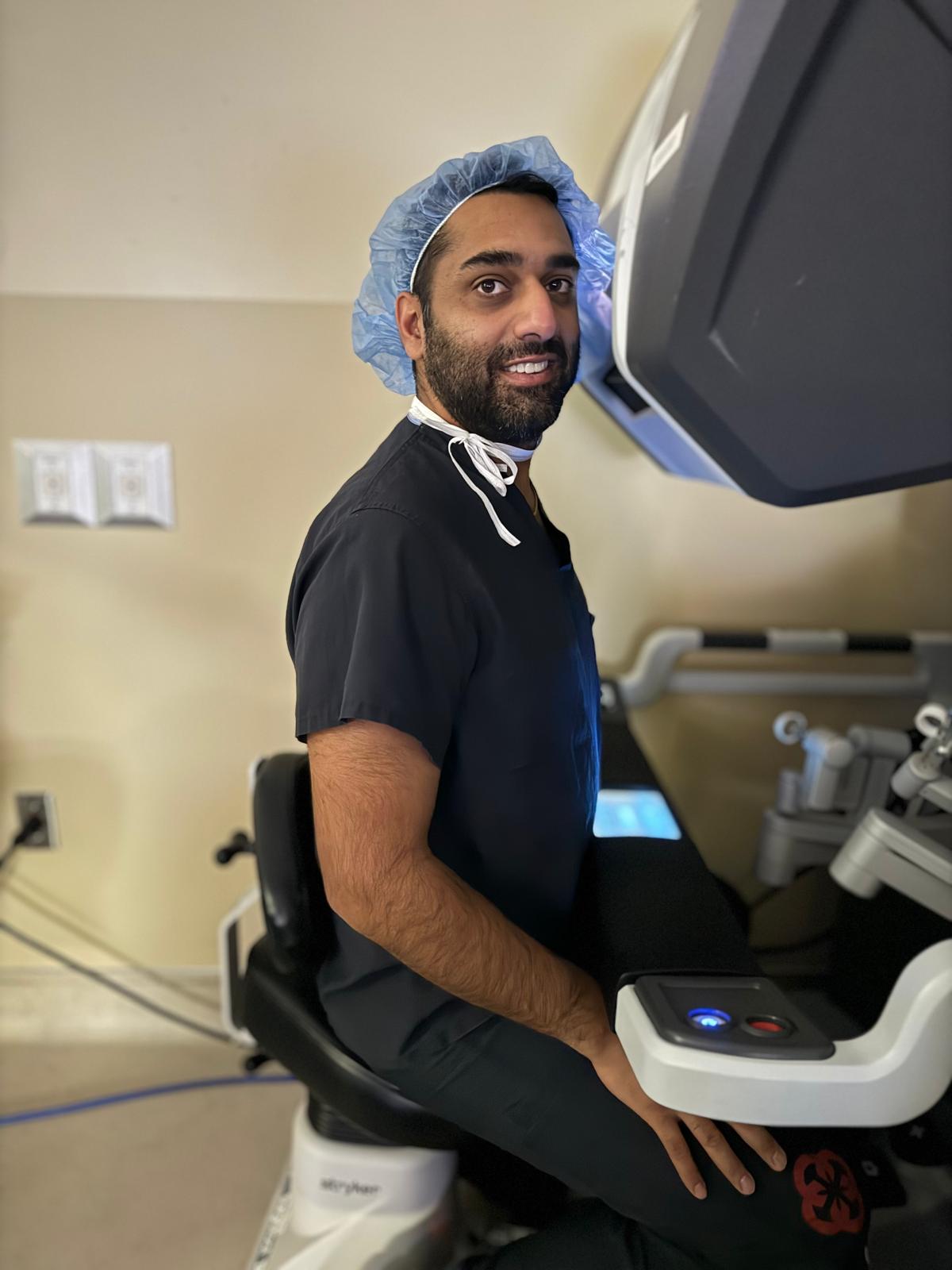
According to Dr. Sheev Dattani, a board-certified minimally invasive and robotic colorectal surgeon and site director for surgical education for Idaho WWAMI, colorectal cancer patterns are shifting in ways many people may not realize.
“We’re seeing a real split in the trends,” Dr. Dattani explains. “Overall, colorectal cancer rates have stabilized or even declined slightly in older adults—largely thanks to improved screening. But incidence and mortality are still climbing in adults under 65, especially people in their 40s and younger.”
Nearly half of new colorectal cancer diagnoses now occur in adults under 65—a significant change compared with previous decades. Rectal cancers are also making up a larger share of these cases.
One challenge is that early-onset colorectal cancer is often diagnosed later, because symptoms can be dismissed as something less serious.
“In younger adults, things like rectal bleeding are sometimes brushed off as hemorrhoids,” Dr. Dattani says. “That can delay diagnosis until the disease is more advanced.”
When Should Colorectal Cancer Screenings Start?
To address these changing trends, major medical guidelines—including those from the U.S. Preventive Services Task Force and the American Cancer Society—now recommend that average-risk adults begin colorectal cancer screening at age 45 and continue through age 75 if they are in good health.
For individuals with additional risk factors—such as a family history of colorectal cancer, prior polyps, or inflammatory bowel disease—screening may need to begin earlier and occur more frequently.
“The key takeaway is that starting screening at 45 is saving lives,” Dr. Dattani says. “But we need more people—especially younger adults—to actually follow through.”
Understanding the Different Screening Options
 Many people assume screening means a colonoscopy, but several effective options are available.
A colonoscopy, typically performed every 10 years for average-risk adults, allows physicians to examine the entire colon and remove precancerous polyps during the same procedure—making it both a screening and prevention tool.
For those looking for less invasive options, stool-based tests can also play an important role:
- FIT (fecal immunochemical test) – a yearly at-home test that checks for hidden blood in the stool
- Multitarget stool DNA testing (such as Cologuard) – performed every three years and designed to detect both blood and DNA changes associated with colorectal cancer
“These tests make screening much more accessible,” Dr. Dattani says. “The best test is the one you’ll actually complete. If a stool test comes back positive, you’ll still need a follow-up colonoscopy, but they’re a great way to get people started.”
Symptoms to Look Out For
Although screening is designed to detect cancer before symptoms appear, certain warning signs should prompt medical attention, particularly if they persist for more than a couple of weeks.
These include:
- Blood in or on the stool (bright red or dark)
- Persistent changes in bowel habits, such as diarrhea, constipation, or narrower stools
- Ongoing abdominal pain or cramping
- A sensation that the bowel does not empty completely
- Unexplained fatigue
- Unintentional weight loss
“These symptoms can have many benign causes,” Dr. Dattani says. “But if they’re persistent—especially in people under 50—it’s important to get checked.”
The Biggest Myths About Colorectal Cancer
Several common misconceptions can prevent people from seeking screening or medical evaluation.
One of the most common is the belief that colorectal cancer only affects older adults.
“People often think, ‘I’m too young for this,’” Dr. Dattani says. “But colorectal cancer is rising quickly in people under 50 and is now one of the leading causes of cancer death in that age group.”
Another misconception is that screening isn’t necessary without symptoms. In reality, many early cancers—and most precancerous polyps—cause no symptoms at all.
“That’s exactly why screening matters,” he says.
Protecting Your Colorectal Health
Alongside screening, lifestyle choices also play an important role in colorectal health. Eating fiber-rich foods, staying physically active, maintaining a healthy weight, limiting alcohol, avoiding smoking, and reducing processed and red meat intake can all help lower risk.
Still, Dr. Dattani emphasizes that screening remains the single most powerful preventive tool.
“Screening doesn’t just detect cancer—it can prevent it by finding and removing polyps before they become cancerous,” he says.
During Colorectal Cancer Awareness Month, he encourages people to take one simple step: check whether they are due for screening.
“If you’re 45 or older—or younger with higher risk—schedule your screening,” Dr. Dattani says. “Don’t wait for symptoms. That one action could save your life.”