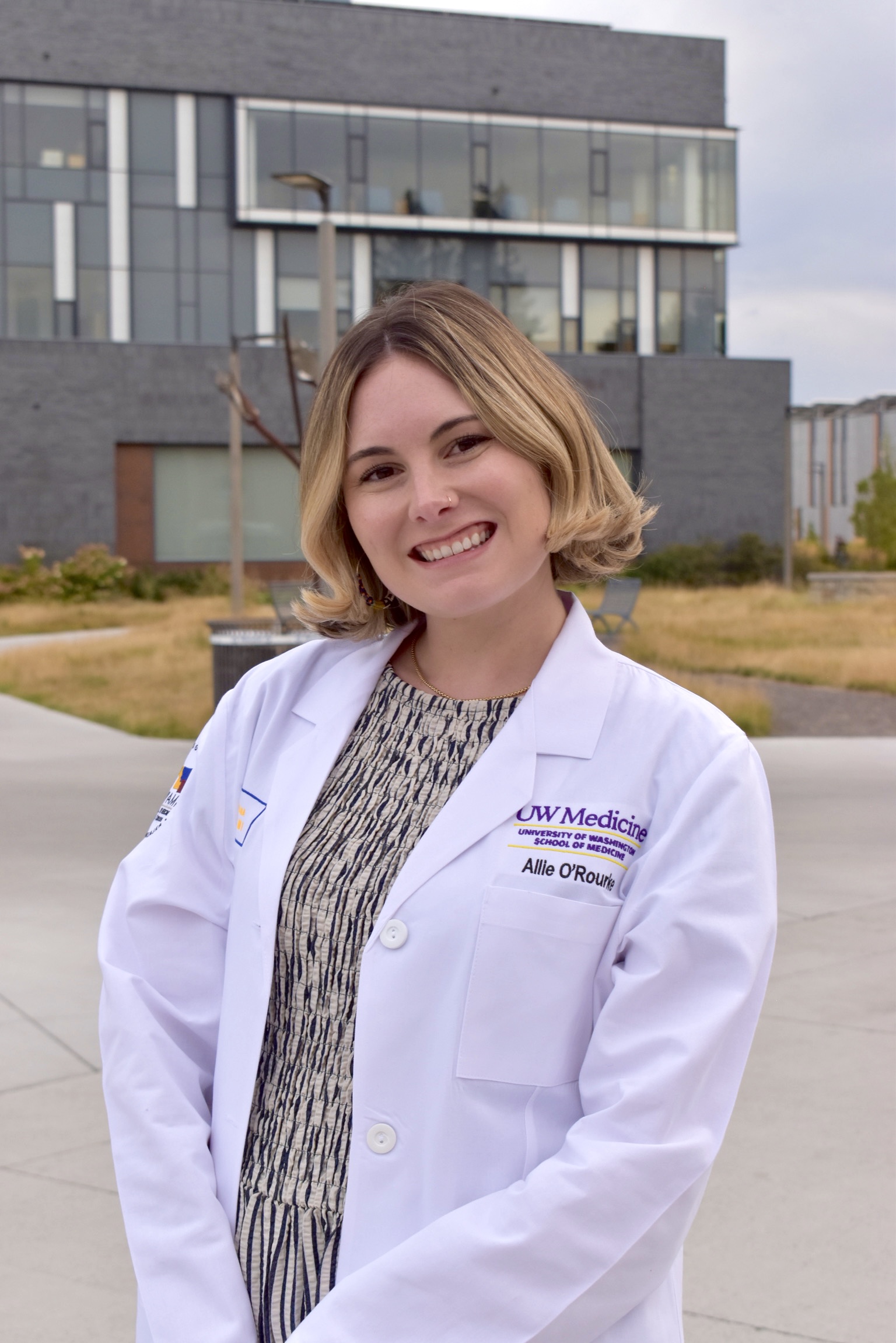
For Allie O’Rourke, E26, learning to care for patients has meant learning to listen.
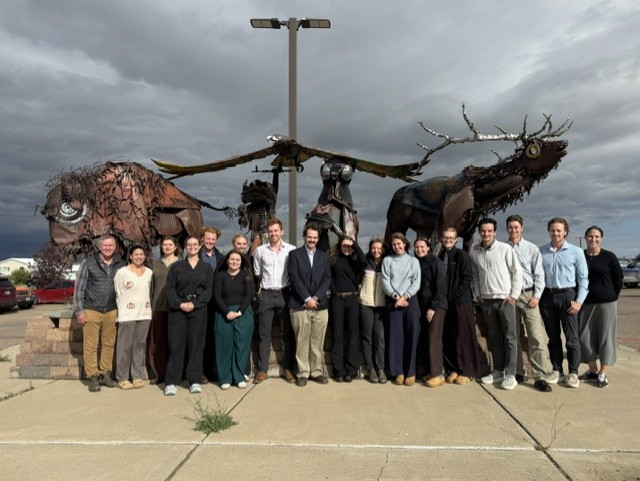
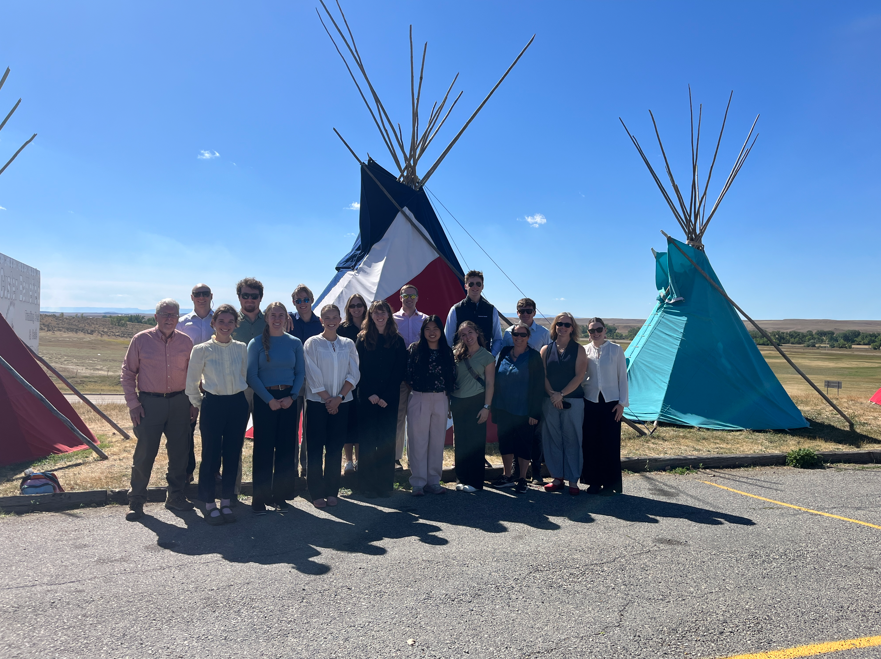
A first-year Montana WWAMI student and former nurse, O’Rourke brought seven years of healthcare experience with her when she began medical school. As part of the American Indian Medical Experience (AIME), Montana WWAMI students split into two groups, with one traveling to Browning and another visiting Hardin and the Crow Reservation. O’Rourke was part of the Hardin group, where she spent three days learning from Native leaders, health professionals, Indian Health Service staff and community organizations.
“As a medical student training in Montana, I was interested in learning more about the communities I may ultimately have the opportunity to serve,” O’Rourke said. “I wanted to better understand the healthcare resources available to tribal communities and, importantly, to learn directly from Native leaders and health professionals about their communities’ priorities and experiences rather than learning about them solely in a classroom.”
One conversation that particularly stayed with O’Rourke was with Alma Knows His Gun McCormick, founder of Messengers for Health. McCormick shared her personal history, Crow culture and perspective on the health-care needs of her community.
“Hearing directly from someone who is both deeply connected to the community and actively working to improve its health helped me think differently about what it means to provide culturally responsive care,” O’Rourke said.
The experience also introduced O’Rourke to traditions and perspectives she could not have gained from a textbook. Learning from Ben Cloud about smudging and the spiritual significance of the Sun Dance was one such moment.
“Experiencing smudging and learning about the spiritual significance of these traditions was something I could not have fully understood from a textbook or lecture alone,” she said.
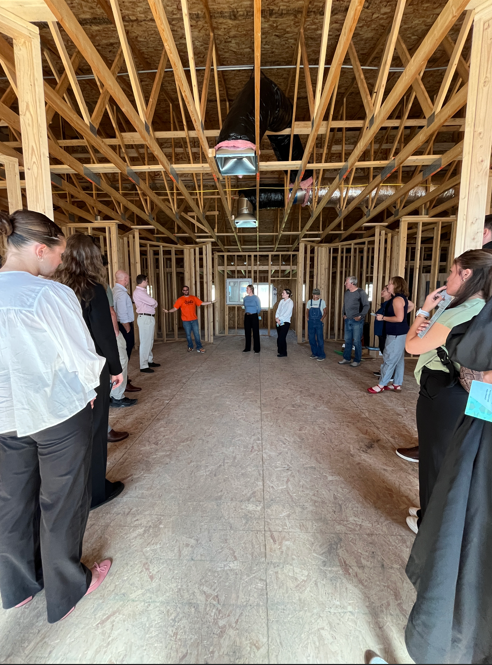
While students heard about challenges such as diabetes and substance use disorder, O’Rourke was struck just as strongly by the community-led efforts addressing them. At the Lodge Grass Community Family Wellness Center, students learned about programs supporting childcare, addiction recovery and families reconnecting after rehabilitation.
“I was surprised by how much of the experience focused on the strengths and community-driven solutions that already exist,” O’Rourke said.
That perspective will stay with her as she continues her medical training.
“AIME gives you the opportunity to learn directly from people who know their communities and their cultures far  better than could be taught in the classroom,” O’Rourke said. “Go with an open mind and be willing to listen more than you speak.”
For O’Rourke, that lesson may be one of the most lasting parts of AIME: understanding that becoming a physician means not only developing clinical knowledge, but also taking the time to understand the people, cultures and communities behind each patient.
“I definitely think my American Indian Medical Experience (AIME) with the Crow Tribe will stay with me throughout medical school and into my 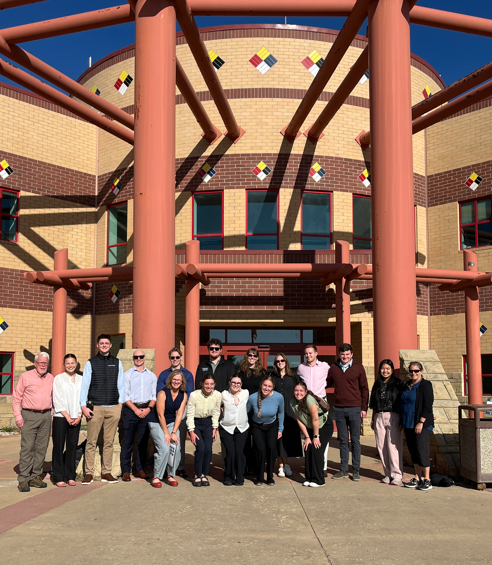 career as a physician!” she said.