
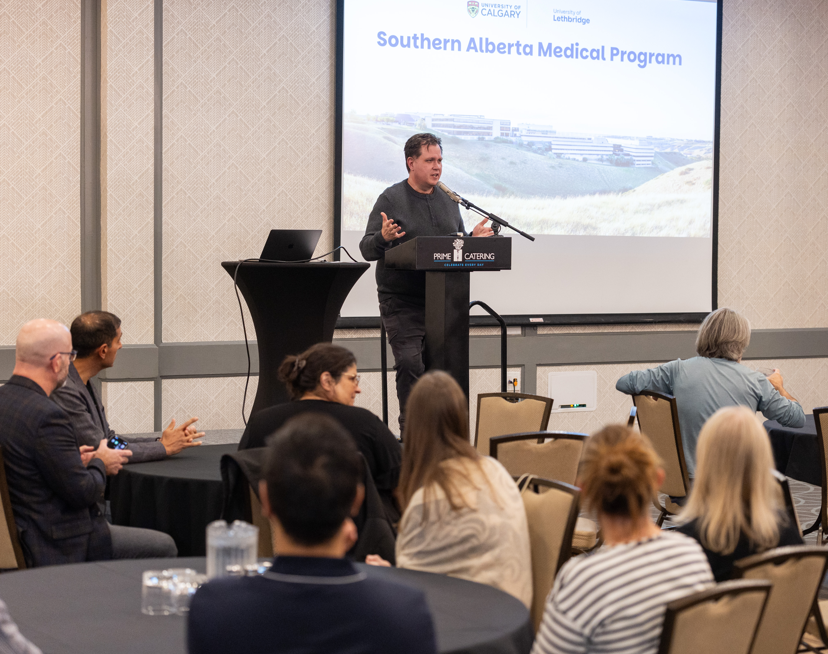
 Medical educators from Montana WWAMI joined colleagues from around the world in Calgary, Canada, for the Conference on Longitudinal Integrated Clerkships (CLIC). The conference offered an opportunity to exchange ideas about medical education and explore ways to prepare future physicians for rural practice.
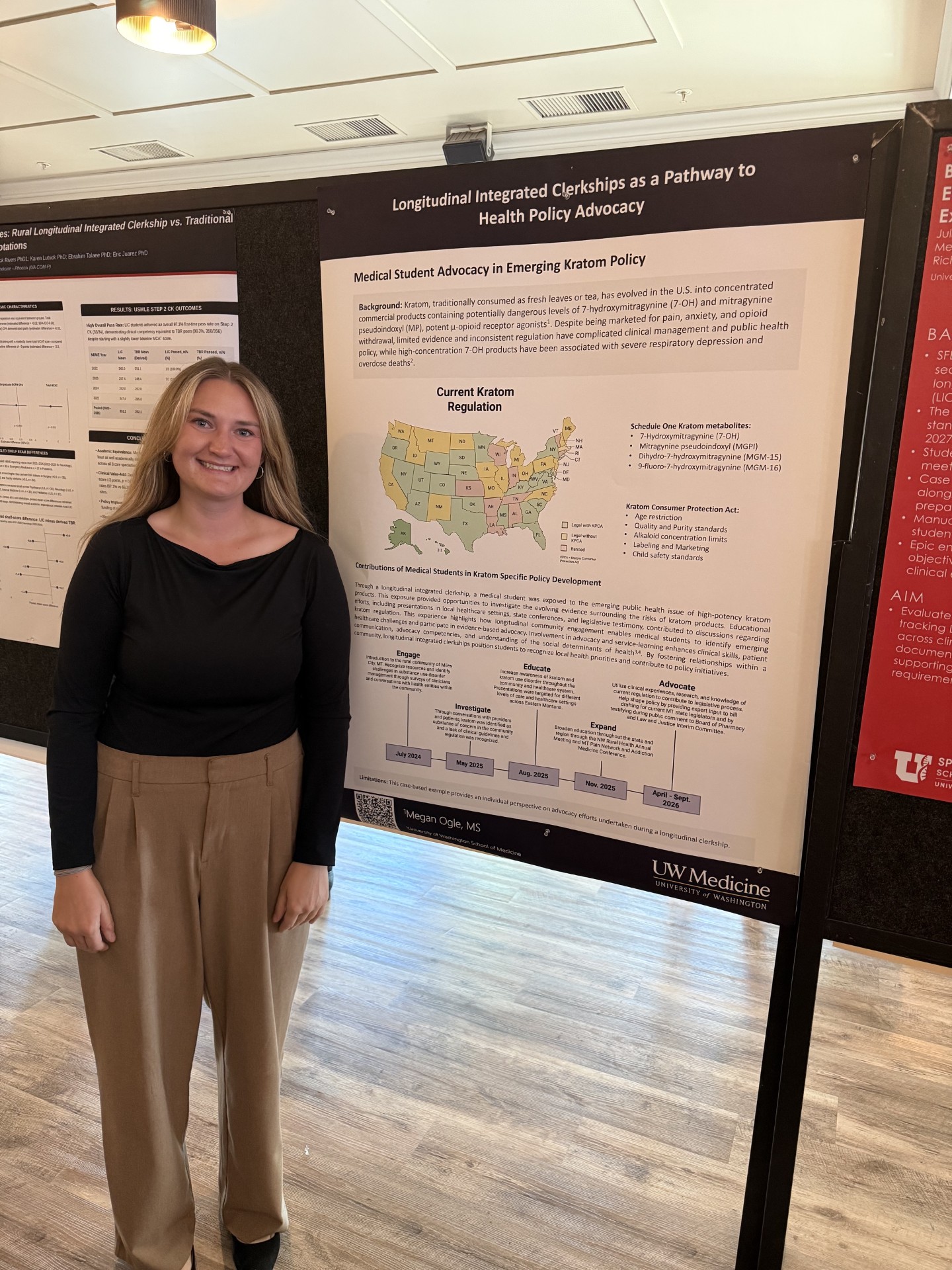
Among the attendees was Megan Ogle, a third-year Montana WWAMI student and TRUST Scholar, who presented a poster on medical student advocacy through a longitudinal integrated clerkship focused on emerging kratom policy.
“Speaking with other students and educators involved in LICs allowed me to see how other schools implement these programs in their curriculum and the benefit students and residents have gained through their involvement,” Ogle said.
LICs allow medical students to build relationships with patients, preceptors and communities over time. At the conference, Ogle explored how medical schools structure these programs, along with the benefits, challenges and creative solutions educators have developed.
Her experience in Montana WWAMI’s TRUST program offered a perspective that resonated with other attendees. Ogle highlighted the value of early clinical exposure through her WRITE community, which helped her develop clinical skills and feel integrated into the health care system. She also shared 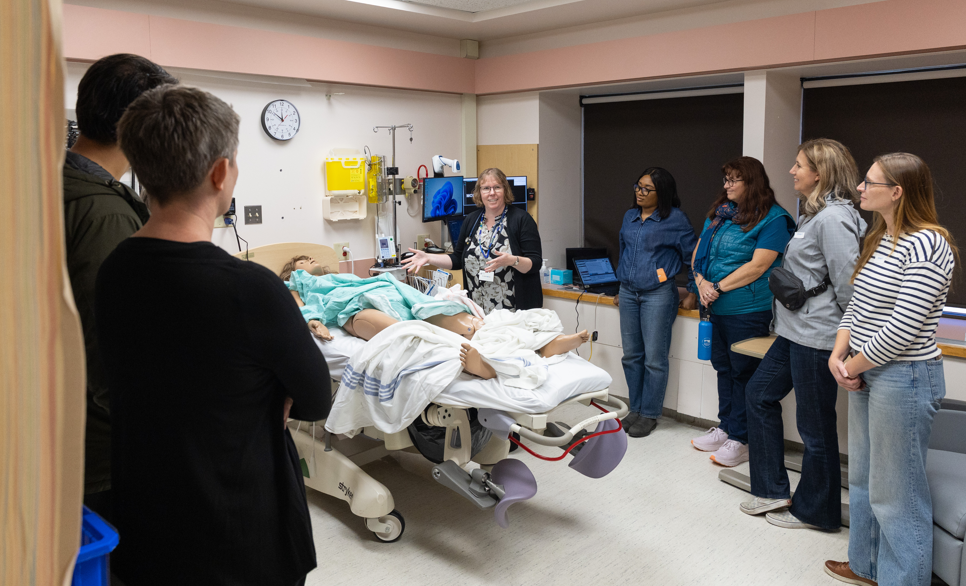 how shorter clinical experiences, including Foundations of Clinical Medicine (FSE) and the Rural Underserved Opportunities Program (RUOP), can prepare students before they begin an LIC.
Ogle participated in workshops on student perspectives, clinical experiences following longitudinal clerkships, preceptor feedback, and community engagement. The discussions generated suggestions to support improvements across international programs.
“I greatly appreciated the opportunity to collaborate with such inspiring and dedicated people through this conference,” Ogle said.
For Montana WWAMI preceptor Marie Elwood of Hardin, the conference reinforced the importance of supporting physicians who serve rural communities.
“My biggest takeaway was that it takes special people to work in rural healthcare, all over the world!” Elwood said. “We have jobs that are physically and mentally challenging.”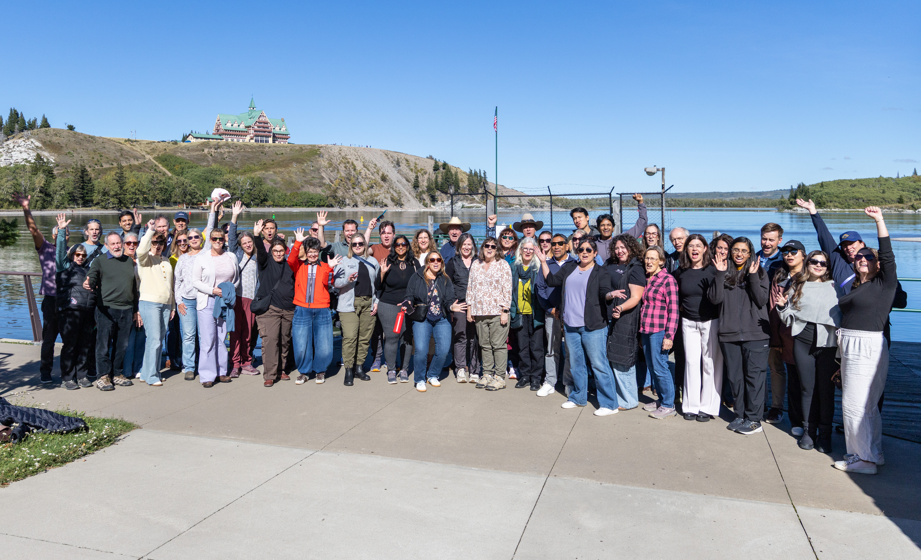
Elwood valued hearing from physicians representing countries including Indonesia, Wales and Germany, as well as communities across Africa, about approaches to encouraging rural medicine as a career choice.
“We definitely are lucky to have the established WWAMI program and the longitudinal clerkships that help students fully explore all options!” she said.