
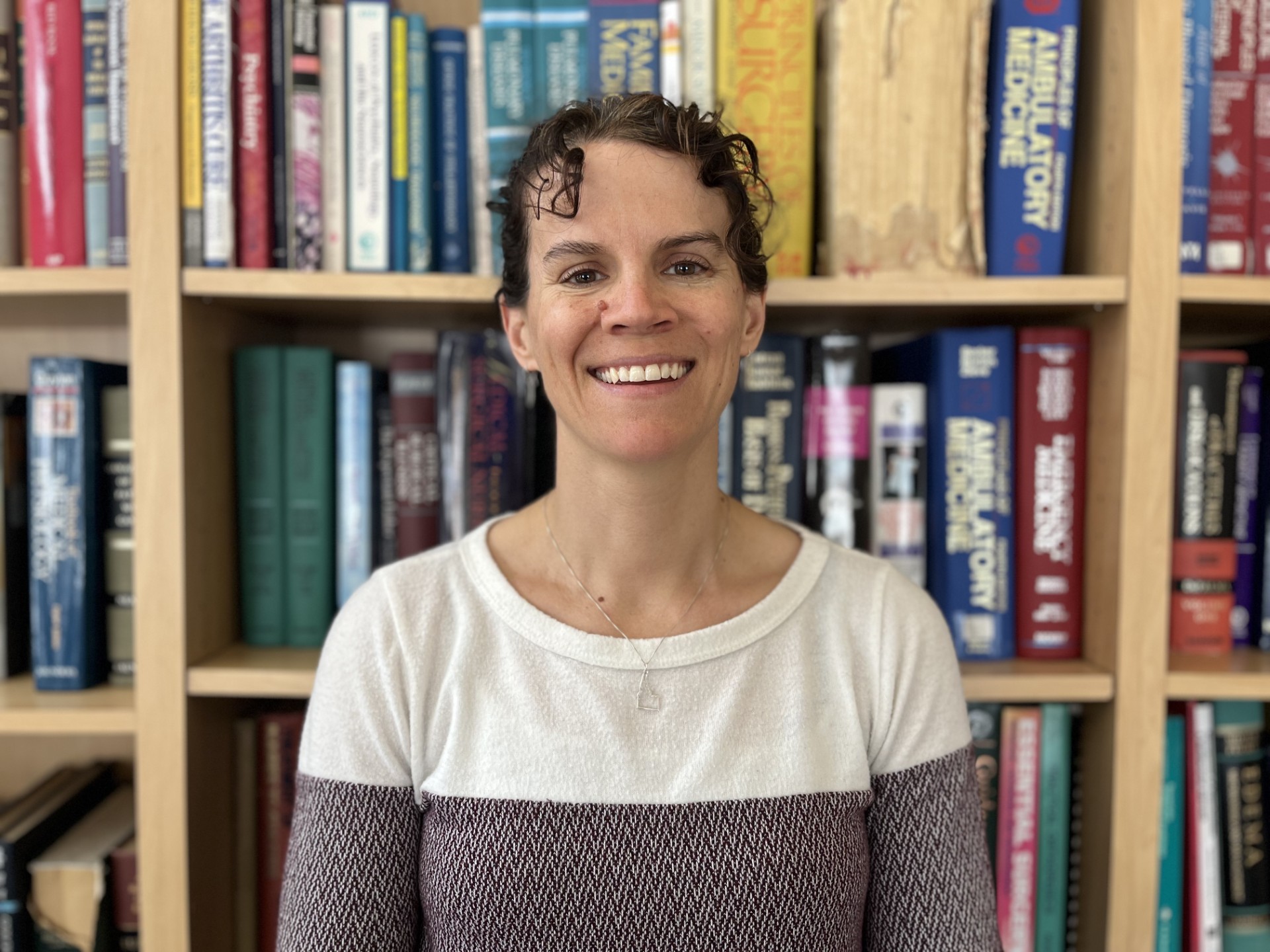
For Dr. Maureen “Mo” Ferguson, TRUST is about more than preparing medical students for rural clinical rotations. It is about giving them the tools, relationships, and perspective they can carry throughout their careers.
“I think that creating those connections, not just between doctors, faculty and preceptors, but between the students, is probably the most important part of this retreat for students,” said Dr. Ferguson, UWSOM TRUST Director and longtime McCall TRUST Site Director.
That was a central theme of the recent regional TRUST retreat in Coeur d’Alene, Idaho, which brought together 32 TRUST scholars from across the five-state WWAMI region, along with faculty, preceptors and program leaders. The retreat included sessions on rural and low-resource medicine, leadership, advocacy, specialty careers, and feedback.
For Idaho WWAMI TRUST scholar Nate Couch, the leadership and advocacy sessions were especially valuable. 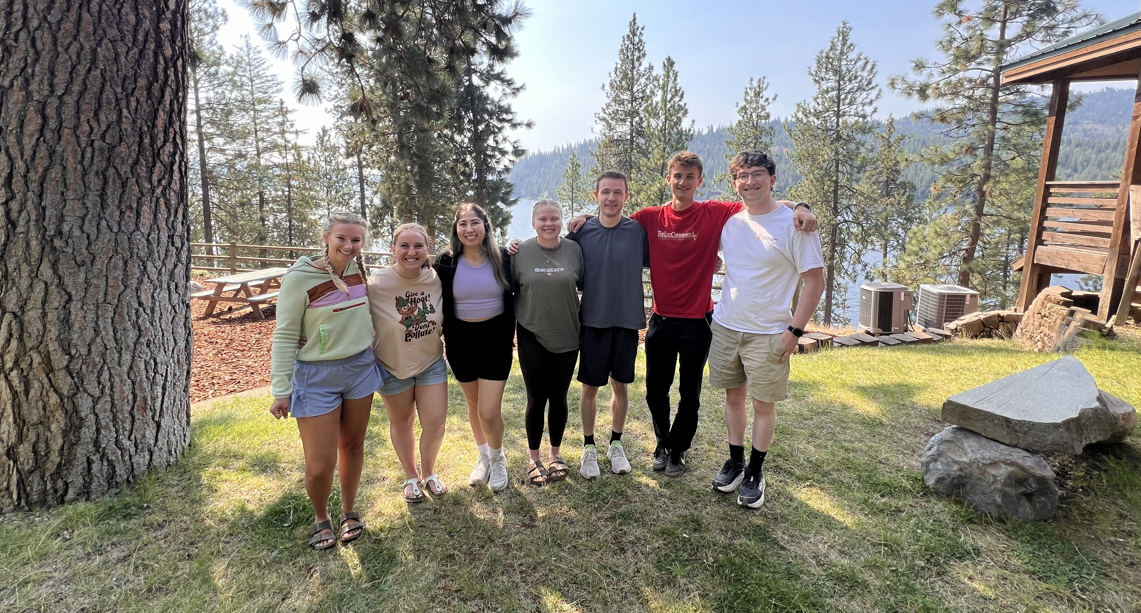
“Communities often look up to physicians as leaders, especially in rural places, but we never get formal training on how to lead,” Couch said. “I feel after these sessions that I am equipped to begin my role as a leader in my community.”
Couch grew up in Sandpoint, Idaho, where his mother is the head pharmacist at a critical access hospital. Seeing the differences between rural and urban healthcare, including through family members’ trips to Spokane for medical care, helped solidify his interest in becoming part of the next generation of rural healthcare providers.
At the retreat, Couch said he was reminded that being a medical student should not prevent him from advocating for his community.
“My biggest takeaway from the retreat is that I shouldn’t let my medical student title discourage me from speaking up for what I believe in, whether that be through Op-Eds or to state legislature,” he said.
Dr. Ferguson co-led a leadership and feedback workshop that gave students practical ways to ask for and provide feedback during their clinical training. The experience also reinforced a broader TRUST goal: helping students understand what leadership can look like in rural and underserved communities.
“Physicians are often expected to take leadership roles, but in rural and underserved communities, that leadership can take many forms,” Dr. Ferguson said. “In a small community, physicians may find themselves leading, not only within the healthcare system, but also as advocates, mentors and engaged members of the broader community.”
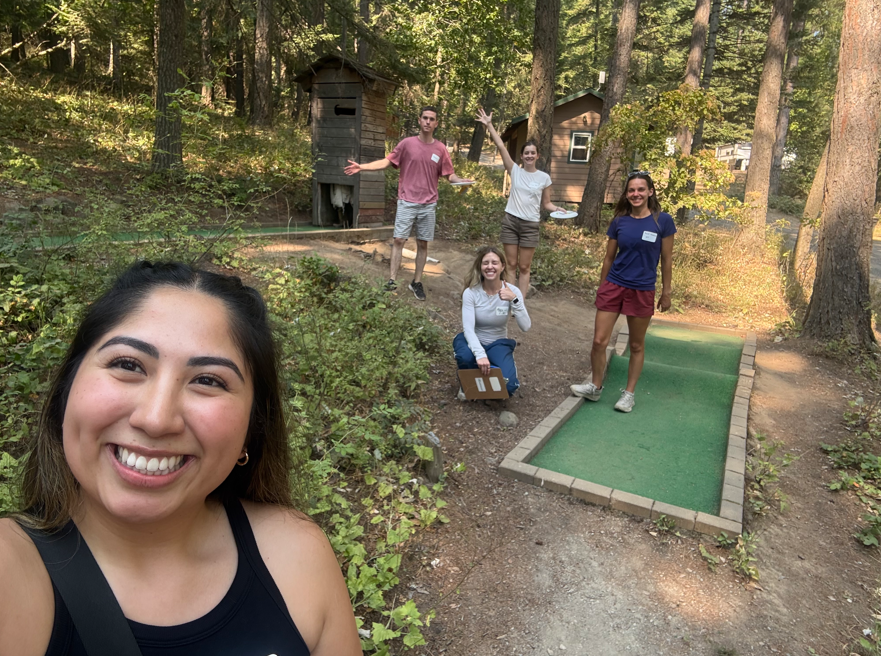 Idaho WWAMI TRUST scholar Kenya Morales-Luna appreciated how the retreat offered practical lessons in leadership, advocacy and caring for patients in rural communities.
She particularly enjoyed a session on remote and low-resource medicine, which showed her how creativity, teamwork, and a commitment to serving the community can help address challenges in rural healthcare.
“My biggest takeaway from the TRUST retreat was the importance of community and how the people in your circle, your classmates, your fellow residents, your staff, if working together, can achieve more while taking care of your patients.” Morales-Luna said.
She now feels better prepared for clinical rotations and connected to a broader network of students, faculty and alumni supporting one another along the path to rural practice.
“I left experiencing a sense of community and better equipped to tackle challenges I may face as I enter my clinical rotations,” she said. “I also left feeling part of a larger family of students, faculty, and UWSOM alumni who are there to support me as I pursue my journey to become a physician serving rural and underserved communities.”
For Dr. Ferguson, that perspective is rooted in personal experience. As an Idaho WWAMI student, she completed rural rotations in McCall, including an early version of what is now TRUST. She later returned to McCall to practice medicine and serve as a TRUST preceptor and site director. 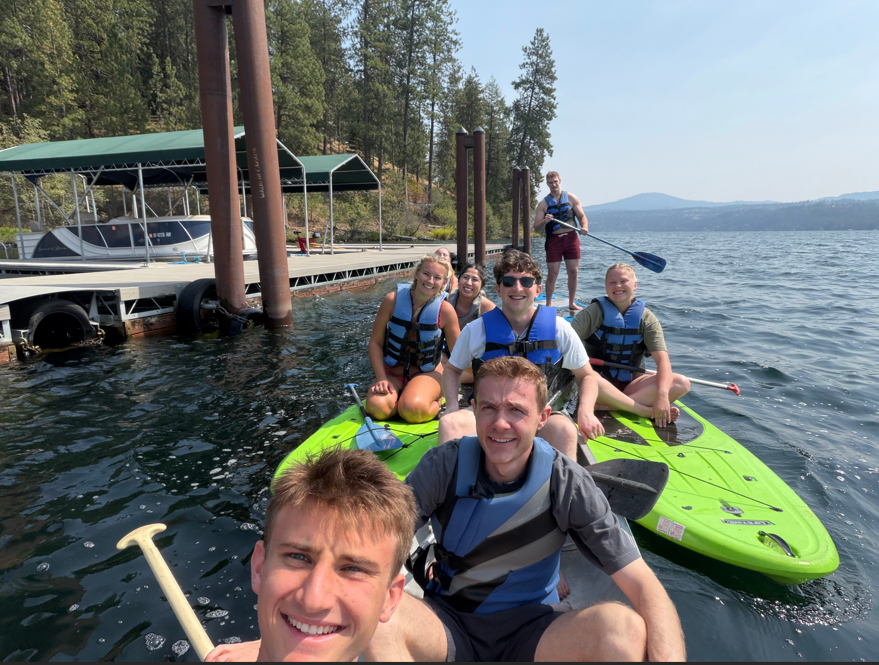
She has since watched the connections students make at the regional retreat continue to benefit them. Students turn to TRUST peers in other states for advice about clinical requirements, residency applications, and rural practice.
“I like to think that TRUST is about more than just medical school,” Dr. Ferguson said. “The relationships these students build with each other, their mentors, and the communities can continue long after they graduate. My hope is that TRUST gives them connections that last throughout their careers.”