
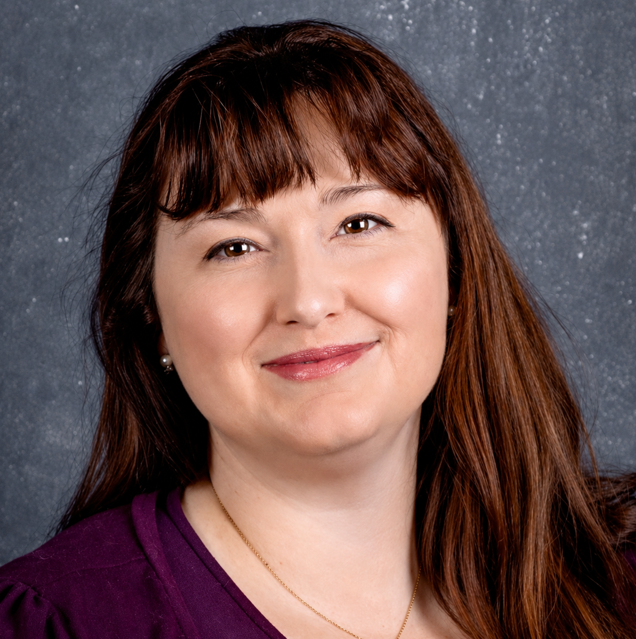
For Serena Brewer, D.O., becoming director of the WWAMI Rural Integrated Training Experience (WRITE) program is an opportunity to help expand the model of medical education she has experienced firsthand, both as a physician and as a longtime preceptor.
Dr. Brewer, who also serves as a Montana WWAMI Assistant Clinical Dean, took over as WRITE Director in April 2026 after Frank Batcha retired. However, her connection to medical education runs much deeper than her leadership roles. A longtime Montana WWAMI preceptor, she joined the program’s leadership team in 2024 and has continued to champion innovative approaches to clinical education.
“I am passionate about alternative learning modules in medicine, especially longitudinal learning opportunities,” Brewer said. “WRITE and TRUST have had such fantastic creators and supporters prior to my coming on board. I want to ensure the program continues to thrive and even grow.”
For Dr. Brewer, one of WRITE’s greatest strengths is its longitudinal structure.
“For students, the opportunity to integrate and reinforce knowledge over an extended period of time is so unique,” she said.
Rather than moving through short, separate clerkships, students remain in one community throughout the 21-24 week clerkship, allowing them to build on what they learn while developing meaningful relationships with patients, families, and their communities.
“Multiple studies have shown that knowledge recall and board scores are higher for students learning in this model compared to the traditional clerkship module,” she said. “Additionally, they get to experience the impact of continuity, getting to know a patient/family over time and being able to see how the rest of that patient’s life is impacting their health,” Dr. Brewer said.
That community connection is crucial for both the students and the communities they serve. Students learn not only how to care for patients, but also about the resources and gaps that shape health outside the clinic. At the same time, communities gain the opportunity to play a role in developing future physicians while benefiting from the additional support WRITE students provide.
“For communities there is tremendous pride in knowing they helped to shape the career of a future physician,” Dr. Brewer added. “WRITE students bring an additional set of hands and eyes to help out, whether that’s in clinic (seeing patients who might not otherwise be seen), in the community with service projects, or simply getting involved in community activities.”
Dr. Brewer hopes to build on the foundation Batcha established, particularly his work integrating competency-based learning into WRITE and the broader University of Washington School of Medicine curriculum. She also wants to reinforce WRITE’s value as a rigorous clerkship and help more students appreciate the distinctive advantages of learning longitudinally within a community.
Looking ahead, Dr. Brewer hopes to increase WRITE participation from its recent level of thirty students toward its approved capacity of forty, and potentially beyond. She envisions part of that growth coming from making sure more students understand what WRITE has to offer.
After just a few months in the role, she is already enjoying one of its most rewarding aspects: visiting the WRITE sites and witnessing the enthusiasm on both sides.
“I have had a great time getting out to sites, observing how passionate our students are to be at their sites and learning,” she said, “and seeing how excited communities are to have these students long term.”