
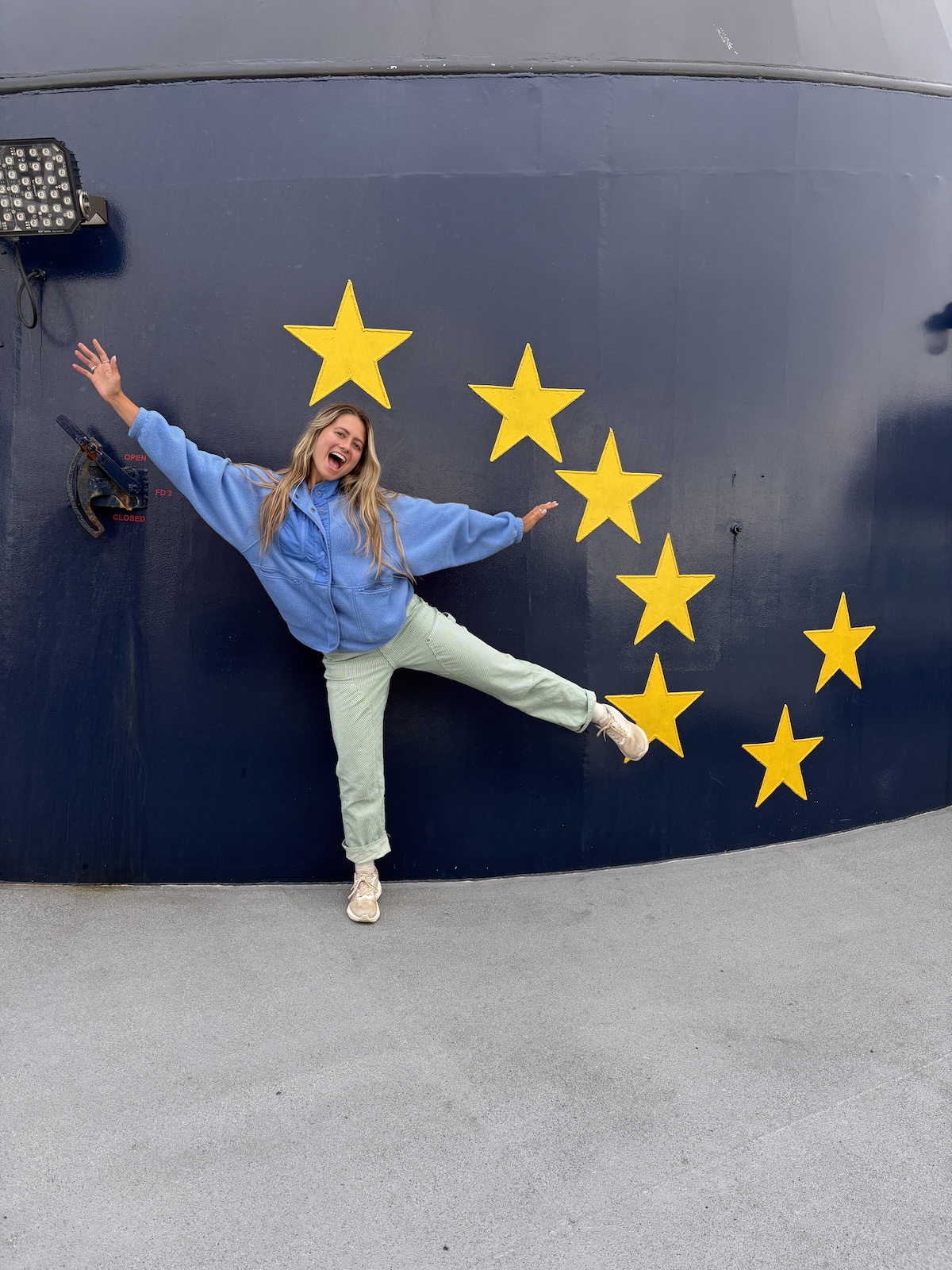
For Alaska WWAMI medical student Mauri Butzke, arriving at her TRUST community in Kodiak was more than the start of a clinical placement, it was her first lesson in rural medicine.
Reaching Kodiak required a six-hour drive from Anchorage to Homer, followed by a 14.5-hour journey aboard the Tustumena, part of the Alaska Marine Highway System. The ferry carries both passengers and vehicles across the Gulf of Alaska, offering travelers the chance to spot whales along the way. The experience highlighted something that will shape much of Mauri’s learning this Summer: in rural Alaska, transportation is an essential part of healthcare.
“Just the logistics of getting to my TRUST site gave me a glimpse into how transportation plays such a huge role in healthcare here,” she said.
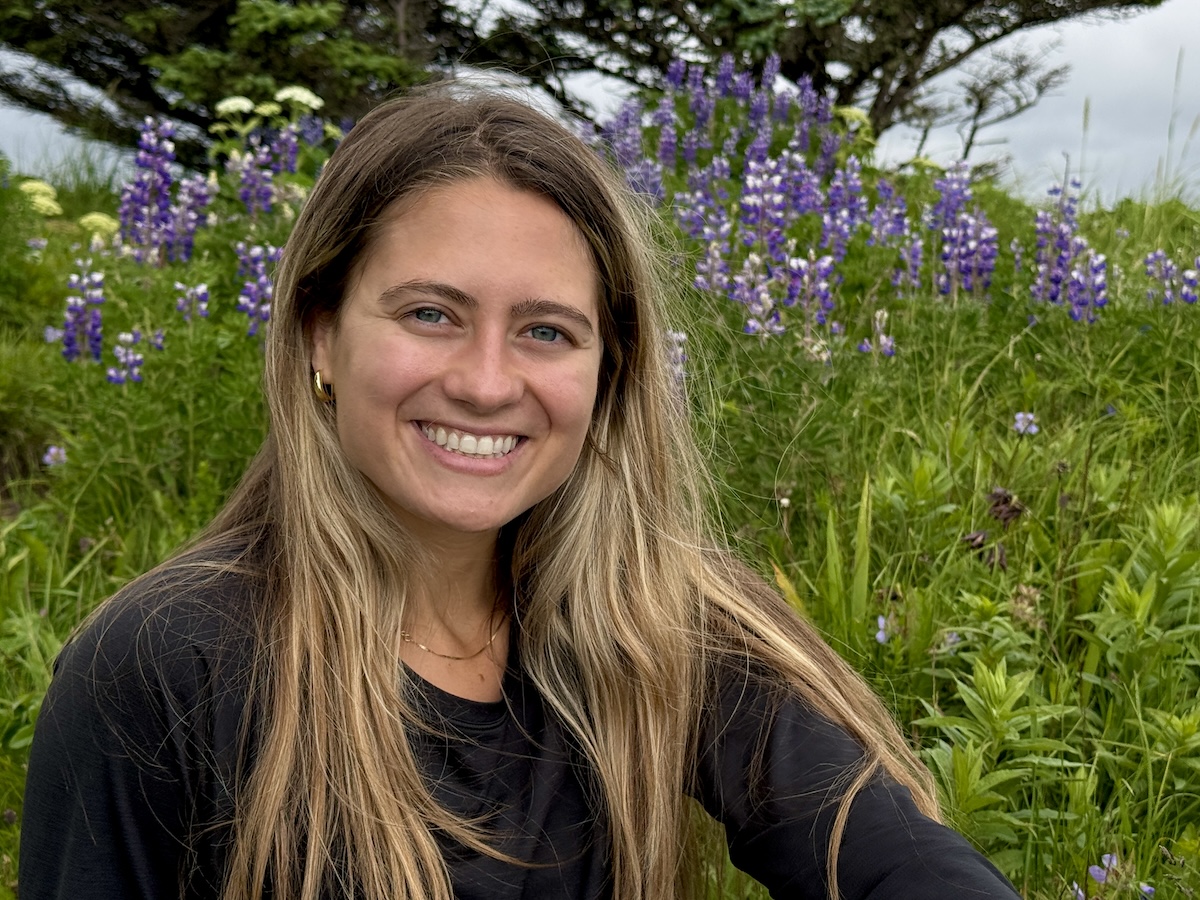
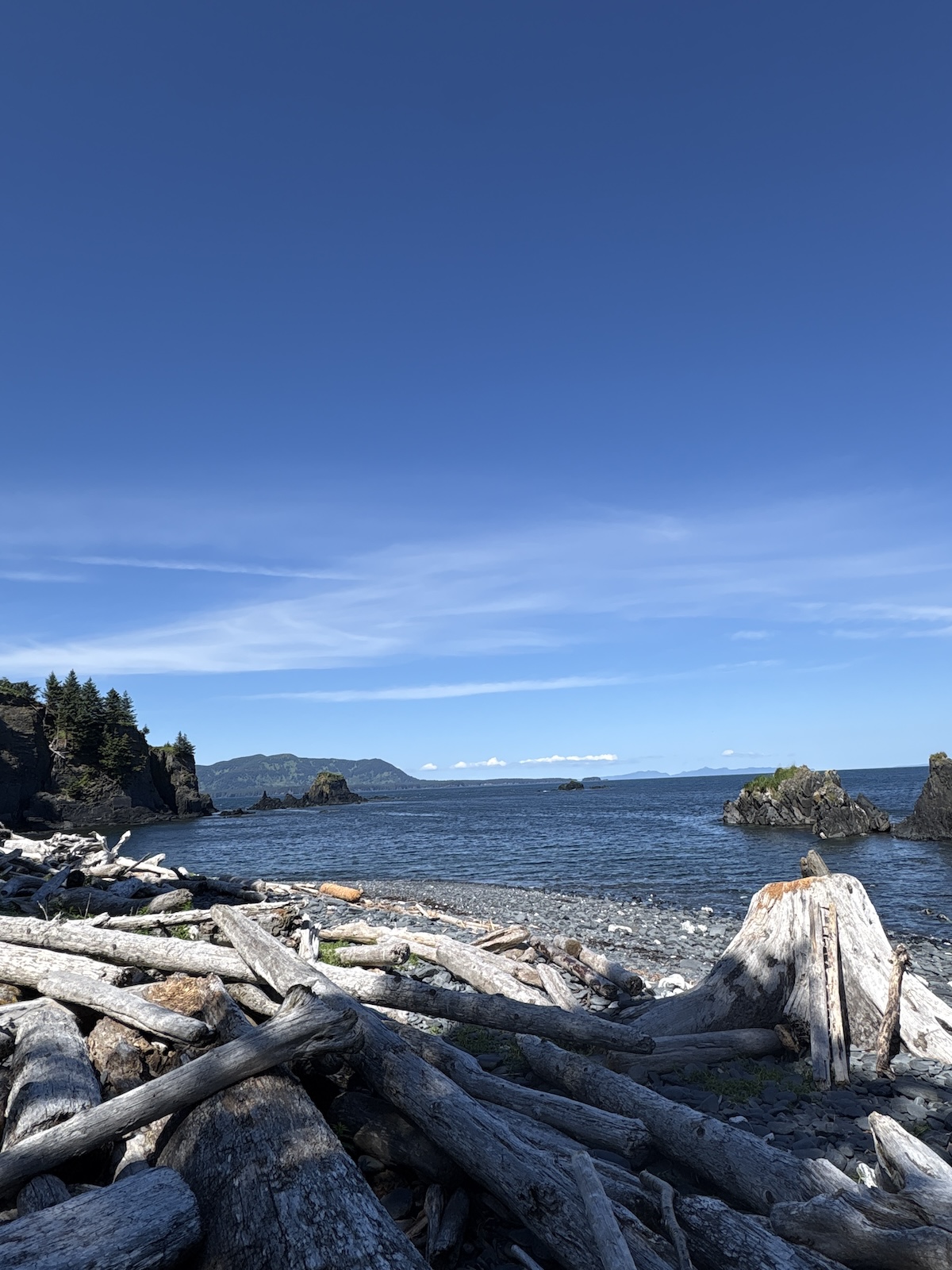
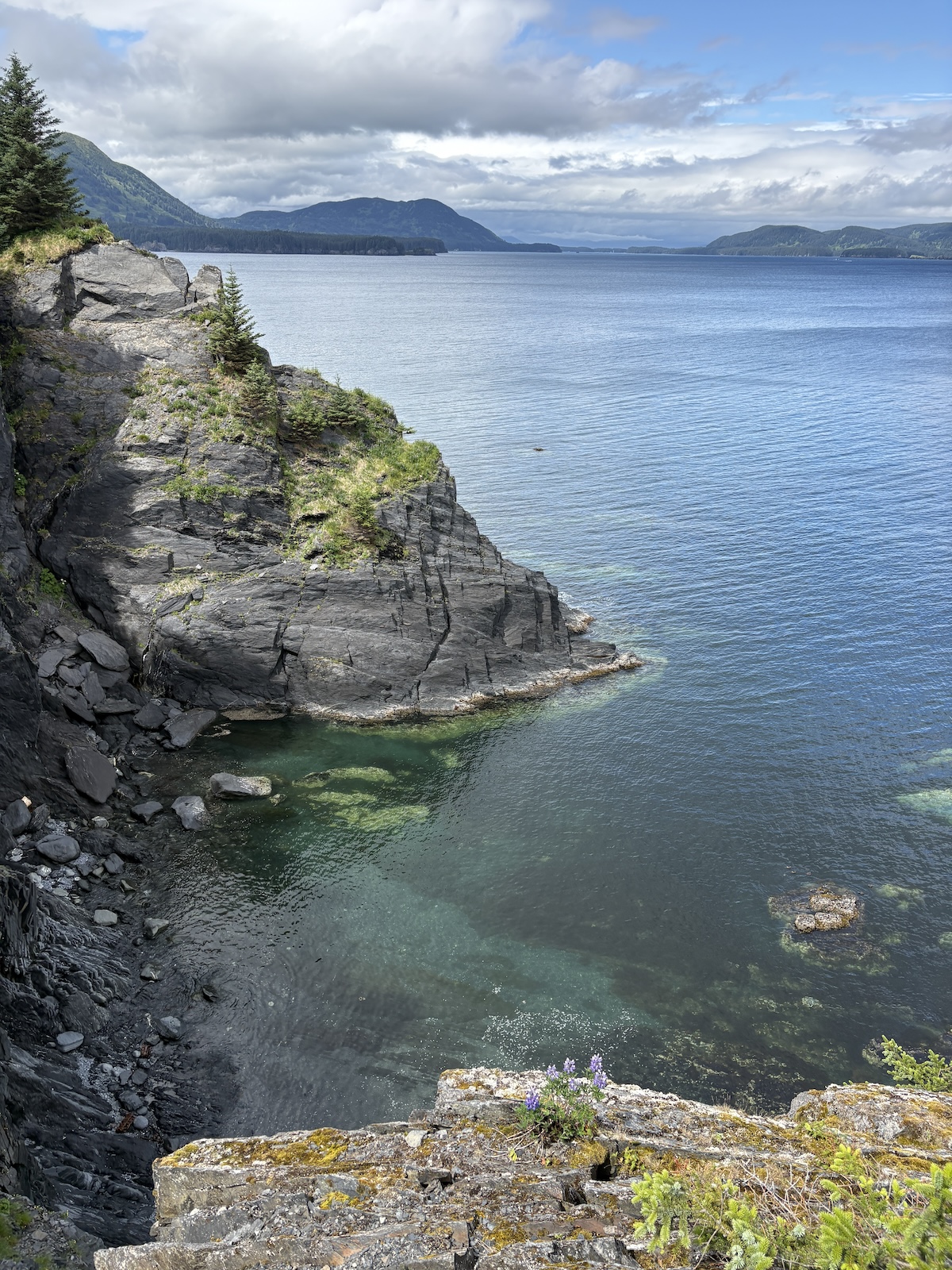
Kodiak, the second-largest island in the United States, is the ancestral homeland of the Sugpiaq (Alutiiq) people. Beyond the City of Kodiak lie six remote villages: Akhiok, Karluk, Larsen Bay, Old Harbor, Ouzinkie and Port Lions – accessible only by boat or small aircraft.
Throughout her TRUST experience, Mauri hopes to better understand how healthcare reaches these communities.
“I’m really excited to learn what healthcare looks like for people living in each of these villages,” she said.
While the City of Kodiak has many familiar amenities, including a hospital, grocery stores and schools, healthcare across the archipelago depends on collaboration and careful coordination. Providence Kodiak Island Medical Center and the Kodiak Area Native Association (KANA) provide much of the region’s care, supported by transportation partners including the U.S. Coast Guard, LifeMed Alaska, local charter flights and Alaska Airlines to move patients when emergencies or specialty care require travel.
“I’m excited to learn how providers travel to these communities, what care can be provided locally, and how patients are cared for across such a large and geographically isolated region,” Mauri said. “I’m also interested in learning how medications and other healthcare resources reach people living in rural communities and what specialty care looks like for patients who live in Kodiak.”
Already, she says, Kodiak has reinforced an important lesson.
“Medicine is defined by so much more than what happens inside a clinic or hospital. In rural Alaska, healthcare is shaped by transportation, weather, teamwork, community relationships, flexibility and creativity. During my TRUST experience, I hope to see how all of those pieces come together to provide care for patients, no matter where they live.”
Inspired by Home
Mauri’s decision to pursue medicine is deeply connected to Alaska and the people who call it home.
“One of my biggest reasons for pursuing medicine is the need for physicians here in Alaska,” she said. “We have a difficult time recruiting and retaining physicians who want to build their lives here and care for Alaska’s communities.”
She also hopes to help address another critical need: increasing representation among Indigenous physicians.
“There is an extreme shortage of Indigenous physicians,” she said. “Less than one percent of physicians in the United States identify as American Indian or Alaska Native, even though our communities continue to experience significant health disparities.”
Mauri’s father is Alaska Native Inupiaq from Nome, and she grew up in Anchorage, where much of her family’s healthcare was provided through the Alaska Native Tribal Health Consortium.
“Throughout my childhood, seeing physicians who shared an Alaska Native background was rare,” she said. “Providers often came for a few years and then moved on. It was difficult to have the same pediatrician or primary care provider who watched me grow up and really knew my family.”
Those experiences taught her the importance of continuity, representation and lasting relationships between physicians and the communities they serve.
She also recognizes the unique healthcare challenges many Alaskans face.
“Some remote communities still do not have reliable in-home plumbing or access to safe water infrastructure. Many families face the realities of food deserts and the loss of subsistence foods. Accessing specialty care is expensive and often means leaving home and traveling long distances, sometimes for days at a time.”
She notes that historical trauma has also shaped healthcare experiences for many Alaska Native communities.
“Building trust takes time, listening, and a willingness to understand each community’s history, strengths and culture,” she said. “Communities that have physicians who are willing to listen, build relationships and earn trust can make a real difference in health outcomes. That’s the kind of physician I hope to become.”
Along the way, Mauri has found encouragement through organizations including the Association of American Indian Physicians and the Association of Native American Medical Students.
“I’ve found mentors, role models and friends who are all working toward improving healthcare for Indigenous communities,” she said. “Being part of that community has shown me that none of us are doing this work alone.”
Keeping an Open Mind
Although she’s still exploring specialties, Mauri is especially interested in primary care and family medicine.
“I love how broad it is, especially in rural Alaska,” she said. “Family physicians take care of patients of all ages and often care for multiple generations of the same family.”
She’s also interested in caring for older adults and patients living with neurodegenerative diseases such as Parkinson’s disease and ALS, as well as physical medicine and rehabilitation.
“I enjoy helping people maintain their independence and improving their quality of life,” she said.
Learning Through Community
As a TRUST student, Mauri appreciates how the program emphasizes partnership and community-centered care.
“What I value most about TRUST is how it teaches us to be creative and rely on the local community,” she said. “Healthcare is a team effort, with the patient at the center, surrounded by providers, community health aides, nurses, pharmacists, tribal organizations, families and so many other people working together to support them.”
After medical school, Mauri hopes to return home to Alaska permanently.
“My goal is to come back to Alaska, build my career and raise my family here,” she said. “Working for Alaska Native Tribal Health Consortium would be a very full-circle moment for me.”
Outside of medicine, Mauri enjoys trail running, mountain biking, road trips and spending summers picking wildflowers. She loves traveling to visit family and friends, relaxing on warm beaches whenever she can, and spending sunny afternoons with her dog, Olive.
For Mauri, her TRUST experience is more than a clinical rotation. It’s another step toward becoming the kind of physician she once searched for as a child: one who builds lasting relationships, understands the communities they serve and is committed to improving health across Alaska.