
Dr. Megan Ritter can trace her interest in medicine back to a single book she read in third grade.
“I read a book called The Great Doctors and was fascinated by the mixture of science and humanity,” she said. “The stories of Drs. Harvey, Jenner, Lister and others left a lasting impression and ignited my interest in the science of medicine.”
That curiosity led her into a pre-med program and eventually medical school. Although she loved every clinical rotation, it was the mentorship of a compassionate dean, who was also a pathologist, that ultimately shaped her career.
“I ended up in pathology because of his mentorship and remarkable example,” she said. “I find the study of how the body functions, down to the molecular level, perpetually fascinating. For me, pathology encompasses intense intellectual stimulation with the ability to apply that knowledge to care for people in my community.”
After years of practicing medicine in the U.S. Air Force, Dr. Ritter came to Alaska looking for a new adventure.
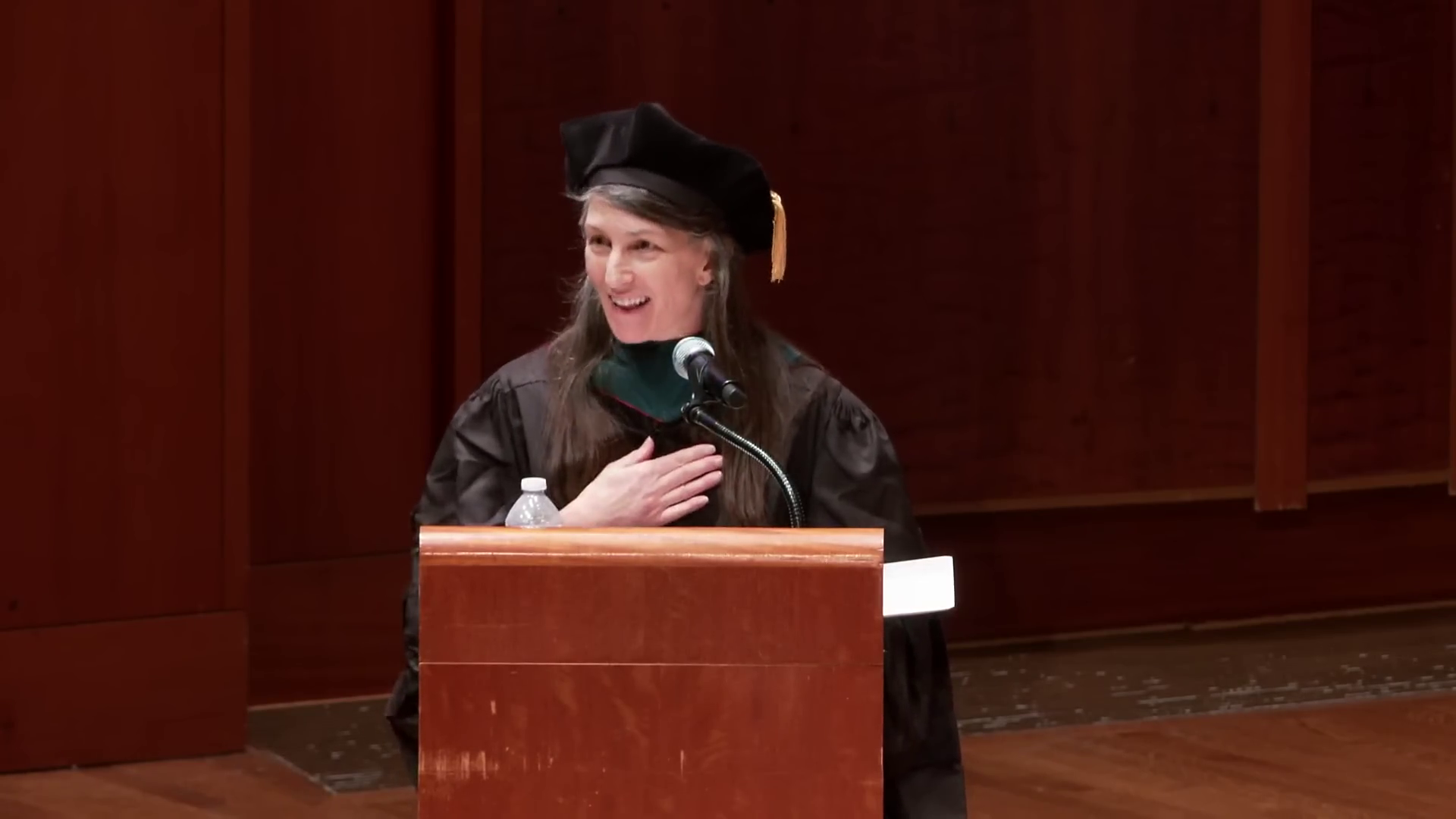
“Alaska was intended to be just a few years’ adventure before moving back to the Lower 48, but I have been here 24 years and will likely finish my medical career here,” she said. “I have had incredible medical and academic opportunities and am still having great adventures these many years later.”
Teaching has been another constant throughout her career. She first taught medical students while stationed at Travis Air Force Base and later joined Alaska WWAMI, where she has taught through both the previous curriculum and the current Foundations curriculum.
“I enjoyed working with students who were as captivated by medicine as I was,” she said. “When the opportunity to teach for WWAMI arose, I was very excited to be immersed in that environment again.”
For Dr. Ritter, some of the most rewarding moments happen in the classroom.
“The light bulb moments are fun—when I understand what the student is trying to grasp and can work with them until they nail the concept,” she said. “Sometimes there’s a density of material in a session and we can rapidly fire the images and questions, and the class is engaged and responding. By the end of class there’s clapping and a sense of accomplishment and understanding.”
Those moments continue long after students leave the classroom.
“During the ceremonies, I often feel quite moved and elated watching the classes transition to clinicals and graduate after seeing them grow such a tremendous amount from their first days of medical school.”
Dr. Ritter believes Alaska WWAMI’s small class sizes are one of the program’s greatest strengths.
” Alaska WWAMI has small cohorts, which builds camaraderie and accountability amongst the students,” she said. “Medical school in general can be a bonding experience; however, I think the small class of all Alaskans amplifies that bond and creates a strong built-in support system as well.”
She especially enjoys seeing graduates return to practice in Alaska.
“Many students come back to establish medical careers in Alaska and end up working with classmates from their medical school days. It is particularly fun to work with previous students professionally later.”
That sense of community is one reason she believes community-based medical education is so important.
“As a rural state, the need for physicians is immense,” she said. “Educating Alaskans so they can return is particularly important here. We need physicians that have ties to the community, understand the appeal of living in Alaska and strive to establish practices in order to meet our state’s need for healthcare.”
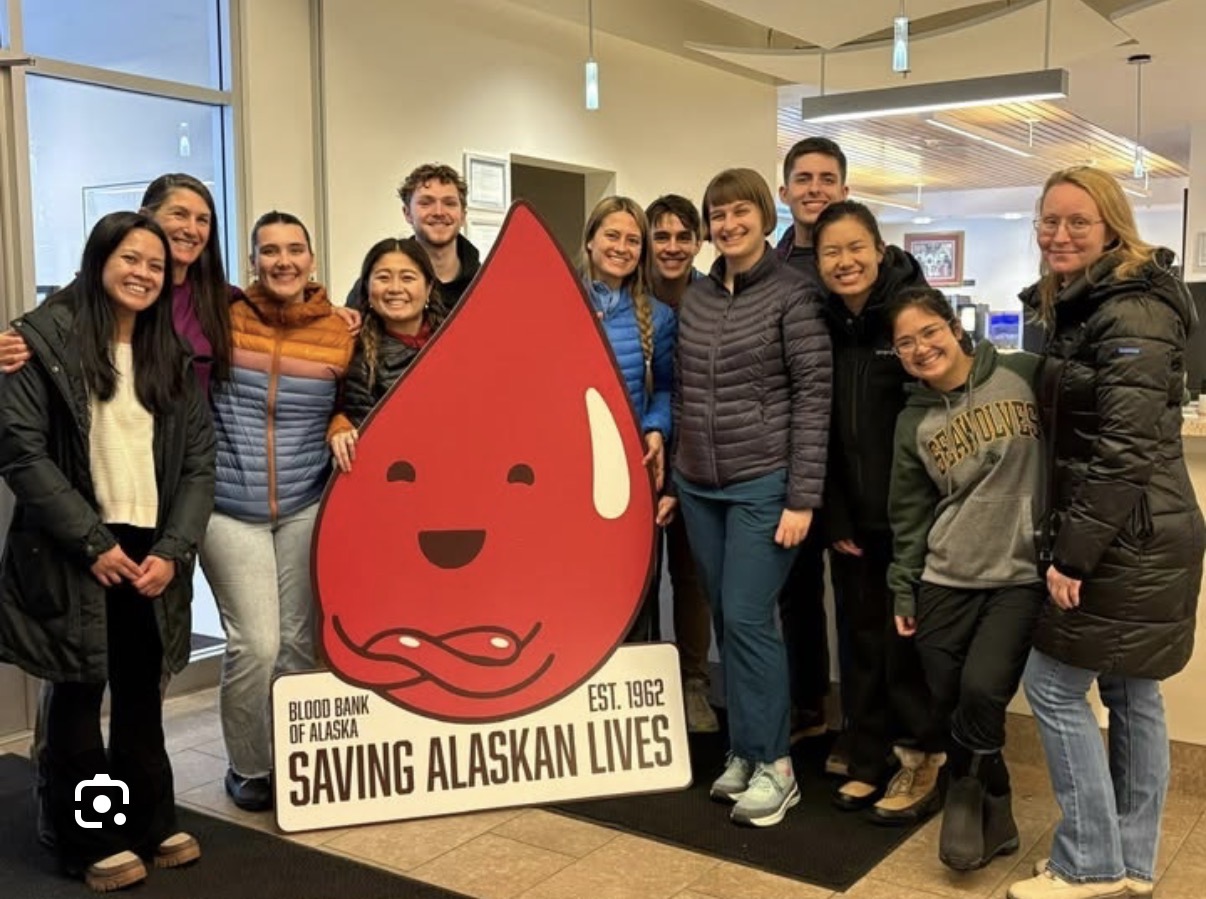
Outside the classroom, Dr. Ritter serves as medical director of Blood Bank of Alaska, where she continues to learn in a field that is constantly evolving.
“I have enjoyed the challenge of learning this new specialized medical field,” she said. “As a nonprofit, our employees are there because they believe in the mission. Without the generosity of all our donors, our patients would not have life-saving blood products.”
She also hopes more people understand the importance of blood donation.
“Every two seconds a patient in the United States will need blood or platelets, which cannot be manufactured, they must be donated by volunteers. Although over half of Americans are eligible to donate blood, only 3% actually donate.”
When asked what she hopes students carry with them throughout their careers, her answer reflects the same curiosity that first inspired her as a third grader.
“Never stop learning, asking questions and updating your understanding of the science, and recognizing the person, not just the patient,” she said. “Your listening and attention and understanding is pivotal in the quality of life of all your patients.”
She also reminds students to embrace the journey.
“Although medical school is intense, remember to take care of yourself and your relationships. It’s not a time to just get through; it’s a time to intentionally live through. In the midst of the academic demands, seek out joy and laughter consistently.”
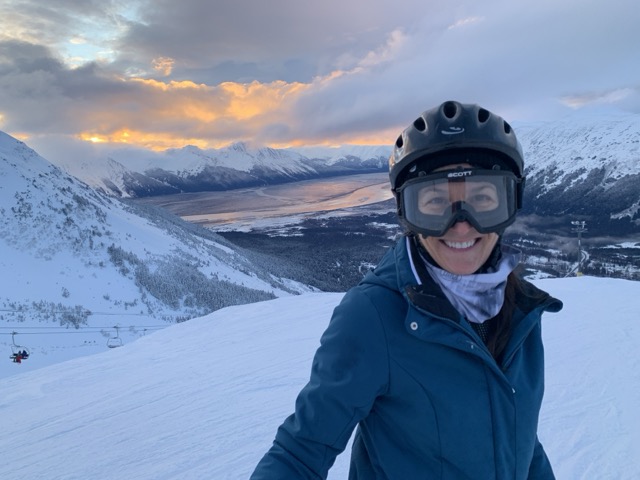
Away from medicine, Dr. Ritter continues to embrace adventure. Since moving to Alaska, she has backpacked, kayaked, climbed, skied, sailed, completed triathlons, summited Mount Kilimanjaro and explored much of what Alaska has to offer.
“I never expected to be this active, but Alaska has so much to offer. It’s easy to try it all.”