When medical educators from across the United Kingdom gathered in Dundee, Scotland, for the UK Longitudinal Integrated Clerkships (UKLIC) Conference in April, Montana WWAMI’s approach to building a rural physician workforce was part of the global conversation.
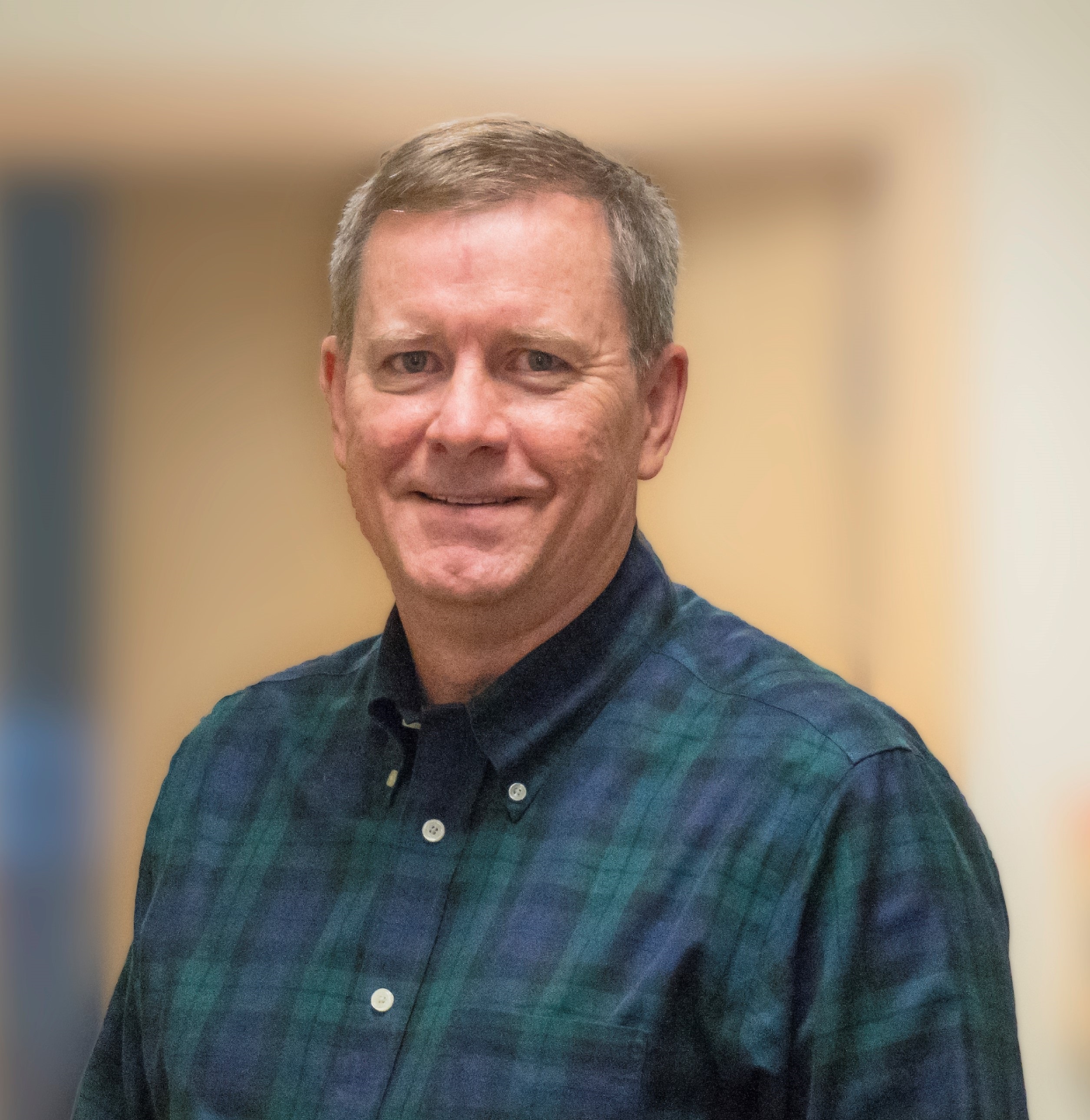
Jay Erickson, MD, Montana WWAMI Assistant Clinical Dean delivered the conference keynote presentation, “Reflections on Creating a Physician Workforce for Montana: The Montana WWAMI Program and the Montana WWAMI TRUST Program.”
Drawing on more than two decades of leadership within Montana WWAMI, Dr. Erickson shared how the program has evolved from providing access to medical education into a workforce development strategy focused on meeting Montana’s rural and underserved healthcare needs.
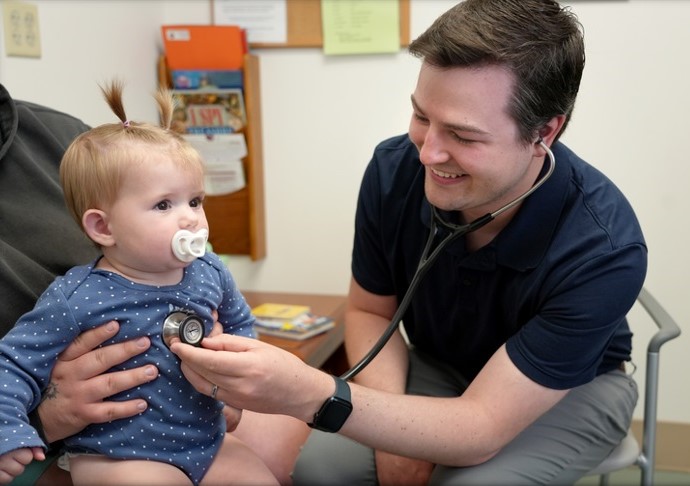
The central focus of the presentation was the Montana WWAMI TRUST (Targeted Rural and Underserved Track) program, launched in 2008 to strengthen the pipeline of physicians serving rural communities. The program combines intentional recruitment and selection of students interested in rural and underserved communities, longitudinal community experiences, mentorship and career advising to help students develop lasting connections to Montana communities throughout medical school.
“The message I hoped attendees would take away was the benefits of a longitudinal integrated clerkship (LIC) experience and the positive outcomes for developing a rural/underserved physician workforce,” Dr. Erickson said. “We’ve created a unique longitudinal medical education program that allows students to build meaningful relationships within rural/underserved TRUST communities for their three to four years of medical school.”

Dr. Erickson highlighted the importance of continuity, a hallmark of longitudinal integrated clerkships. Through programs such as the Rural Underserved Opportunities Program (RUOP), First Summer Experience and the WWAMI Rural Integrated Training Experience (WRITE), students develop long-term connections with patients, mentors and communities while gaining hands-on clinical experience.
The results have been significant. Nearly 45% of Montana WWAMI graduates now return to practice in Montana. When physicians from other WWAMI states who choose to practice in Montana are included, the state’s return on investment rises to nearly 65%. The Montana TRUST program now has outcomes data showing that 48% of graduates are returning to rural communities.
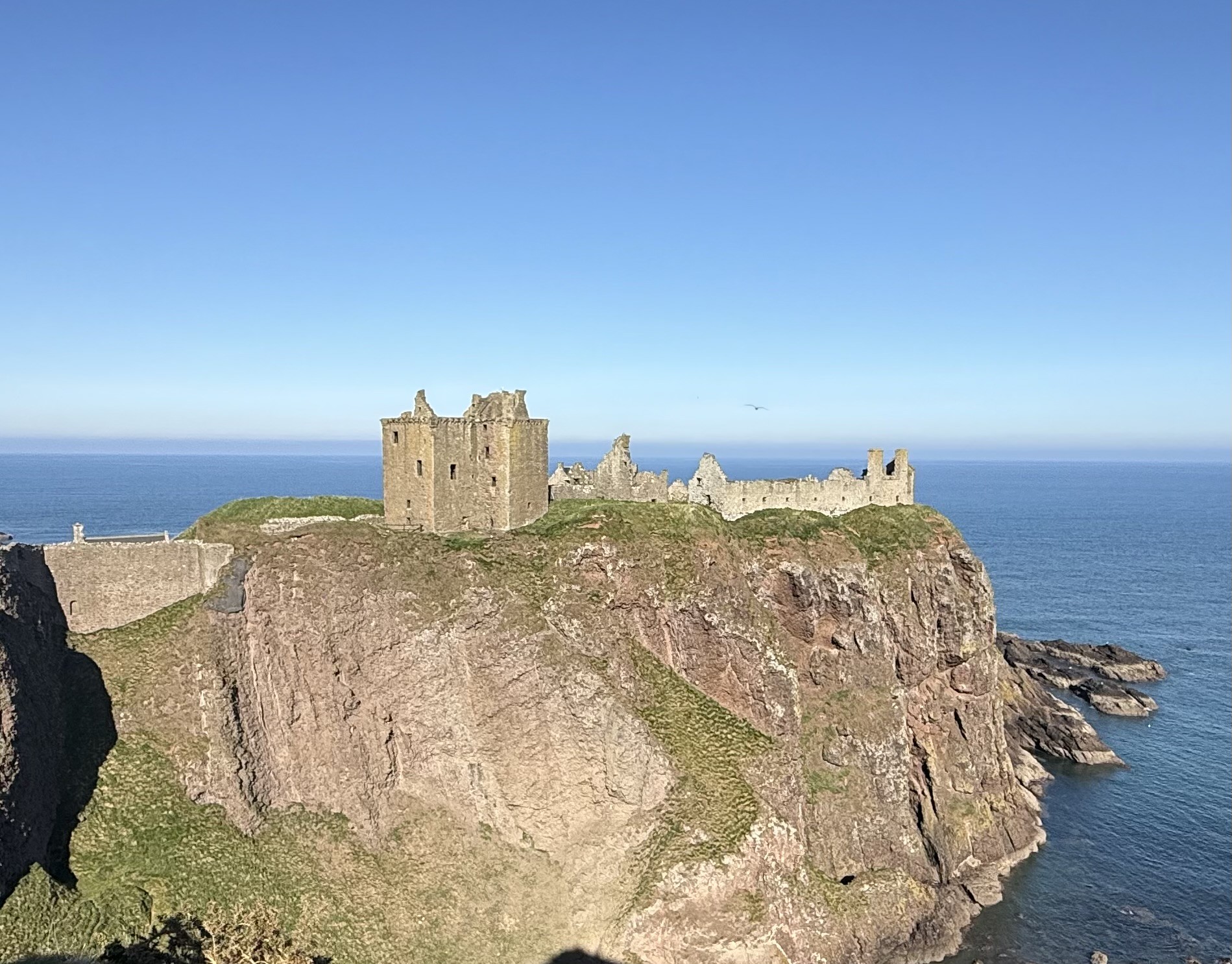
Beyond the keynote, Dr. Erickson was encouraged by discussions about the future of community-based medical education.
“One of the most impressive themes at the conference was hearing the positive student reflections on their longitudinal community placements and how they did not want their experiences to end,” he said. “The Scottish Graduate Entry Medicine program was initially going to have students return to the larger communities (Edinburgh, Glasgow and Dundee) after their third year of a rural longitudinal integrated clerkship experience. They revised the curriculum to keep students in the community settings during their fourth year clerkship experiences.”
The presentation reinforced Montana WWAMI’s mission of improving the health of Montanans by educating future physicians dedicated to serving communities across the state. It also showed how Montana’s innovative approach to rural medical education is contributing to global conversations about strengthening the physician workforce in rural/underserved communities.