
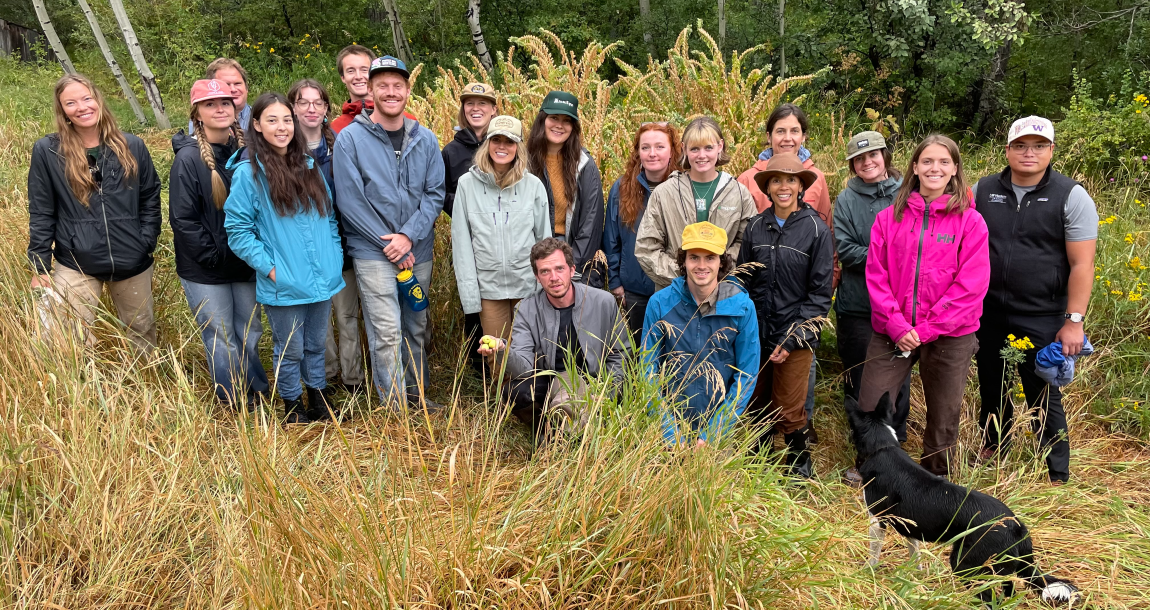
For Montana WWAMI students, one of the most memorable classroom experiences takes place far from lecture halls and laboratories. Each year, Dr. Colette Kirchhoff welcomes students to Pony Creek Homestead for an Ethnobotany Field Day, an immersive experience that explores the connections between plants, health and the environment.
“Plants regenerate our soils, provide oxygen and food for necessary and declining pollinators, animals and humans, decrease deforestation and improve human health. We cannot live without plants,” said Dr. Kirchhoff.
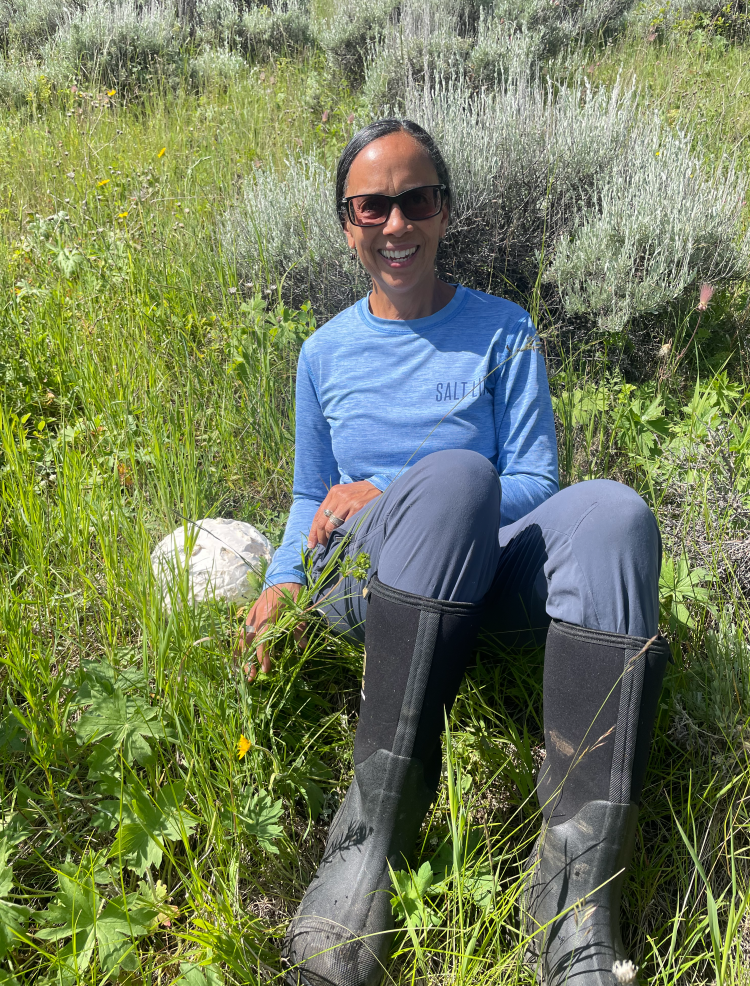
Ethnobotany—the study of the relationship between people and plants—reflects many of Dr. Kirchhoff’s lifelong passions. Board certified in both Family Medicine and Hospice & Palliative Medicine, she also earned certification in Holistic Medicine (now known as Integrative Medicine) and has spent decades integrating plant-based knowledge into patient care.
“My father, a Dominican, took many herbs, and my sister is an herbalist,” she said. “I have always had interests in food, herbal medicine, integrative healing and prevention.”
During her 23 years in primary care practice, Dr. Kirchhoff often incorporated herbal approaches into prevention and treatment plans, particularly for mild or chronic conditions. She notes that many students are surprised to learn how deeply modern medicine is rooted in plants.
“People often forget that 60–80% of our medicines come from plants,” she said, pointing to examples such as aspirin, which originated from willow and aspen bark, and atropine made from black henbane.
Pony Creek Homestead is set on a 30-acre riparian forest, where Dr. Kirchhoff has spent years learning from plant scientists, naturalists and ethnobotanists.
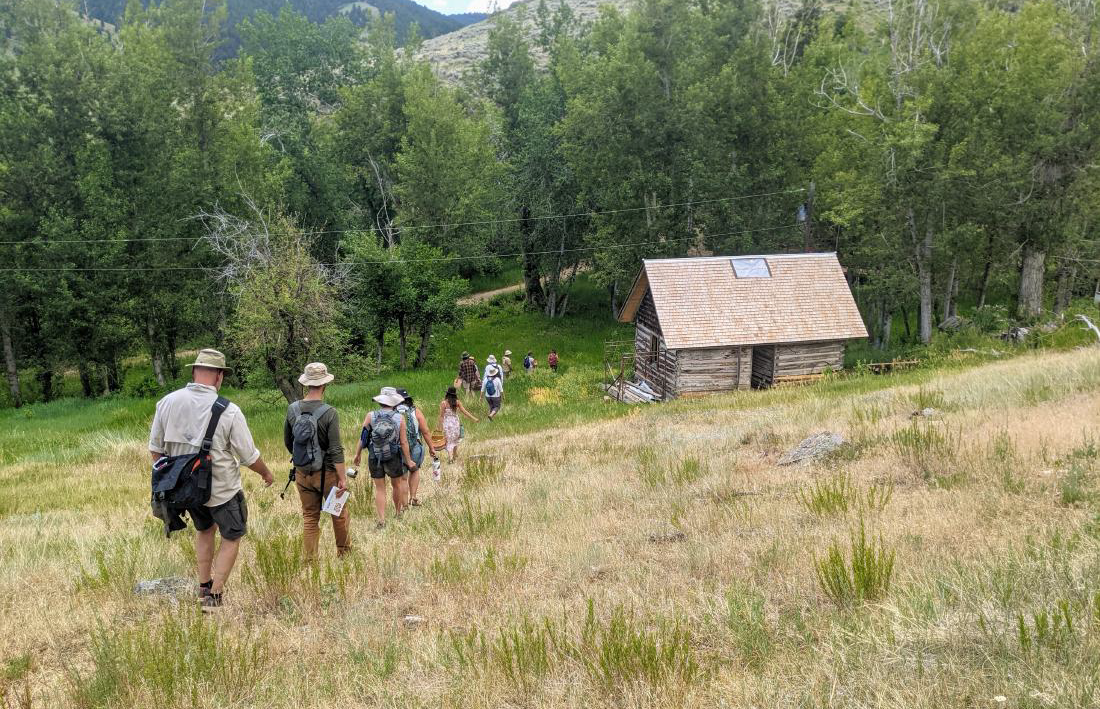
For students, the experience offers something that books and lectures cannot. “Being in the thick of it with plants is so different from knowing about them on paper,” she said.
As students walk the property, they learn plant identification, discuss biodiversity and planetary health, and discover the nutritional and medicinal value of species that are often dismissed as weeds. One of Dr. Kirchhoff’s favorite plants to introduce is sweet cicely, a fragrant herb with a licorice-like flavor that has traditionally been used to support digestion and respiratory health. The plant also serves as an important lesson in caution, as it can be confused with highly poisonous look-alikes.
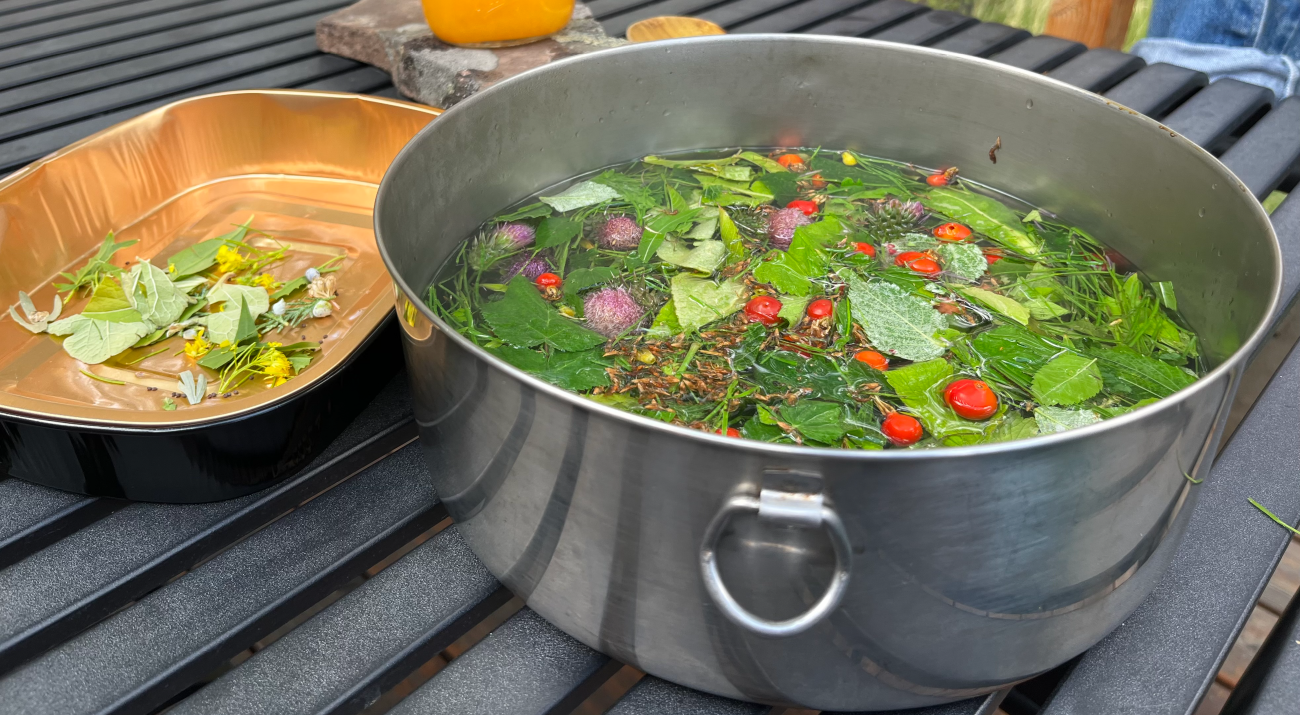
Beyond plant science, the day encourages students to slow down and engage with the natural world. Students touch, smell and taste plants, forage ingredients, and share a meal together. This year’s menu included a stir-fry made from freshly gathered wild greens, puffball mushroom and burdock root, followed by a wild rhubarb crisp for dessert. Together, the group also brewed a tea from more than 20 locally harvested plants.
Dr. Kirchhoff hopes students leave with a greater appreciation for the role plants play in human and planetary health, as well as an understanding of regenerative land practices and biodiversity.
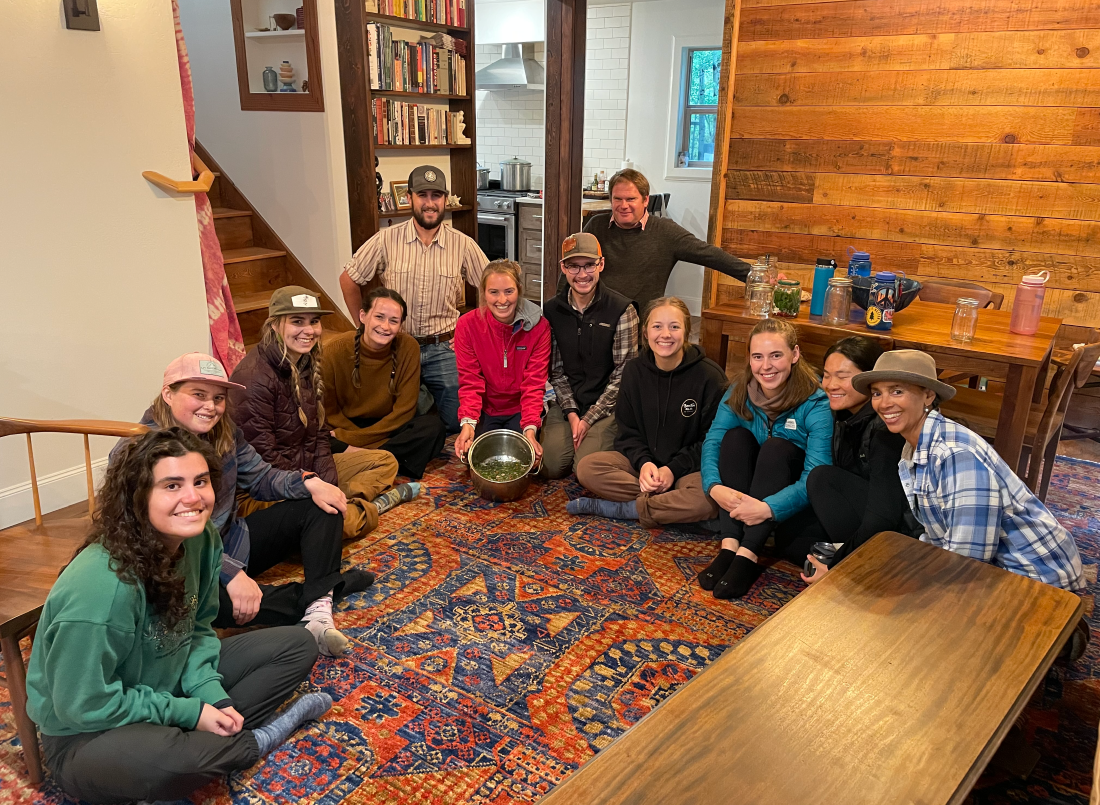
Among her favorite memories is introducing students to Pony Creek, a spring-fed stream that runs through the property. Last year, students drank directly from the creek after testing confirmed the water’s quality. One learner took a gulp, then burst out laughing after discovering several tiny minnow trout still swimming in her cup!
Moments like these, Dr. Kirchhoff says, help students connect medicine, nature and community in ways that remain with them long after the day ends.