
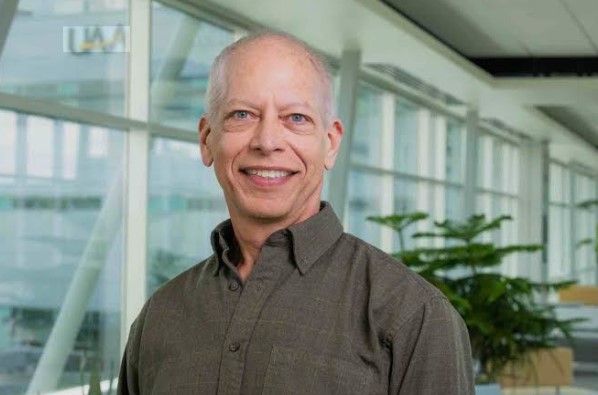
For Dr. Tim Hinterberger, teaching first-year medical students about the brain means embracing both science and mystery. As a faculty member in Alaska WWAMI’s Foundations block: Mind, Brain & Behavior (MBB), Hinterberger introduces students to one of medicine’s most complex frontiers: the human brain and consciousness itself.
“For thirty years I’ve told students on the first day of class, ‘We know how the heart pumps blood, and we know how the kidneys produce urine, but we have absolutely no idea how the brain produces this thing we call consciousness,’” Hinterberger said. “That’s still as true today as it was the first time I said it.”
That sense of wonder and curiosity is something he hopes students carry with them long after the course ends.
As a neuroanatomist, some of the most meaningful moments for students happen in the lab, where they work directly with donor brains while learning the intricate structure of the nervous system.
“You can’t begin to understand neurology without first appreciating the underlying anatomy,” he said, “and there’s probably as much anatomical detail in the brain as there is in the entire rest of the human body.”
Teaching students at the very beginning of their medical journey is especially rewarding for Hinterberger. He values the enthusiasm and gratitude students bring to the classroom as they take their first steps toward becoming physicians.
“As I’m sure is true for all of my WWAMI Foundations faculty colleagues, I feel lucky to work with students who are at the stage of their medical education where they’re the most excited and eager to begin the road to becoming physicians,” he said. “They’re genuinely grateful for every well-presented lecture and well-structured lab.”
Beyond the classroom, Hinterberger has also been active in climate advocacy work, particularly around policies aimed at reducing greenhouse gas emissions. While Alaska may avoid some of the most severe direct health impacts associated with climate change, he believes future physicians still need to understand the broader health implications of a warming planet.
Rather than focusing primarily on adaptation, Hinterberger said his efforts center on prevention through policy change and emissions reduction. Much of his advocacy work is through Citizens’ Climate Lobby, a nonprofit, nonpartisan organization that supports federal climate solutions and renewable energy transition efforts.
“Medical professionals have a key role to play as advocates for policies to reduce emissions, by lending their unique health expertise and leadership,” he said.
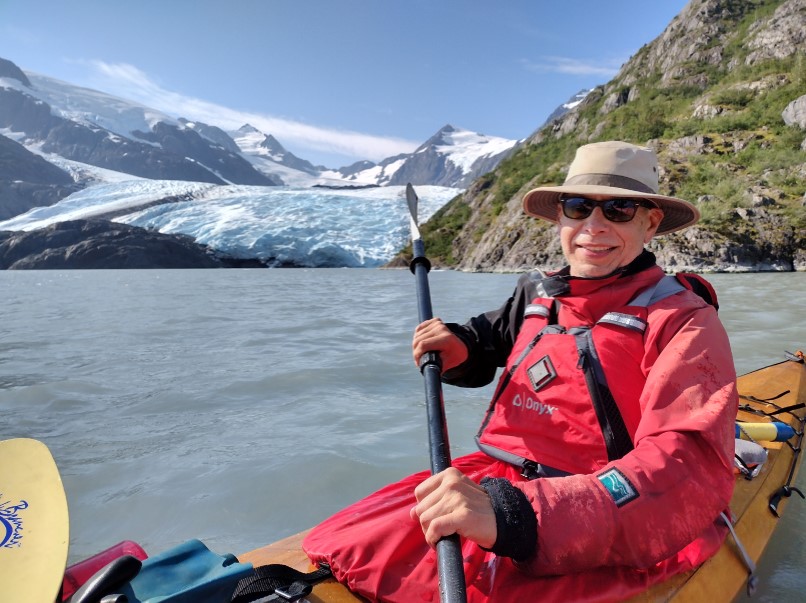
Outside of medicine and teaching, Hinterberger enjoys spending time outdoors and traveling. During Alaska’s summers, he hikes and kayaks locally, while winters often inspire warmer adventures that include scuba diving destinations around the world.
“I have dived in Alaska too, but not for several years now,” he joked. “Cold-water diving is a young person’s sport, I’ve come to realize.”