
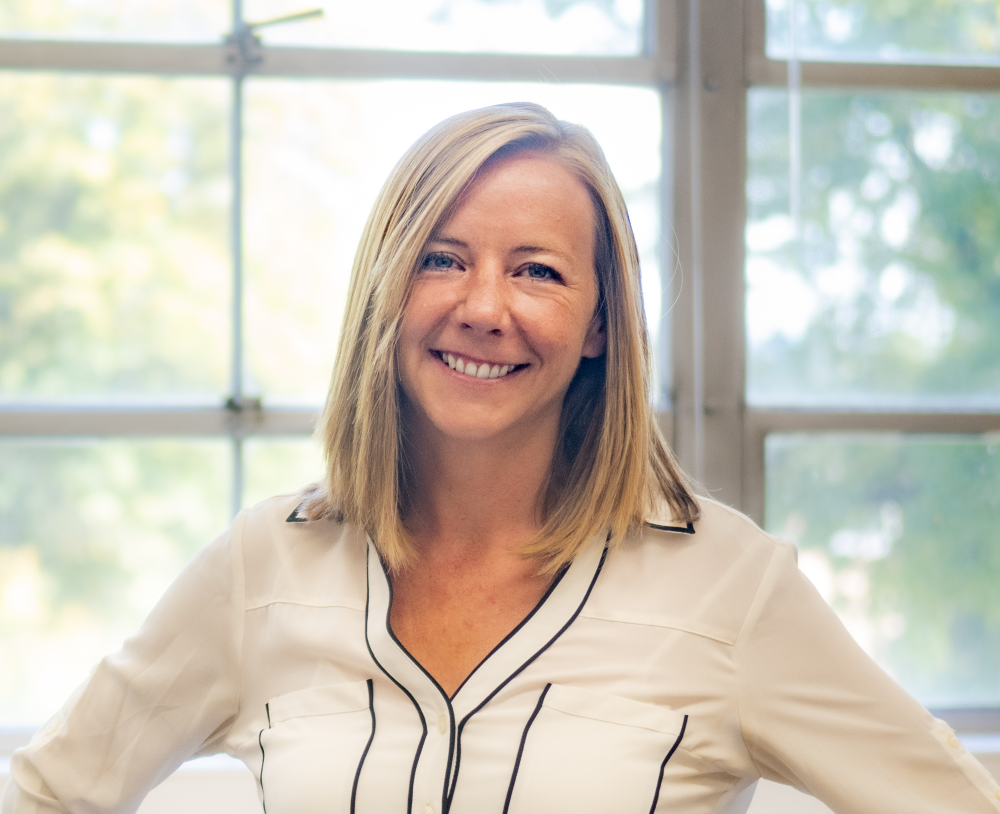
When Dr. Bethaney Fehrenkamp talks about the immune system, her enthusiasm is immediate and unmistakable: “The immune system is everything, everywhere and plays a critical role in proper development,” she says. As a reproduction and developmental immunologist and Clinical Assistant Professor with Idaho WWAMI, Dr. Fehrenkamp has built her career around understanding how the earliest biological influences shape lifelong health—work she describes simply as investing in the “Future Health of Future Idahoans.”
Dr. Fehrenkamp joined Idaho WWAMI in fall of 2022 and now serves as both an educator and research mentor for students. In just a few years, she has established a maternal–infant research program tightly connected to the needs of the region. For her, teaching and research are inseparable.
“Teaching medical students keeps me grounded in the why of biomedical science—curiosity, impact and service,” she says. “By helping develop the future physicians of Idaho, I can have an exponential impact on improving the health of Idahoans.”
That impact is tangible for her students. Riley Hayes, a first-year medical student working in Dr. Fehrenkamp’s lab, describes her as “such an amazing mentor and researcher.” He has been involved in psychological research examining anxiety levels in new mothers—work he calls “absolutely fascinating.” Despite juggling multiple research projects, Dr. Fehrenkamp “is more than happy and able to sit down with anyone doing research with her to discuss and to offer direction,” Hayes says. “Dr. Fehrenkamp is a powerhouse and I feel very fortunate to get to work with her during my medical school training.”
The lab’s work reflects Dr. Fehrenkamp’s upstream approach to medicine—focusing on prevention and early-life influences that shape long-term health. She was drawn to maternal and infant immunology, she explains, because early life is a dynamic window during which the immune system is effectively “trained,” and even small differences can have lasting effects. The field combines “fascinating biology with urgent public health relevance,” supporting mothers, infants, families and entire communities.
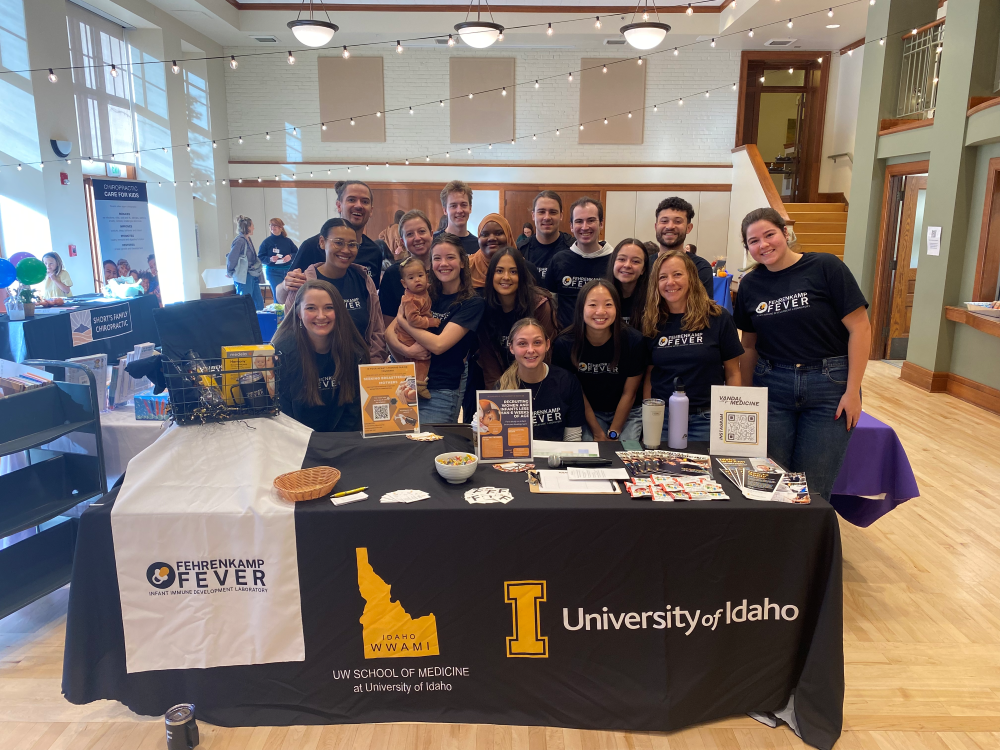
As one of her lab’s many projects, Dr. Fehrenkamp and her team are currently studying breastmilk bioactives—including immune and endocrine signals—and how their daily rhythms may be influenced by maternal factors such as stress and sleep. The lab explores how these exposures relate to infant immune and neurodevelopmental outcomes, integrating immune profiling with other “omics” approaches and translational models.
First-year Idaho student Kate Malinauskas is part of that work. “We just started our research. My job is consenting moms into the study, interviewing them and collecting breast milk samples and getting them to the lab,” she says. For Malinauskas, the experience has been as personal as it is professional. “Dr. Fehrenkamp has been an incredible mentor for me,” she shares. “She has supported me so much and has believed in me when I did not believe in myself. I have spent hours in her office talking about research, lecture material or just life.”
Dr. Fehrenkamp’s dual training as both an MD and PhD uniquely positions her to guide students through the demands of medical education and research. “She knows exactly what medical students go through, which I believe is very unique and beneficial,” Malinauskas says. “She is very wise and it is very obvious that she is devoted to us as students.”
Her commitment to maternal health extends beyond the lab bench. During the COVID-19 pandemic, while many were isolating, Dr. Fehrenkamp donned her PPE and continued hands-on research to investigate whether the virus could be transmitted through breast milk—an urgent question for mothers and infants. This is just one example of how she connects mechanistic immunology to real-world outcomes.
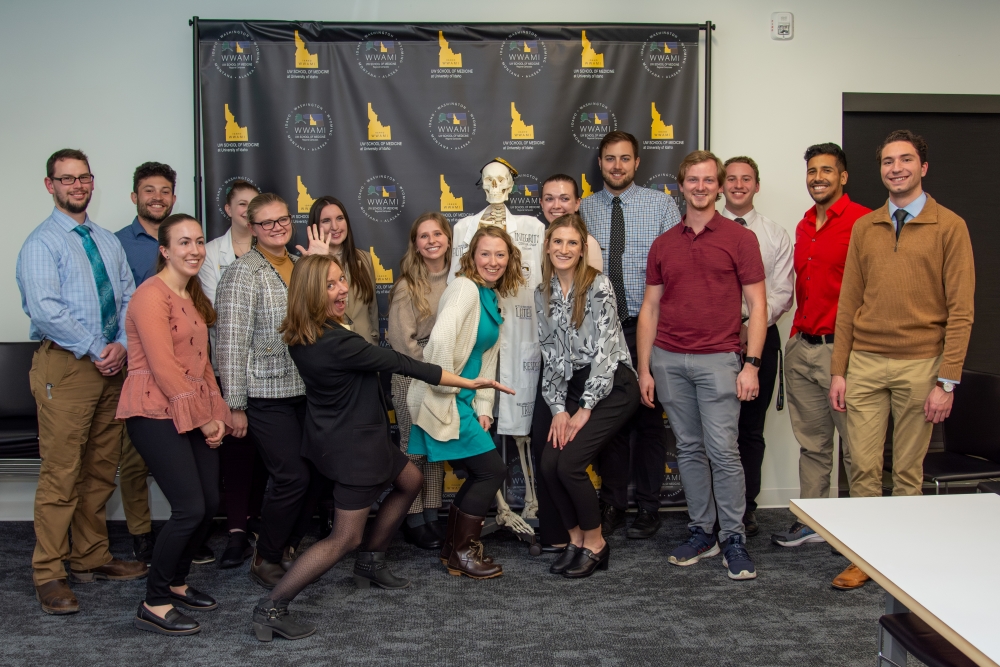
Dr. Fehrenkamp is particularly proud of building a collaborative maternal–infant research program at Idaho WWAMI and of mentoring trainees who have presented their work at regional and national conferences, including the annual meeting of the American Association of Immunologists. She also values her lab’s community-facing efforts to strengthen maternal health partnerships and raise awareness of disparities across the region.
“Watching students grow from learning facts to thinking like clinicians and scientists—asking better questions, making connections and gaining confidence—is my favorite part,” she says.
For Malinauskas, that mentorship speaks volumes. “Dr. Fehrenkamp is truly an amazing human,” she says. “Her impact on me is just a small testament to what she is trying to do for our community. She truly cares about maternal health and is fighting to support moms and babies while bringing awareness to health disparities.”
In Dr. Fehrenkamp’s lab, discovery is never abstract. It is embedded in Idaho communities, driven by curiosity and sustained by a deep commitment to the health of mothers, babies and the students who will one day care for them.