

Research Examines Caffeine Dosing in Infants with Congenital Heart Disease
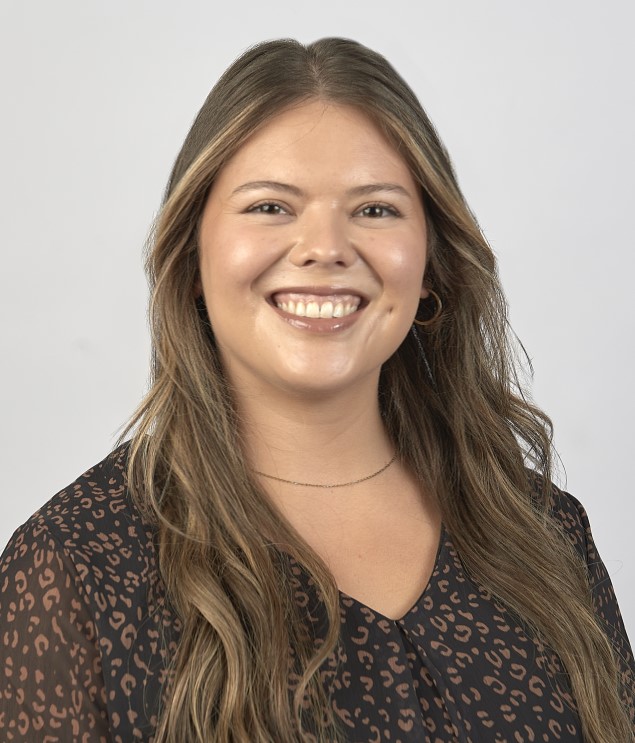
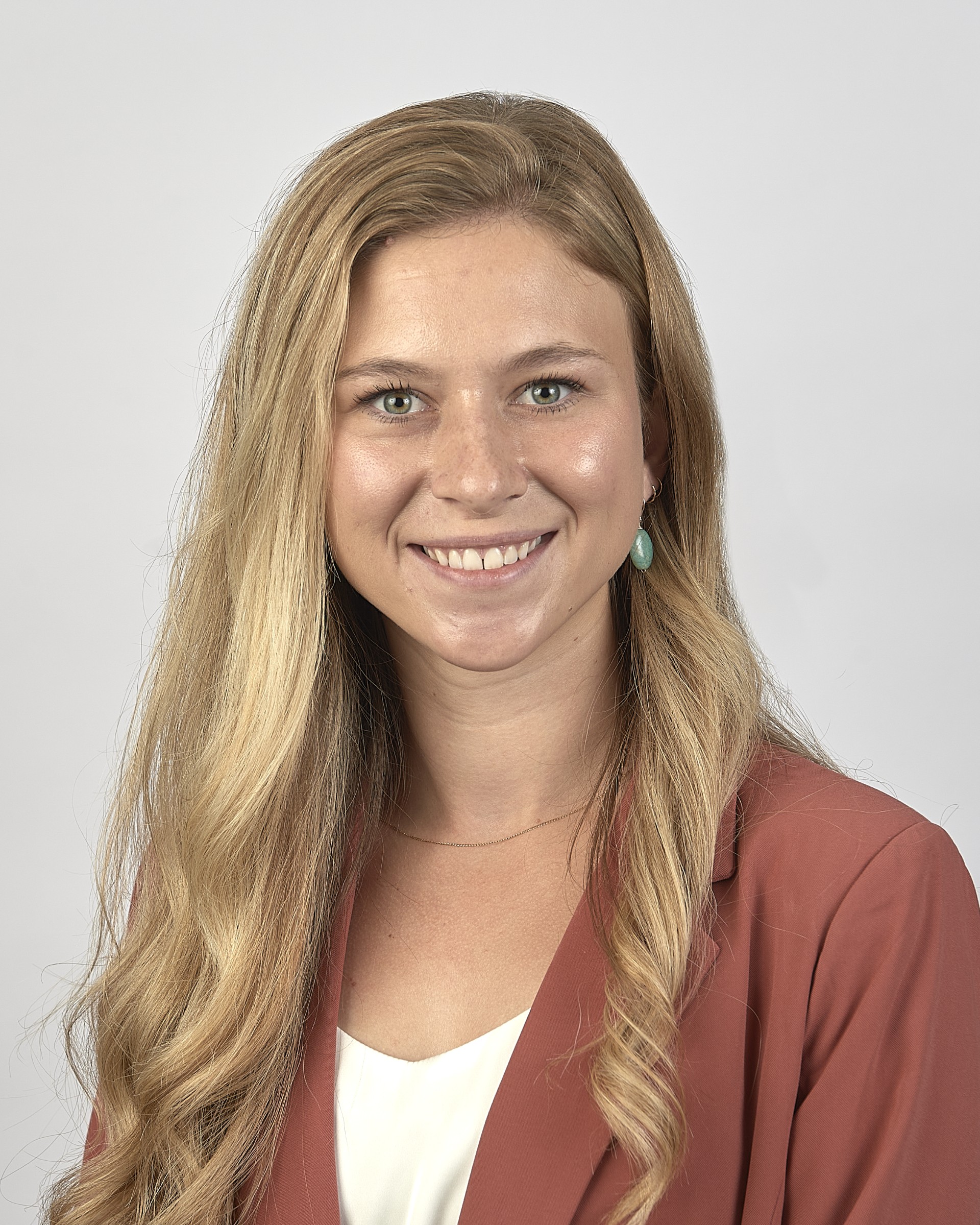
Two rising fourth-year Montana WWAMI students, Annalisa Hawk and Courtney Hallock are celebrating a significant academic milestone — contributing to a newly published paper in the Journal of Pediatric Pharmacology and Therapeutics, alongside MSU undergraduates and Duke University researchers. The potentially life-saving research focuses on optimal caffeine dosage for infants with congenital heart disease (CHD), providing real-world implications for newborn care.
“It was a very exciting feeling to have the paper published and know that I contributed to the science of moving medicine forward, especially for a vulnerable population,” Hawk said.
Nearly two years ago, Hawk and Hallock, members of the E2023 cohort, along with the rest of the team, began their work through the STAR (Summer Training in Academic Research) program – a prestigious partnership between Duke University and Montana State University.
“Newborns with heart disease process caffeine, and likely other medications, differently than other populations where there is more research,” said pediatric cardiac intensivist Dr. Elizabeth J. Thompson, assistant professor of pediatrics at Duke. “This highlights the importance of needing to study medications in this population so we can make sure we are using safe and effective doses.”
The research, led by Dr. Thompson, addressed a complex pediatric challenge: improving outcomes for newborns less than a month old undergoing cardiopulmonary bypass surgery.

“While all studies involving children encounter challenges, infants with CHD are particularly hard to study,” Dr. Thompson added. This study demonstrates a practical way to gain meaningful data in this vulnerable population. From the data we generate, we can make medication dosing safer and more effective, all with the ultimate goal of improving outcomes.”
Using mathematical modeling and residual blood samples, the research team found that infants with CHD metabolize caffeine at a different rate, suggesting standard hospital doses may be too low.
“This has motivated me to keep an open mind and a problem-solving mindset throughout my career,” said Hawk.
Collaboration for this study included contributions from Montana State University students Calla Castro, Jessminda DiCello, and Andrea L. Storer, as well as Duke researchers/faculty members Elizabeth Thompson, Henry P. Foote, Daniel K. Benjamin, Victoria E. Helfer, Rachel Sielaty, Kanecia Zimmerman, and Christoph P. Hornik.
“It was incredibly rewarding to work with Dr. Thompson and all the STAR mentors at DCRI (Duke Clinical Research Institute),” said Hallock. “They took us under their wing and helped provide us with opportunities we would not have had otherwise!”
“I was truly surrounded by some of the smartest, most kind, and innovative physicians, and it gave me a standard to try and live up to,” Hawk added.
Hawk and Hallock also presented the team’s findings at the Pediatric Academic Societies annual meeting in Honolulu, Hawaii, last year, sharing results with a national audience of researchers. Now, that work has culminated in a peer-reviewed publication, marking a significant step in bringing student-led research into practice.
“This was my first ever experience with research,” Hawk added, “so I personally see this as a major milestone in the progression of my career and ability to use clinical research and reasoning.”
This achievement also reflects Montana WWAMI’s commitment to preparing future physicians who contribute to advancing patient care from the very start of their training.