
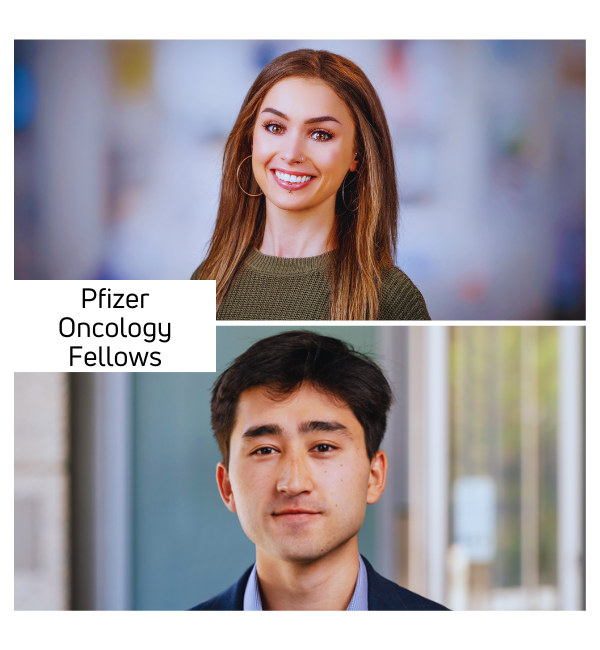
The University of Washington School of Medicine continues to advance its commitment to translational cancer research through strategic partnerships that invest in emerging scientific talent. One such effort is the Pfizer Oncology PhD Fellowship, a training initiative launched in 2025 in coordination with Fred Hutchinson Cancer Center to support exceptional predoctoral researchers whose work advances oncology and the development of novel therapeutics.
The fellowship supports two outstanding PhD trainees each year for a two-year period, providing sustained funding and professional development opportunities that allow fellows to focus on high-impact, cancer-related research. The program is designed to:
- Provide stable funding that enables trainees to pursue ambitious research
- Support the professional development of future leaders in cancer research
- Strengthen collaboration among Pfizer Oncology, Fred Hutch, and the UW School of Medicine
By investing in research trainees like Shyanne King and Arjun Kumar, the fellowship helps build a strong pipeline of researchers equipped to translate discovery science into advances that improve patient care.
Administered jointly by the UW School of Medicine Office of Research & Graduate Education and the Fred Hutch Office of Education & Training, the fellowship is financially supported by Pfizer Oncology. The program’s success highlights the shared value of collaboration across academia, clinical research, and industry.
Meet Inaugural Pfizer Oncology Fellow: Shyanne King
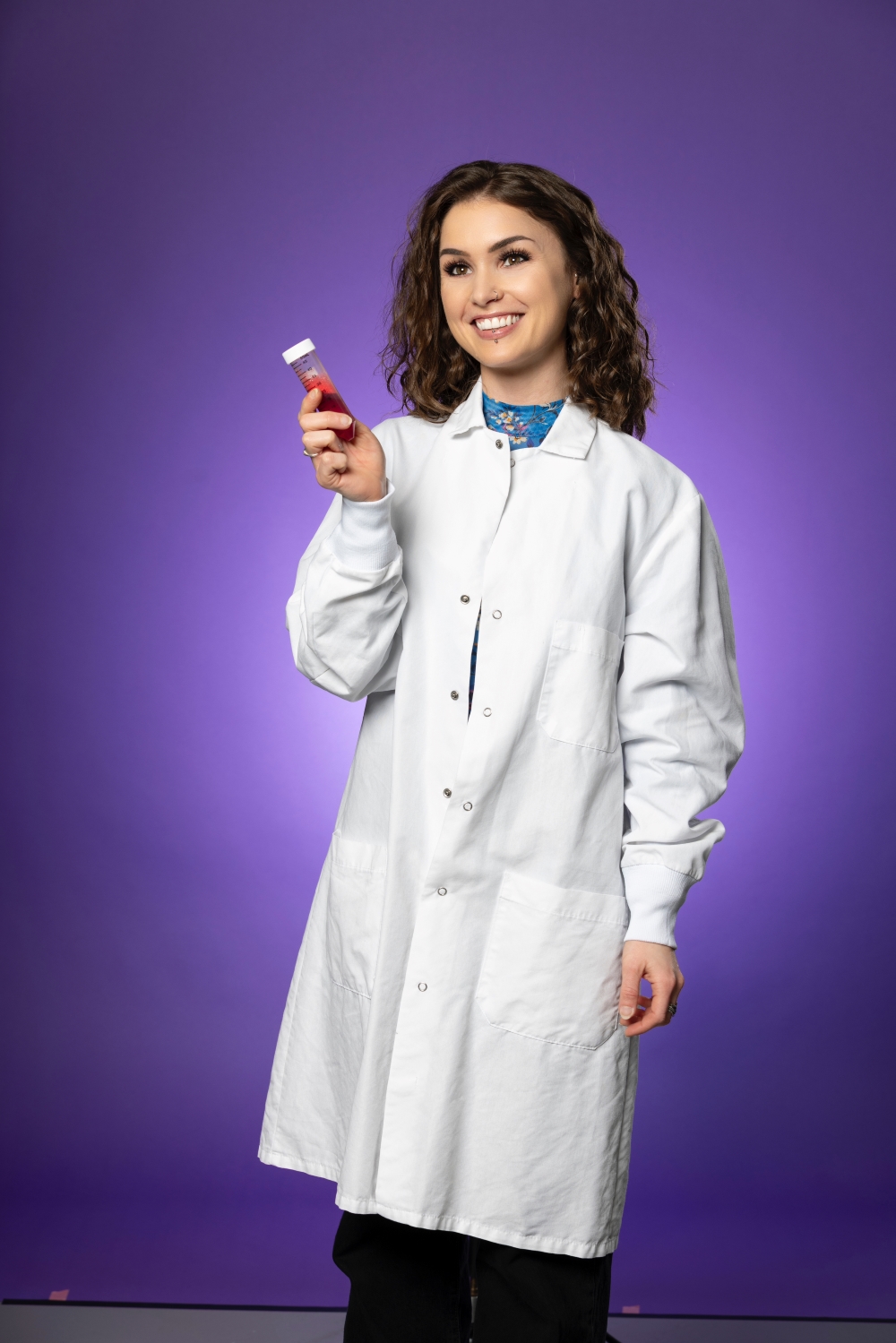
Shyanne King is a third-year PhD student in the Molecular Medicine & Mechanisms of Disease (M3D) program at the University of Washington and one of the first recipients of the Pfizer Oncology PhD Fellowship.
Originally from Phoenix, Arizona, King earned her undergraduate degree from the University of Arizona, where she double majored in Molecular & Cellular Biology and Ecology & Evolutionary Biology, graduating summa cum laude in 2022. She began her doctoral training at UW later that year, motivated by a desire to pursue research that bridges fundamental biology with clinical relevance.
That focus was shaped early in her training. As an undergraduate, King was a scholar in the NIH Maximizing Access to Research Careers (MARC) program, which supports students from underrepresented backgrounds pursuing biomedical research careers. Through MARC, she studied the nuclear functions of the receptor tyrosine kinase EGFR in triple-negative breast cancer under the mentorship of Joyce Schroeder, PhD—an experience that introduced her to translational cancer research and helped define her long-term goals.
 King’s doctoral research focuses on two enzymes responsible for a characteristic mutation pattern found in more than 70 percent of human tumors. These mutations drive tumor heterogeneity and evolution, increasing the risk of drug resistance and metastasis. By studying how these enzymes interact and identifying the cellular mechanisms that regulate their activity, King aims to uncover new therapeutic opportunities to slow tumor evolution and improve clinical outcomes.
Beyond the fellowship, King has been recognized for her scientific excellence and leadership through multiple honors, including selection to the Husky 100 Class of 2025, the Best Science/Innovation Fast Pitch Award at the Translational Development Series Innovation Research Conference, and several competitive academic and travel awards.
“The Pfizer Fellowship has had a profound impact on my training and experience at the University of Washington. The financial stability it provides allows me to fully dedicate my time and energy to my research and professional development, rather than balancing external funding concerns. This support has given me the freedom to take intellectual risks, pursue ambitious experiments, and engage more deeply with complex scientific questions.
Beyond the research itself, receiving fellowship affirmed my sense of belonging in the scientific community. As a first-generation scholar, the recognition from Pfizer increased my confidence as an emerging scientist and reinforced my commitment to pursuing impactful, translational research. The fellowship also opened doors to valuable mentorship, professional development, and networking opportunities, broadening my perspective on career paths at the intersection of academia, industry, and science communication. Overall, the Pfizer Fellowship has been instrumental in shaping my growth as a researcher and preparing me for the next stage of my career.”
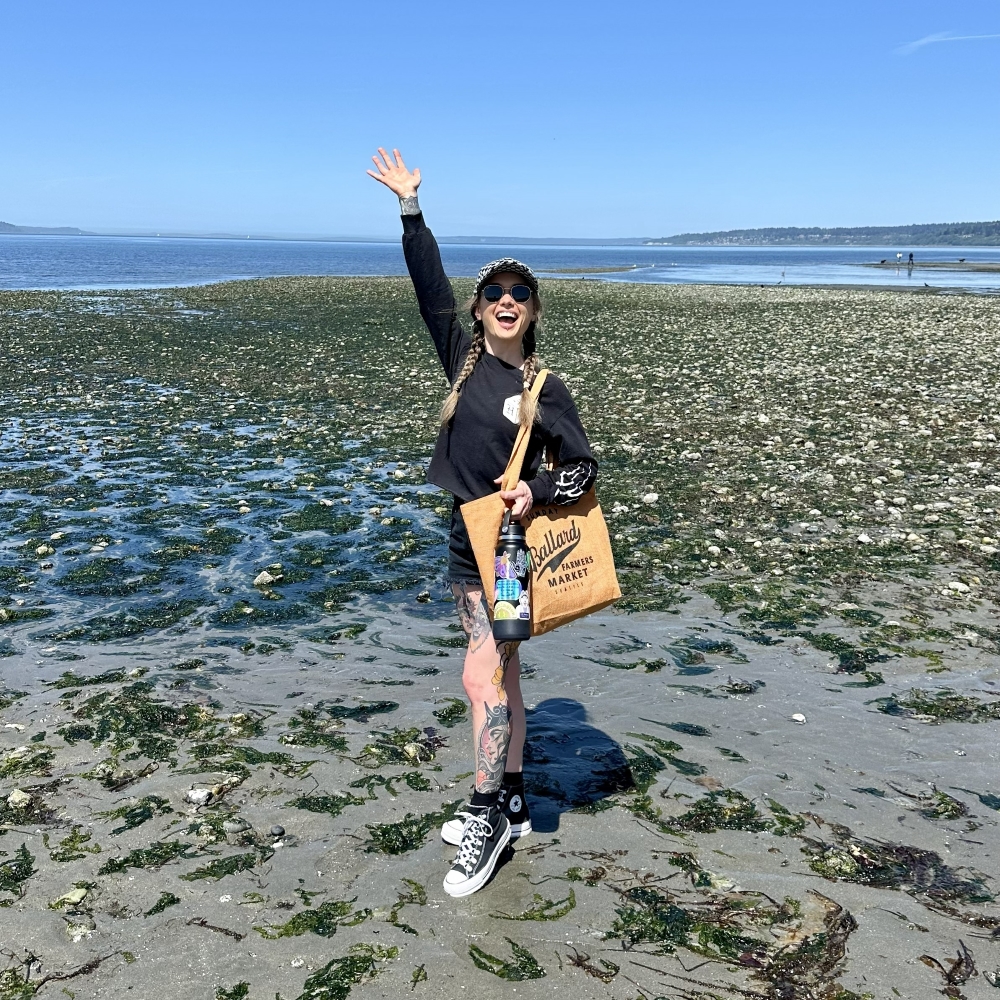
Outside the lab, she enjoys hiking, attending concerts, experimenting with new recipes and hosting dinner parties, reading science fiction, playing board games with friends, and spending time with her cat—activities that help her recharge while balancing the demands of graduate training.
Meet Inaugural Pfizer Oncology Fellow: Arjun Kumar
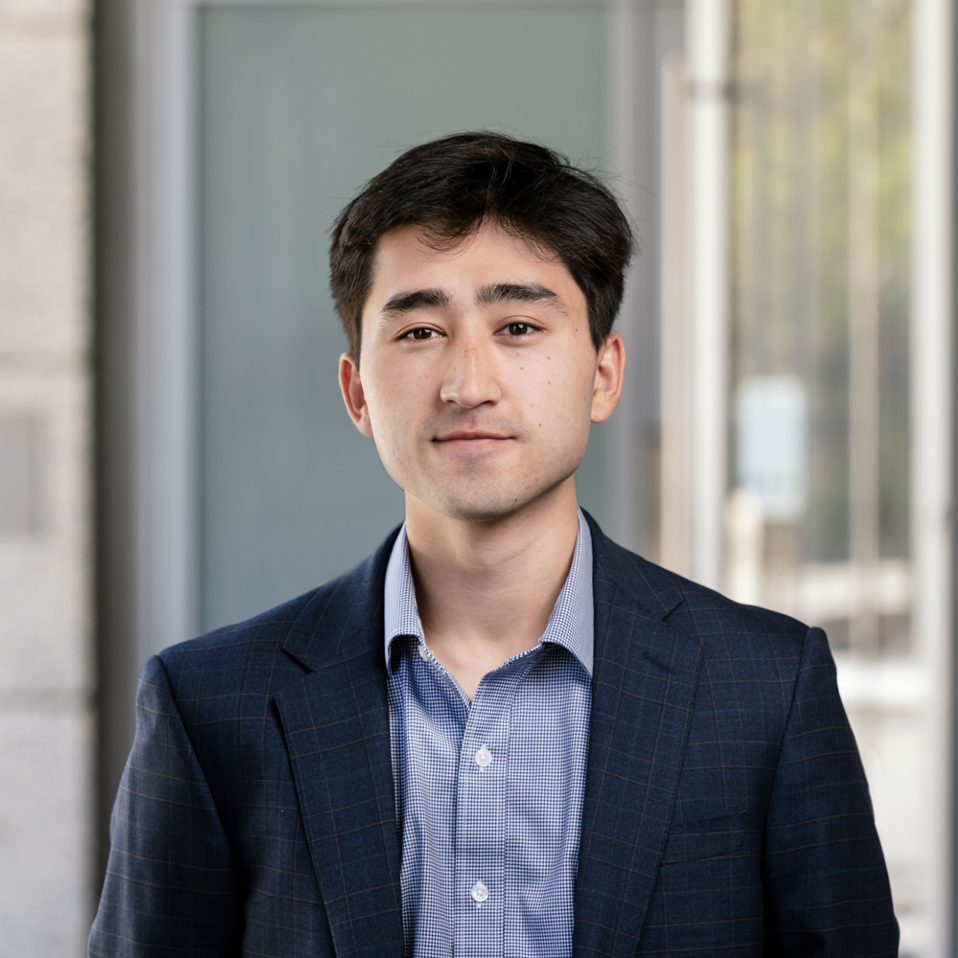
Arjun Kumar is a PhD student in UW Molecular & Cellular Biology program and one of the inaugural recipients of the Pfizer Oncology PhD Fellowship.
In the lab of Hao-Yuan Kueh, Kumar studied the mechanisms of T-cell exhaustion, a dysfunctional state that arises when T cells are chronically exposed to antigens such as cancer or persistent infections. Over time, exhausted T cells lose their ability to fight disease and increase expression of molecules that suppress immune activity—making this work critical for advancing next-generation immunotherapies.
“Regular engagement with the Pfizer Oncology team helped enable us to thoughtfully translate our work toward patients and extend it to additional treatment formats where Pfizer Oncology has deep expertise,” Kumar says.
Kumar also acknowledges that the Pfizer Oncology Fellowship has been a tremendous enabler of his graduate training saying:
“When my PhD thesis advisor, Hao Yuan Kueh, moved to Yale, the fellowship’s flexible support allowed me to transition seamlessly to Evan Newell’s lab at Fred Hutch. This made it possible for me to remain in Seattle while continuing our promising research under the guidance of both PIs.
As a graduate student motivated to make an impact in the biotechnology industry, my interactions with scientists on Pfizer’s ADC Discovery team have been a particular highlight. Pfizer researchers have been exceptionally generous with their time and advice—encouraging us to think critically about maximizing the impact of our science while sharing their own experiences developing transformative treatments for solid tumors.
At a time when federal research funding faces ongoing uncertainty, we are deeply grateful that Pfizer Oncology has stepped forward to make a meaningful investment in graduate education and biomedical research within the Seattle scientific community.”
Born and raised in Seattle, Kumar was introduced to science through outreach programs at UW, Fred Hutch, and Seattle Children’s. After completing his undergraduate education and working in the Bay Area, he returned to UW for his PhD, drawn by the region’s strong commitment to patients, public health, and immunotherapy research.
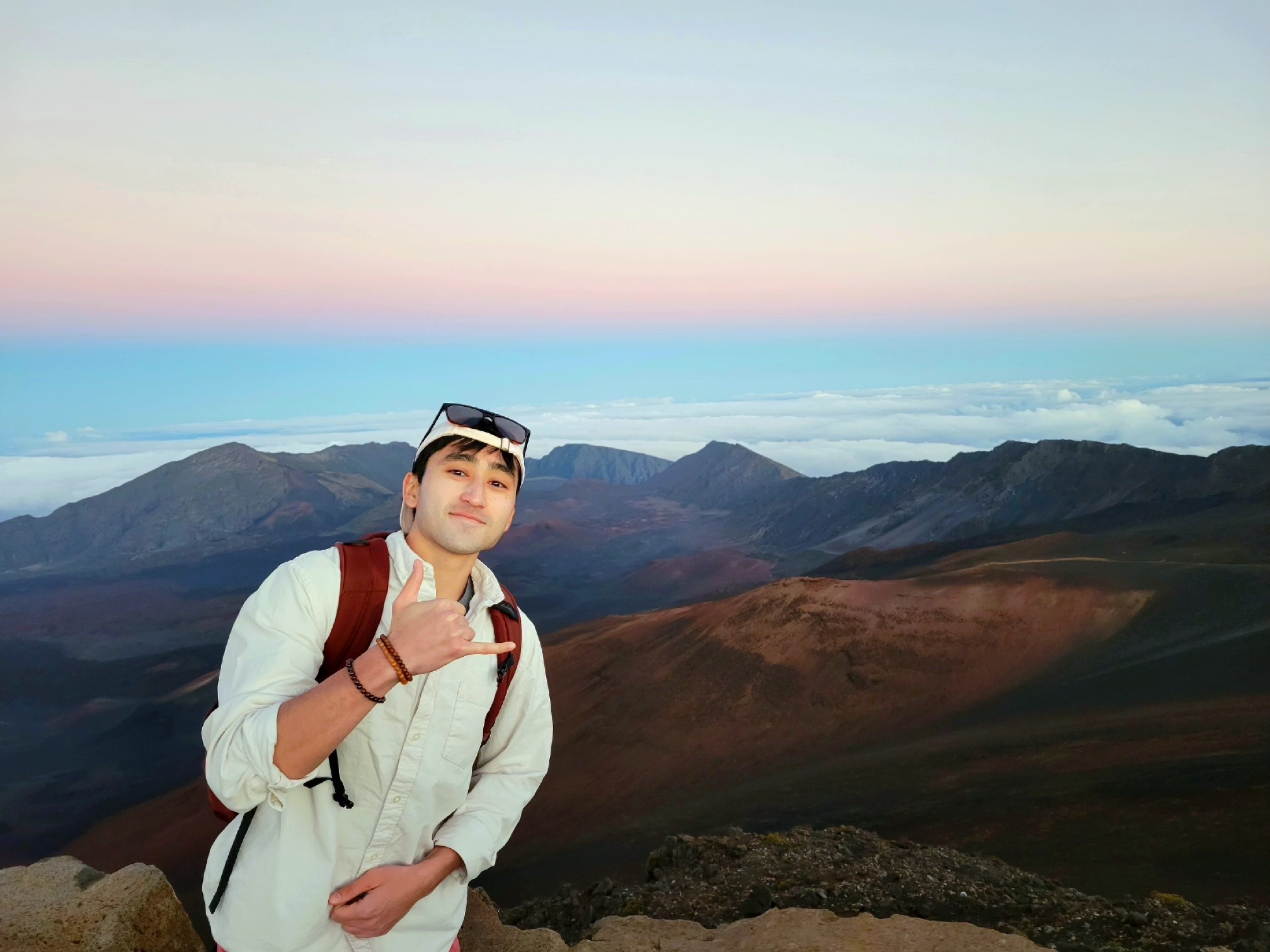 Kumar credits Professor Kueh’s mentorship for encouraging bold ideas and creativity in the lab, describing the fellowship as “a reflection of the rich and nurturing scientific environment” Kueh built. Now at Fred Hutch, he’s greatly appreciative of the opportunity to work with researchers like Professors Evan Newell and Shivani Srivastava to continue translating his research toward patients.
Outside the lab, Kumar is a former international Japanese taiko drummer and enjoys running, rock climbing, skiing, live music, and mentoring. With support from the Pfizer Oncology PhD Fellowship, he is excited to bring basic science discoveries closer to patients and continue advancing innovative cancer research.