
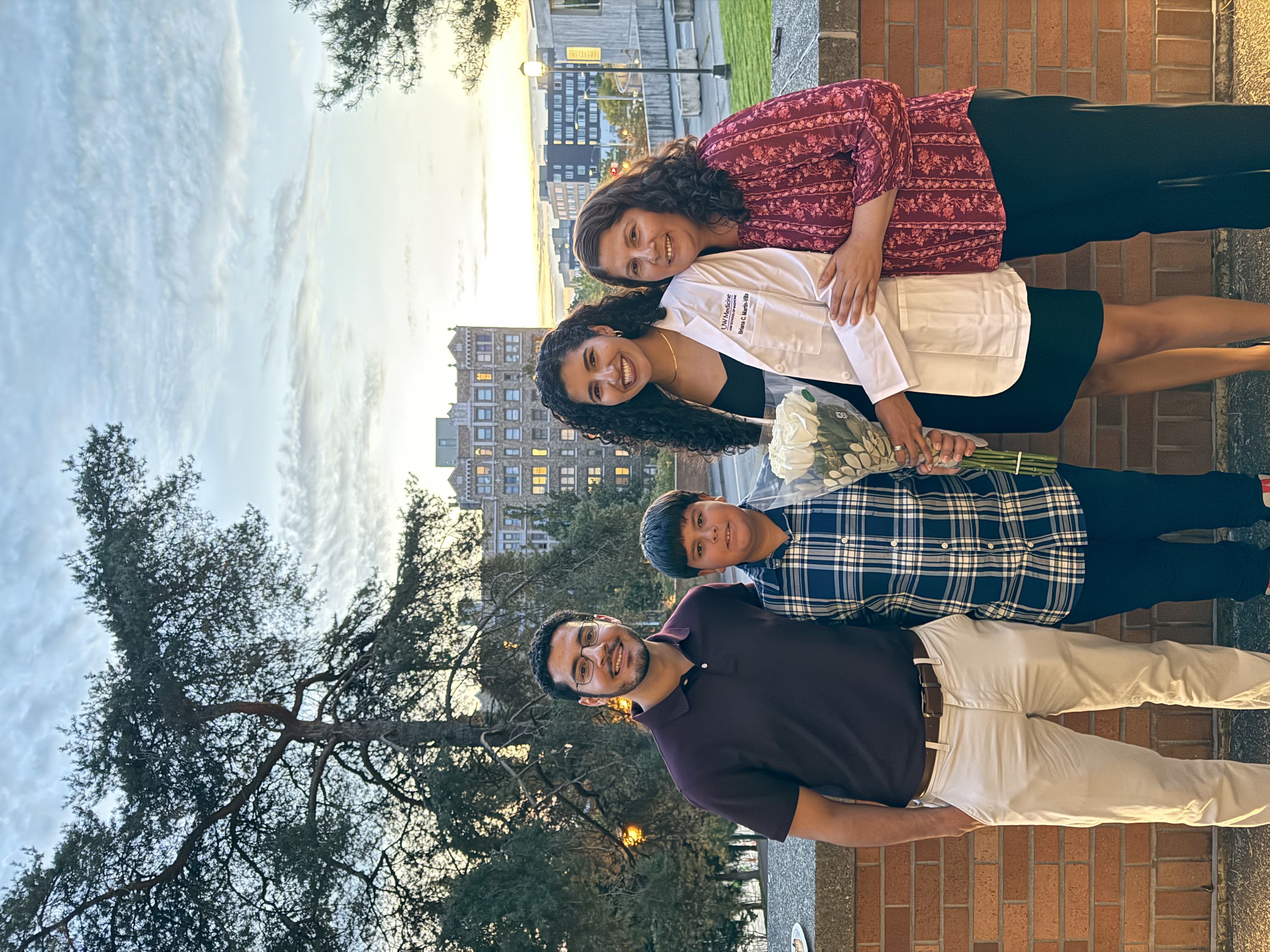
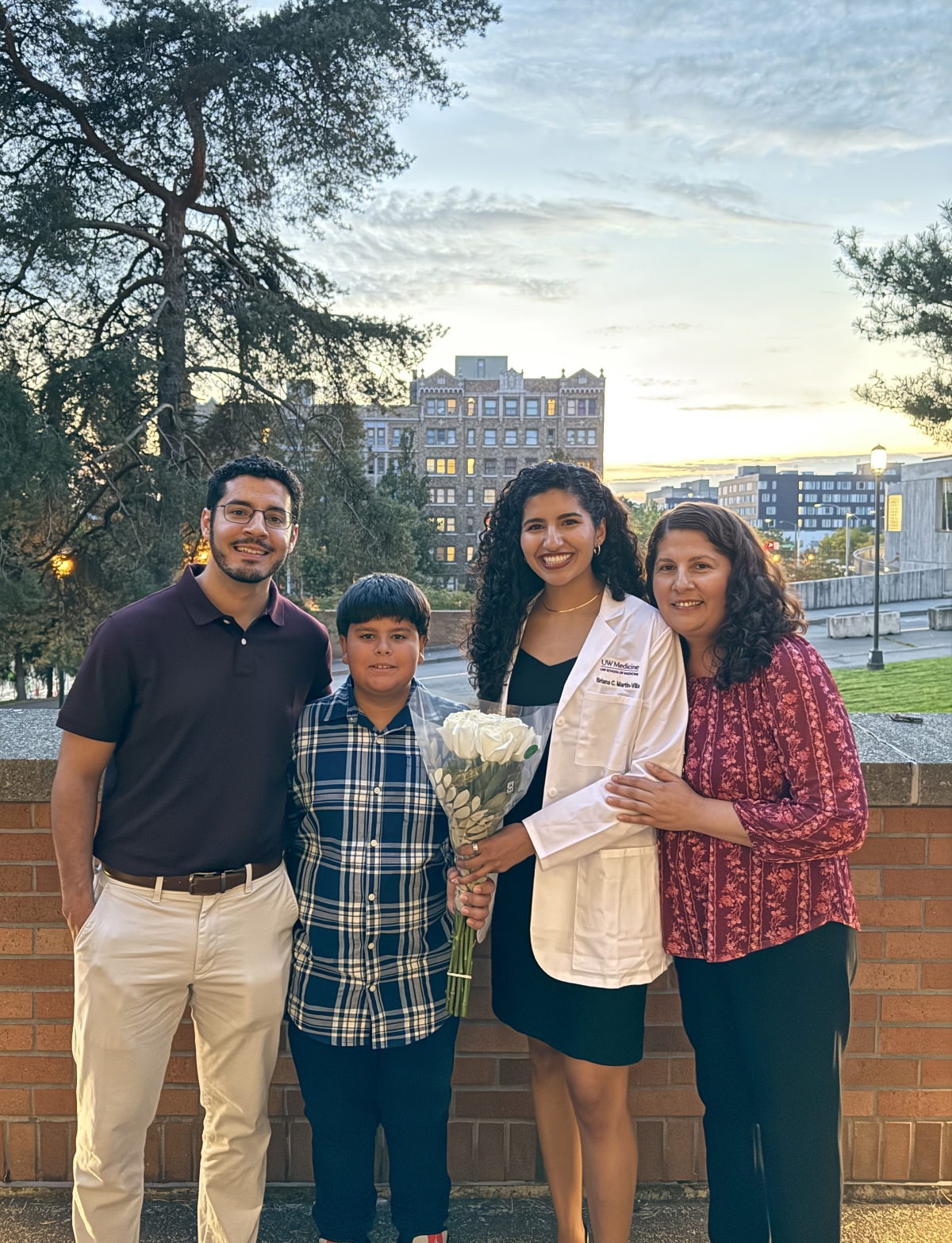
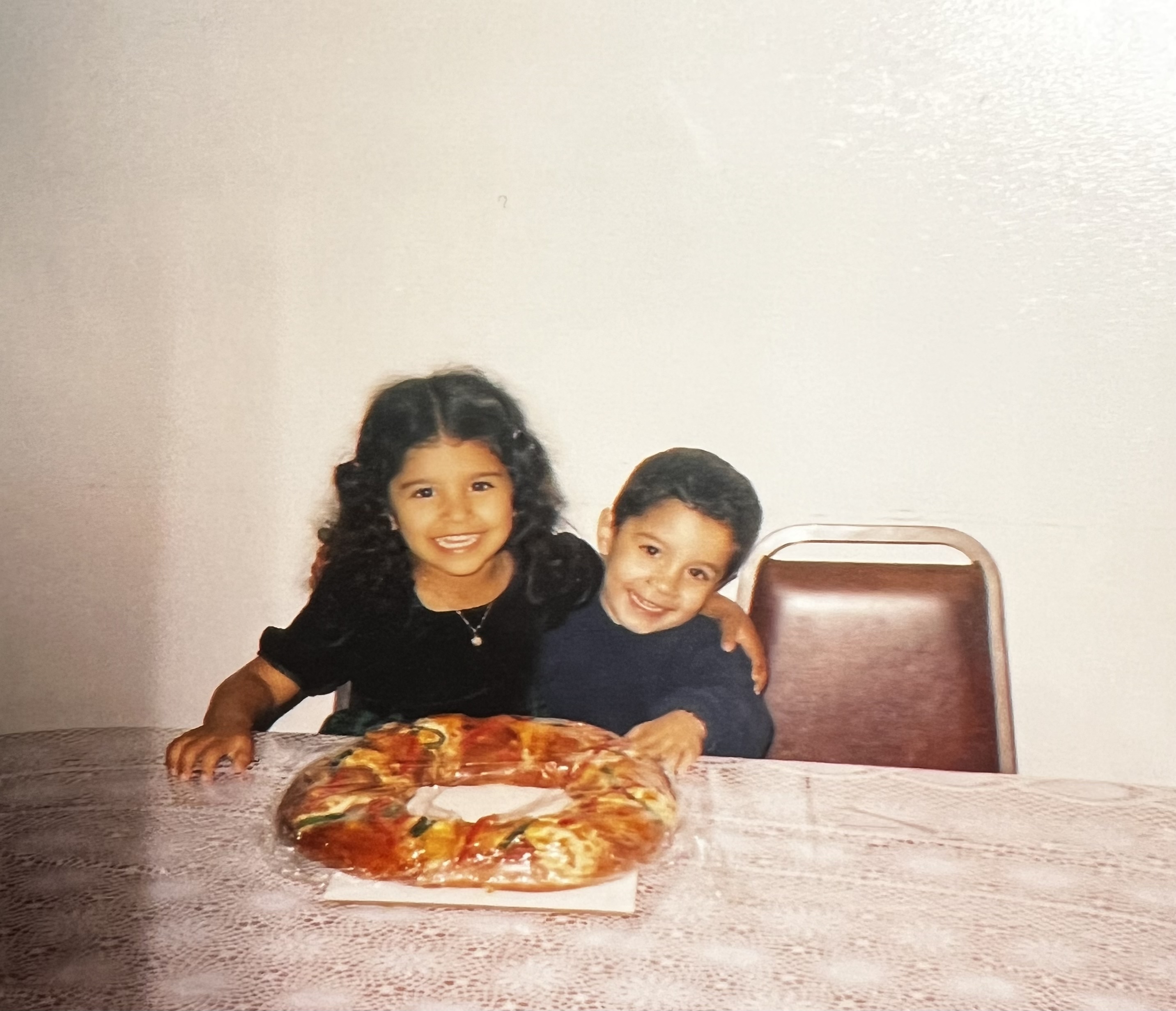
The first lessons Briana Martin-Villa learned about health didn’t come from a classroom. They came from long days in orchards, working alongside her mother and twin brother as their family migrated between California’s Central Valley and Eastern Washington following seasonal harvests. There, she saw the realities many farmworkers face: physical strain, pesticide exposure and illnesses that often went untreated.
“My lived experiences fuel my commitment to addressing health inequities in rural and farmworker communities,” said Martin-Villa.
Now a first-year medical student at the University of Washington School of Medicine (UWSOM) and a 2026 recipient of the prestigious Paul & Daisy Soros Fellowship for New Americans, Martin-Villa intends to continue building on a lifelong dedication to giving back to the communities that helped shape her.
Awarded annually to a select group of graduate students across the United States, the Paul & Daisy Soros Fellowship supports immigrants and children of immigrants who are “poised to make significant contributions to US culture, society and academia.”
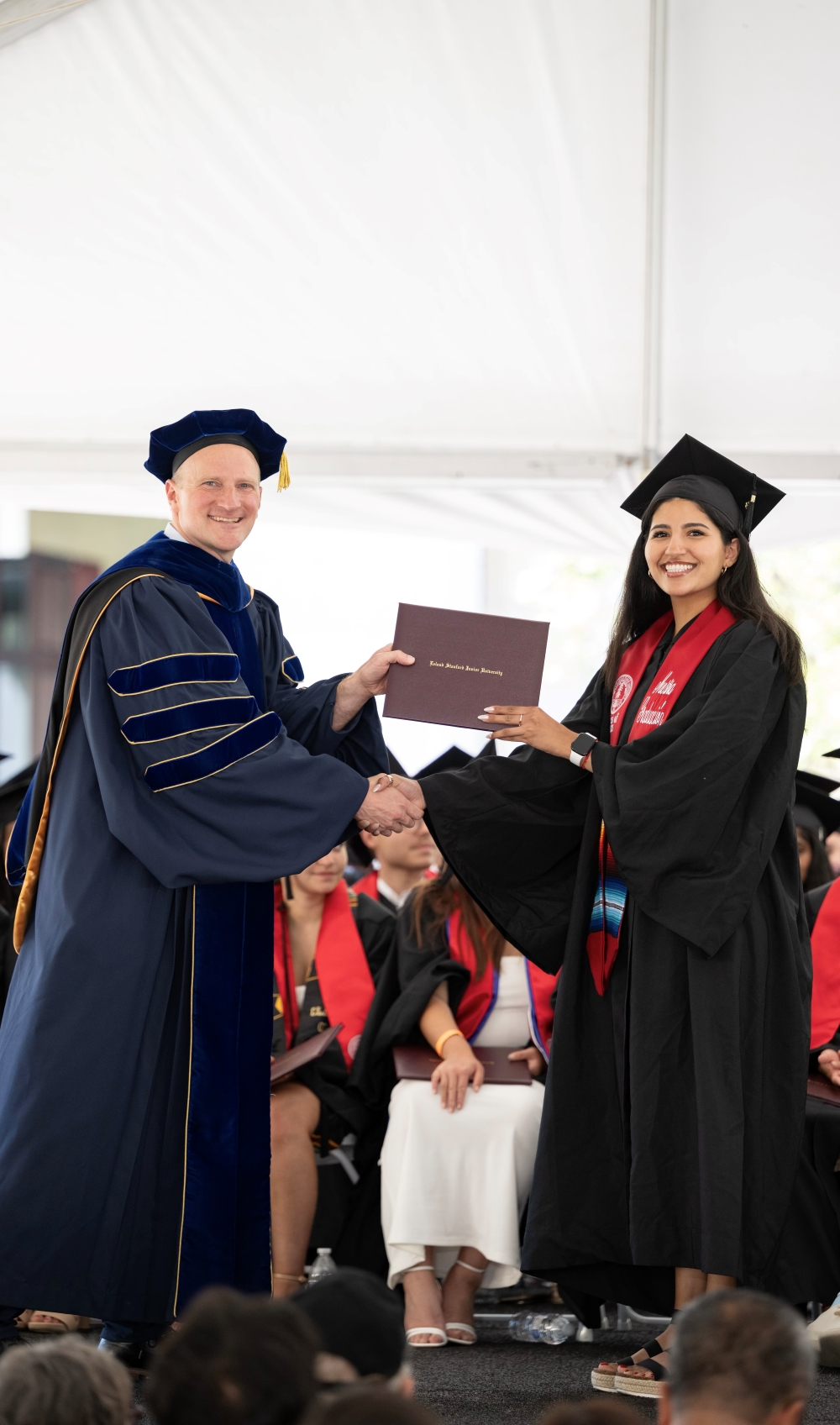
As a first-generation college student, Martin-Villa attended Stanford University, where she studied bioengineering. In the laboratory of Professor Sarah Heilshorn, she engineered intestinal organoids to study how the gut repairs itself following radiation and chemotherapy. The research offered insights into recovery after cancer therapy but also raised questions for her about who ultimately benefits from scientific discovery.
“In the lab, I saw that scientific advancement is only as powerful as its accessibility,” Martin-Villa said.
That realization helped shape the direction of her research. Working with pediatric oncologist Dr. Stephanie Smith, Martin-Villa co-developed a culturally sensitive, linguistically tailored communication intervention designed to improve how Latine childhood cancer survivors and clinicians engage in care. Developed in partnership with a community organization, the approach centers families in survivorship care discussions. A clinical trial is planned to formally evaluate the model, and Martin-Villa has presented the work at both national scientific conferences and community events.
While at Stanford, she also co-founded BioJam CoLABS, a biodesign summer program for youth from California’s Salinas Valley—many from farmworking families like her own. Through hands-on projects and community dialogue, students explored challenges such as reducing pesticide exposure in agriculture and considered how science and design could address local concerns.
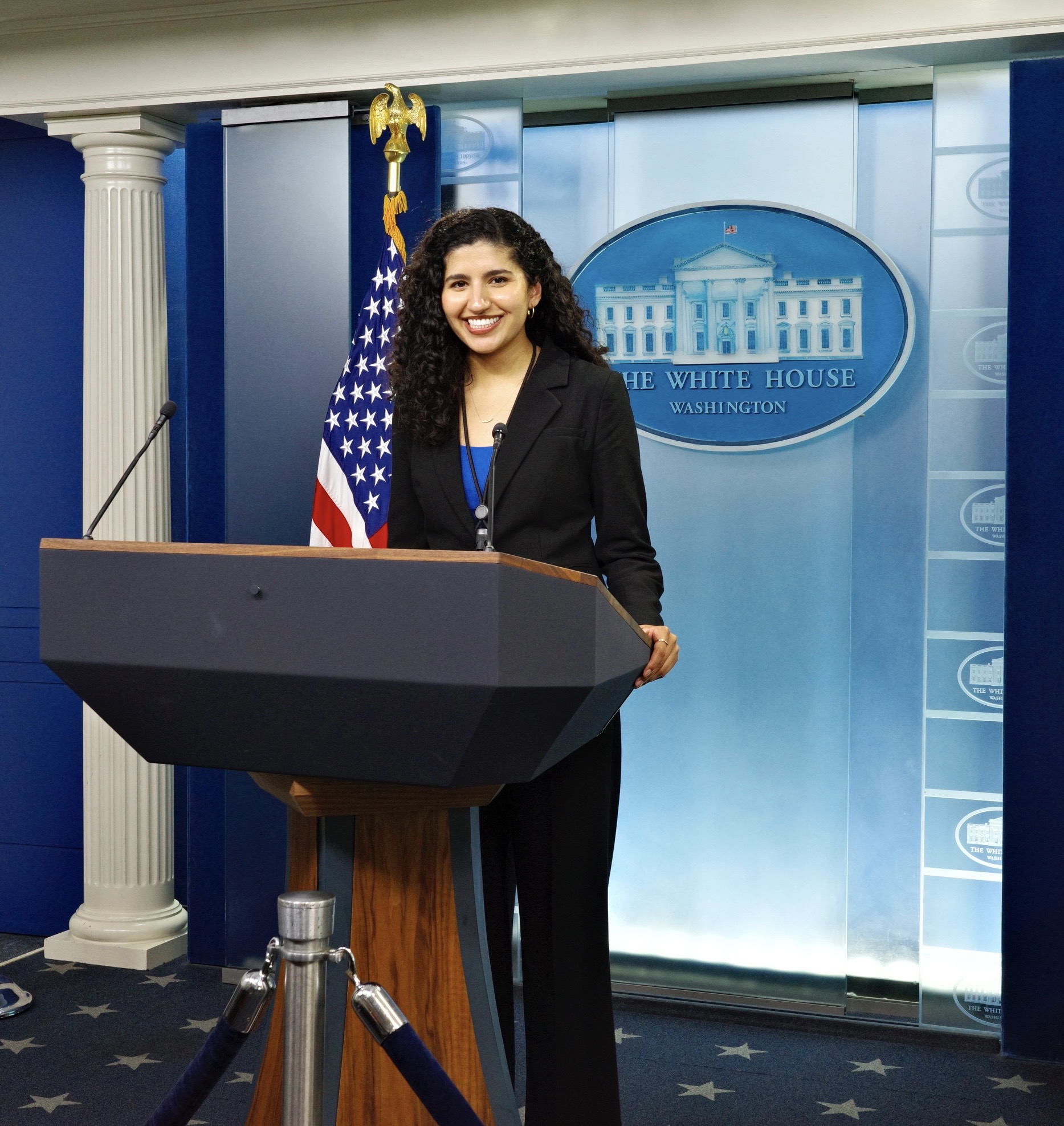
After graduating from Stanford, Martin-Villa continued her work in public service as a John Gardner Public Service Fellow at the White House Office of Science and Technology Policy. As the youngest staff member and the only Latina on the Health Outcomes team, she worked on initiatives aimed at increasing participation in biomedical research and supporting the Biden Cancer Moonshot. She also helped organize national events, including the inaugural White House Minority Health Forum and the White House Clinical Trials Forum. Notably, she delivered the first-ever Spanish-language remarks on behalf of the Cancer Moonshot to engage the Latine community.
As she progresses through her first year of medical school, Martin-Villa says the UW School of Medicine’s WWAMI medical education program played a key role in her decision to attend.
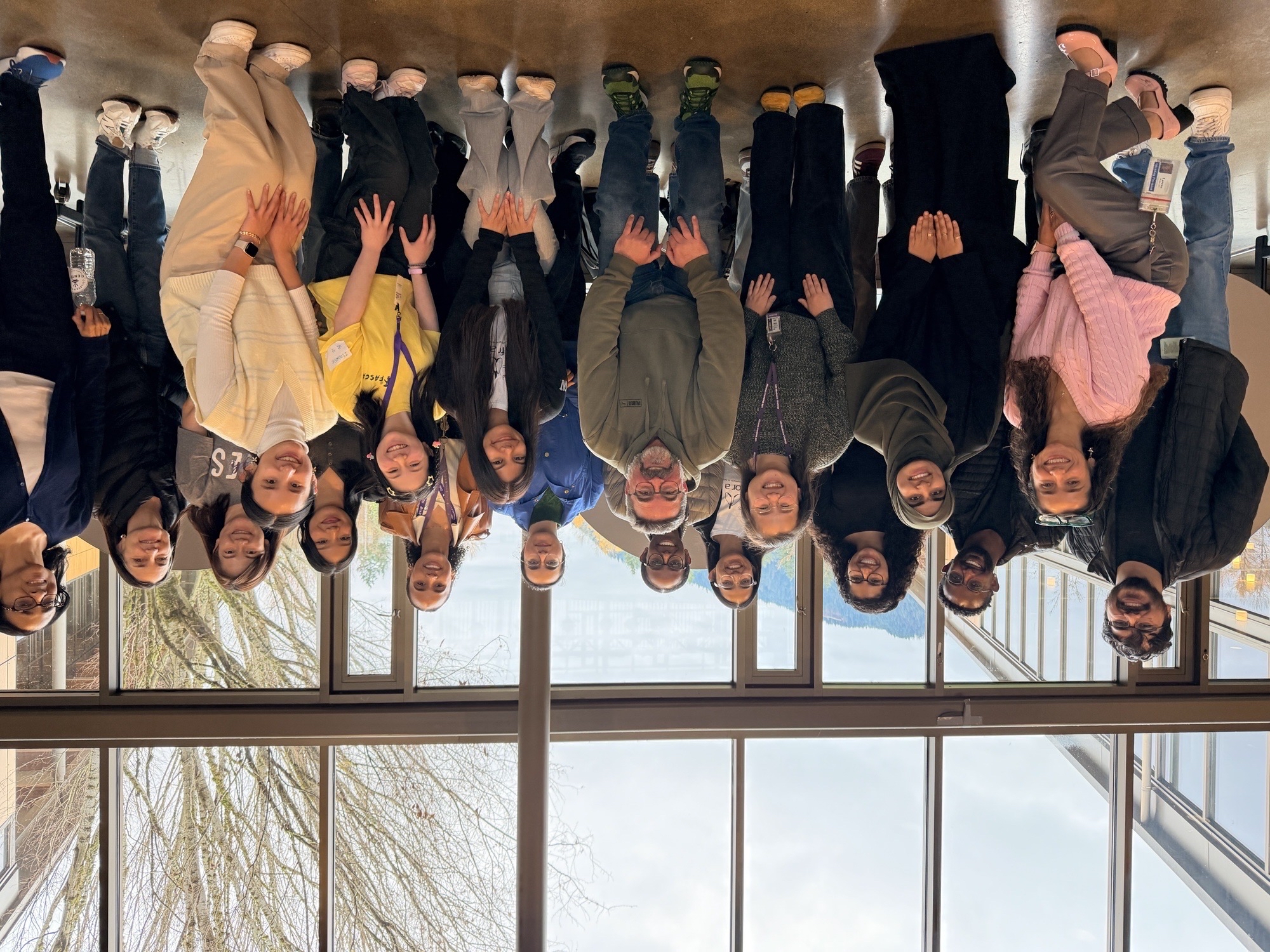
“I was drawn to UW’s WWAMI model, where I have the opportunity to train across rural and urban communities in a five-state region [Washington, Wyoming, Alaska, Montana and Idaho] while developing skills to provide community-based care,” she said. “I also chose UW to be closer to my family and to begin my training in communities like the ones I grew up in.”
As a UWSOM student, Martin-Villa has gotten involved with several projects designed to enrich her medical education while providing meaningful opportunities to serve others. She currently acts as a co-lead for Doctor for a Day, which introduces K–12 students to health careers through hands-on activities. She also works as co-manager of the Casa Latina Clinic within the Student Health Initiative for Access (SHIFA), a student-run clinic that provides care to underserved communities in King County.
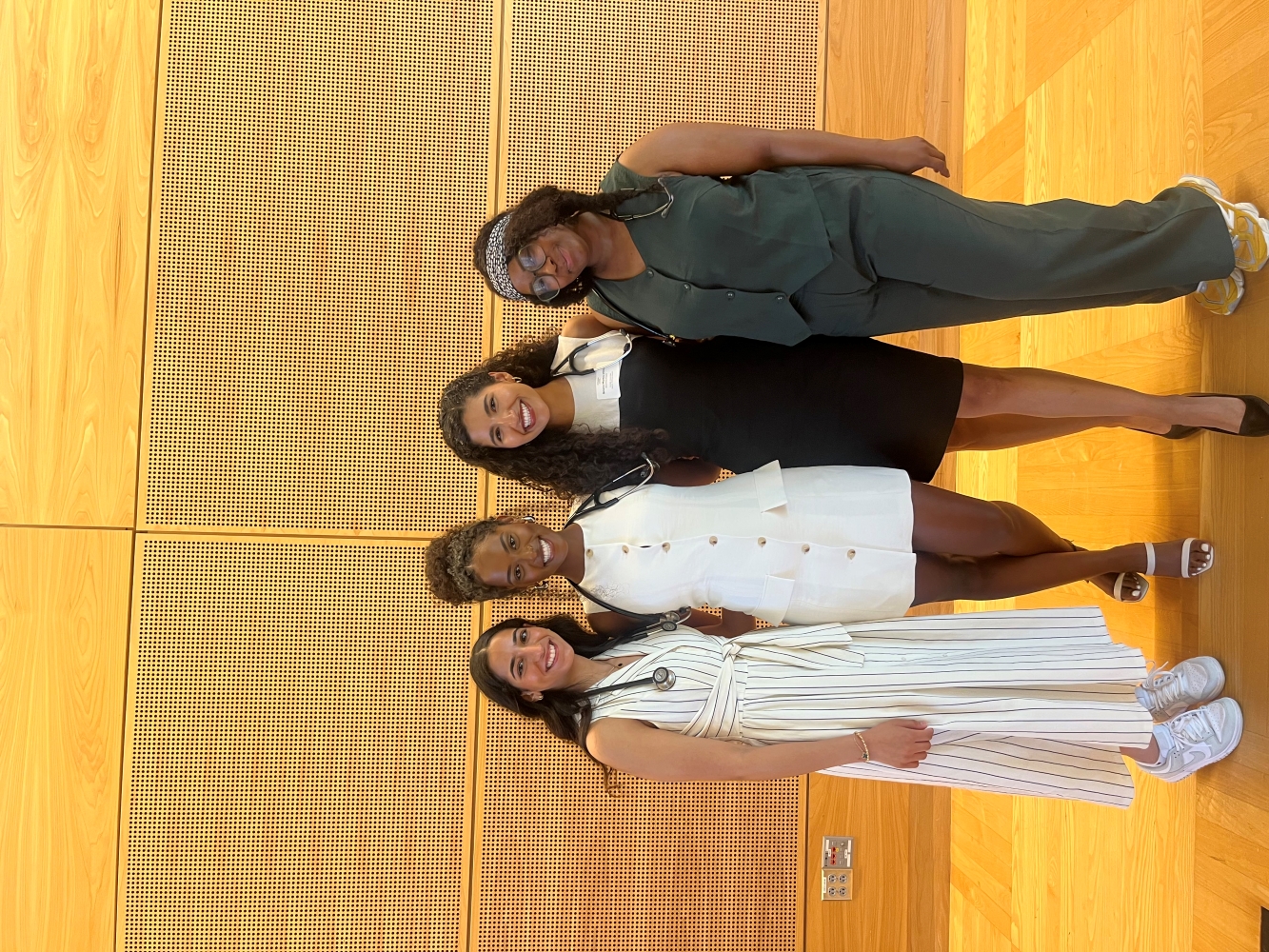
“At Casa Latina, I engage directly with the Latine community to provide free health screenings, support culturally responsive health education and facilitate connections to longitudinal care and local resources,” Martin-Villa explains.
Alongside her coursework and community work, Martin-Villa continues collaborating with the Collaborative Community Optimizing Survivorship (CoCOS) Lab at Stanford, where she applies human-centered design approaches to improve long-term care engagement among childhood cancer survivors.
Martin-Villa is currently exploring several potential specialties, including surgery and primary care, while also remaining interested in research.
“I am interested in continuing to conduct research as a way to advocate for system-level change and policy reform. Ultimately, I hope to integrate research, community engagement and clinical care to improve outcomes for historically marginalized communities and ensure that discoveries are informed by and responsive to community needs,” she explained.
Receiving the Paul & Daisy Soros Fellowship, she said, is both an honor and a reminder of the community that shaped her.
“As the daughter of Mexican immigrants, it is a profound honor to represent my community and to receive support that allows me to continue doing the work I love while creating opportunities to uplift others,” Martin-Villa said. “I’m excited to learn from and grow alongside the other fellows as I continue my medical training.”