

Each year, the Husky 100 recognizes 100 undergraduate, graduate, and professional students from across all UW campuses and areas of study. Applications are considered holistically, taking into account how students are making the most of their UW experience—both in and out of the classroom.
This year, the UW School of Medicine is proud to have six graduate and professional-level students recognized. You can read more about the 2026 UWSOM recipients below, or view full list of 2026 Husky 100 awardees.
Buddy Kalanikumupa’a Seto-Myers (MD Program)
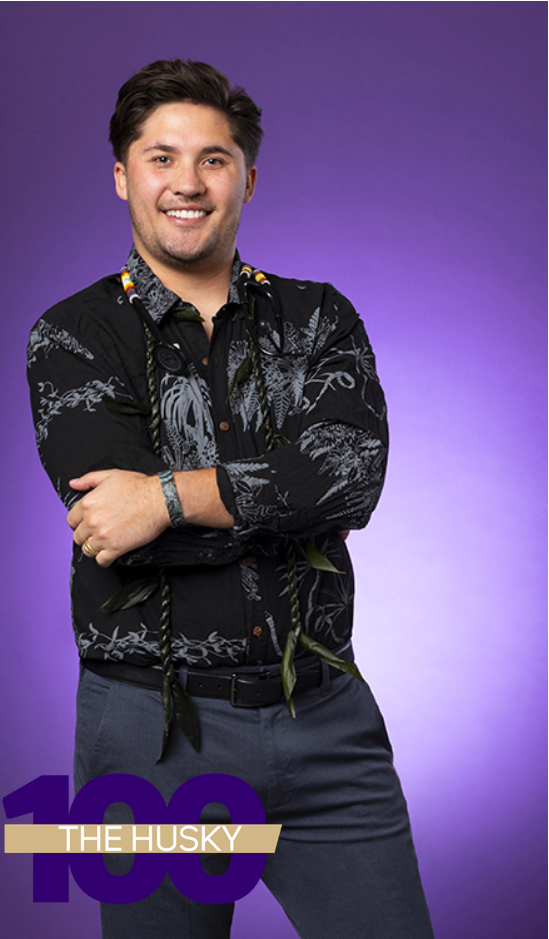
“Aloha nō! As a Kanaka ‘Ōiwi (Native Hawaiian) medical student, I am beyond grateful for the opportunities I have received at the UW; from my years as a researcher in the School of Social Work to my time as a medical student, this university has nourished my journey toward becoming a physician and a leader in Indigenous health. I am especially grateful for my mentors in the Ola Pasifika Lab, the Indigenous Wellness Research Institute, the Center for Indigenous Health and the Indian Health Pathway. Through all, I am proud to join the UW’s exceptional network of Indigenous health experts dedicated to a healthy future for Indigenous communities.”
Nevin C. Kalaf (MD Program)
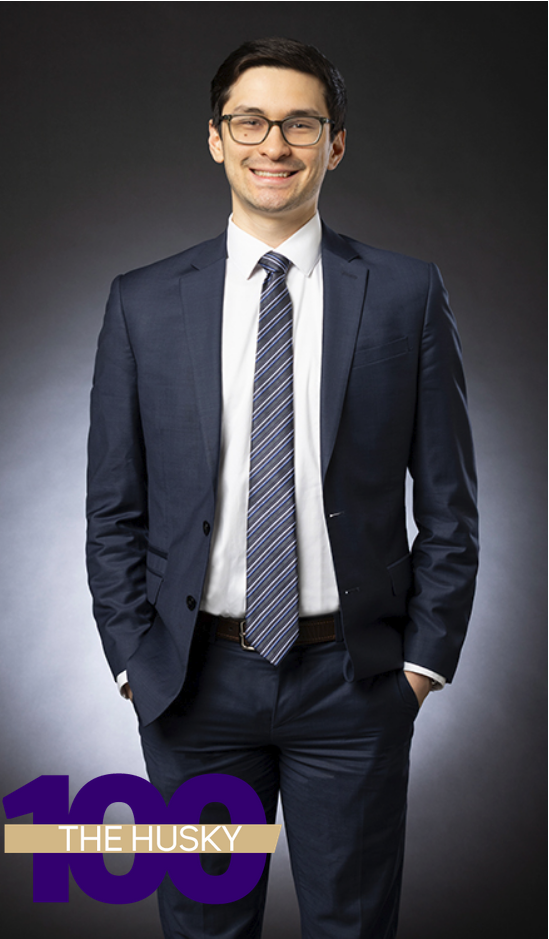
“As the first member of my Thai-American family to attend medical school, I hold a deep appreciation for my experiences at the UW that have shaped my professional identity and inspired my purpose in medicine. From collaborating on research with experts across the nation to implementing local community health interventions and bringing music to the bedside for our hospitalized patients, my UW journey has taught me to approach complex health challenges across both population and individual levels while honoring humanity at the heart of health care. Now, as I prepare for residency and a career in academic surgery, I remain dedicated to advancing patient care and medical education through clinical excellence, research and teaching — paying forward the mentorship that shaped my own path and upholding the immense privilege and responsibility I have to care for patients.”
Hank Cheng (MD/PhD Genome Sciences)
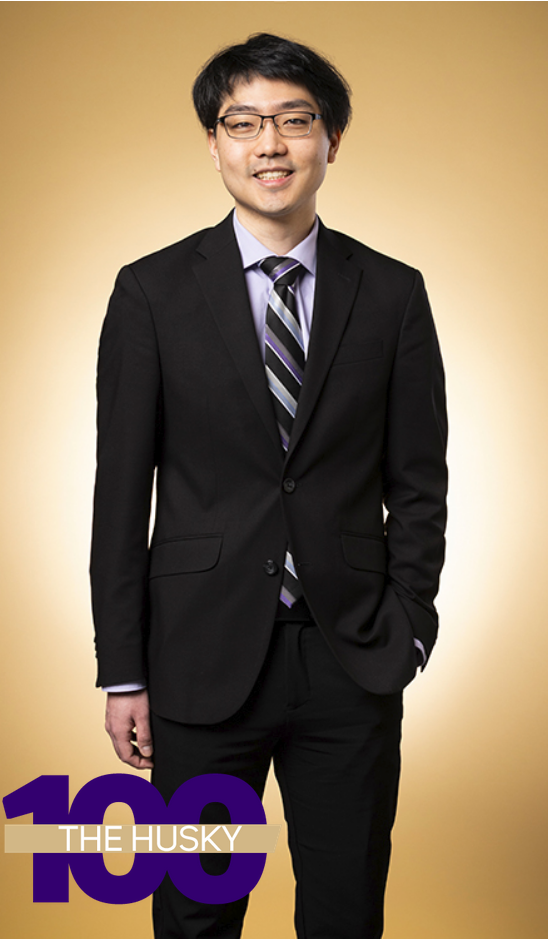
“Growing up in a low-income immigrant family, I learned how much small acts of service can matter in helping people feel seen and cared for. At the UW, I have tried to carry that forward by leading free tutoring services, serving patients and families through volunteering and contributing to medical genetics research to make rare disease diagnosis more accessible. I am deeply grateful to my family, mentors and the UW communities whose support has shaped me and made this path possible.”
Miguel Paredes (MD/PhD Epidemiology)
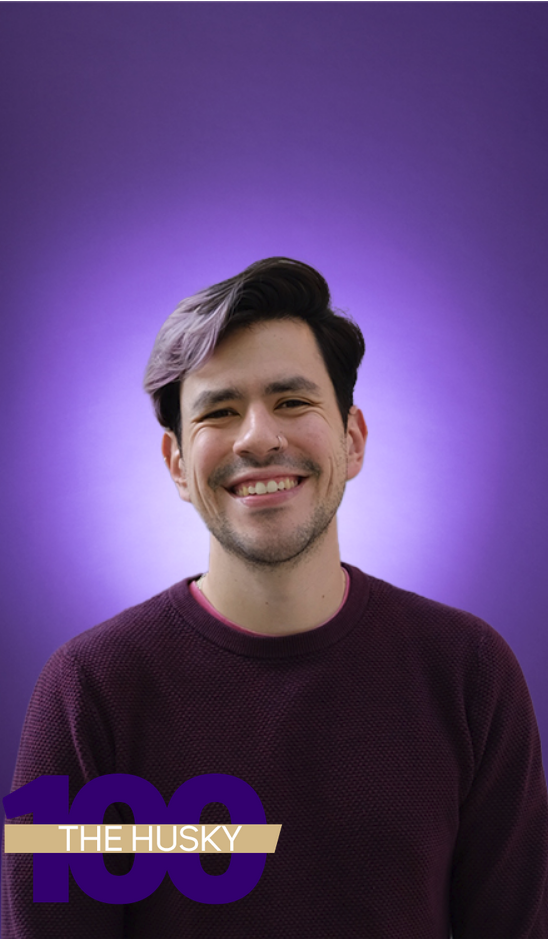
“My time at the UW has taught me that research and clinical care should be both community-informed and community-centered. Throughout my PhD, I helped uncover how viruses such as mpox and SARS-CoV-2 spread within marginalized communities by exploiting social inequities, both locally and globally. As an aspiring physician-scientist, I hope to continue developing innovative solutions for infectious diseases while providing care that tackles both the biological and social barriers to equitable health.”
Kristin Weinstein (PhD Immunology)
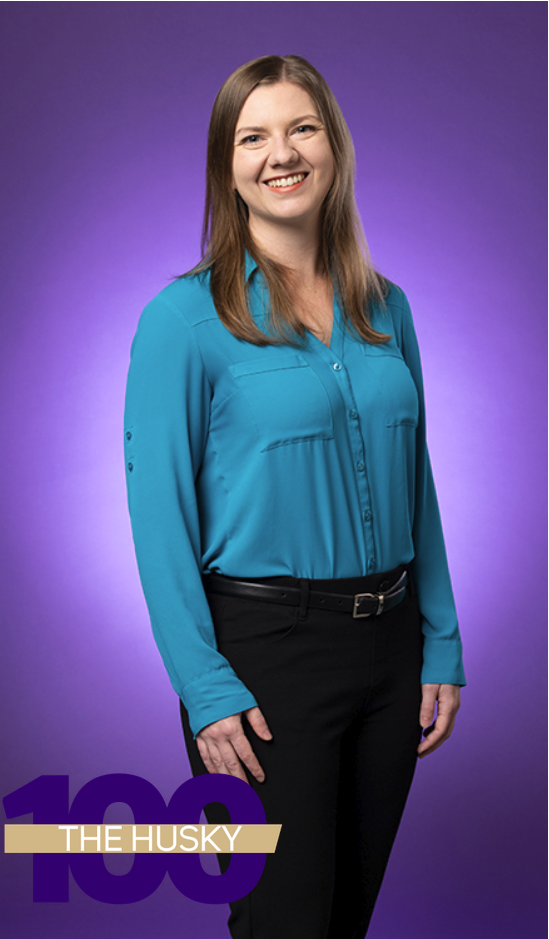
“I have a passion for biomedical science, and my experiences as a University of Washington graduate student have profoundly shaped my personal growth and community impact as I build my career in academic research. The skills and relationships that I gained in the classroom at the UW have enabled me to accomplish meaningful work through undergraduate teaching and mentoring, influencing policies that enhance equity, and publicly advocating for science and higher education on a national level. Through my Husky Experience, I grew into an innovative researcher, an equity-focused community member and an outspoken advocate for science, preparing me to lead in STEM as a future professor of immunology.”
Mohammad Gazi (PhD Global Health)
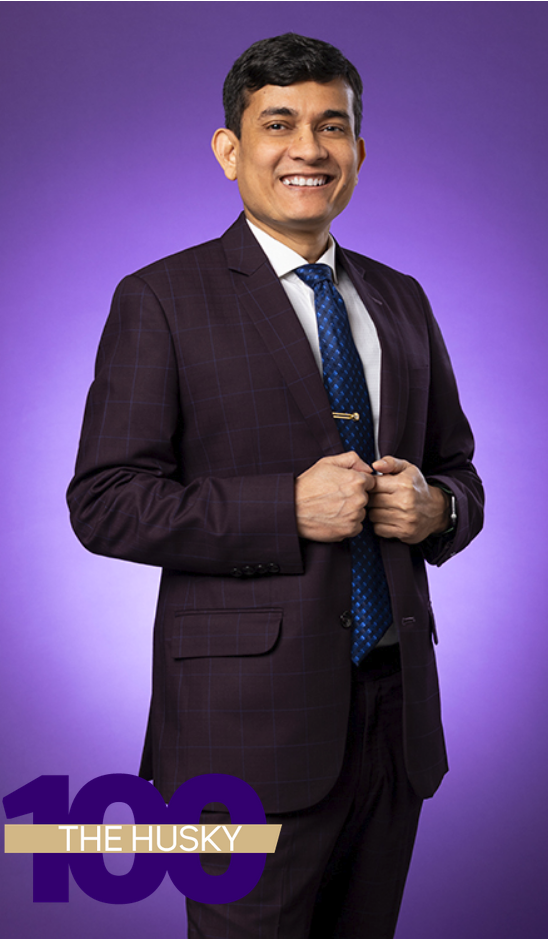
“My time at the UW has empowered me to embody Husky values by translating complex research into global health solutions. I research collaborative surveillance systems for vaccine safety and diseases with pandemic potential alongside incredible UW mentors. Leveraging my doctoral training, I aim to lead governance policies that foster transparent, cross-sector information sharing to protect vulnerable populations from infectious disease globally.”