
When a horse rider falls, people nearby usually want to help right away. The problem is many aren’t sure what the right first move actually is.
A new equestrian sports safety film that will release in June of 2026 from the UW Medicine Sports Institute is trying to change that by walking through what can be done in those first critical moments when there is a suspected serious injury until EMS arrives.
The project team was led by Dr. Cindy Lin, Director of The Sports Institute (TSI) and Clinical Professor of Sports & Spine Medicine, and builds on earlier TSI GamePlan sports safety films. But this time, the focus is a setting where the risks are high, and guidance is often unclear.

“There’s a real gap,” Lin said. “People don’t always know if they should or should not move someone with a serious injury, how to approach the scene, or what to watch for with a possible head or spine injury.”
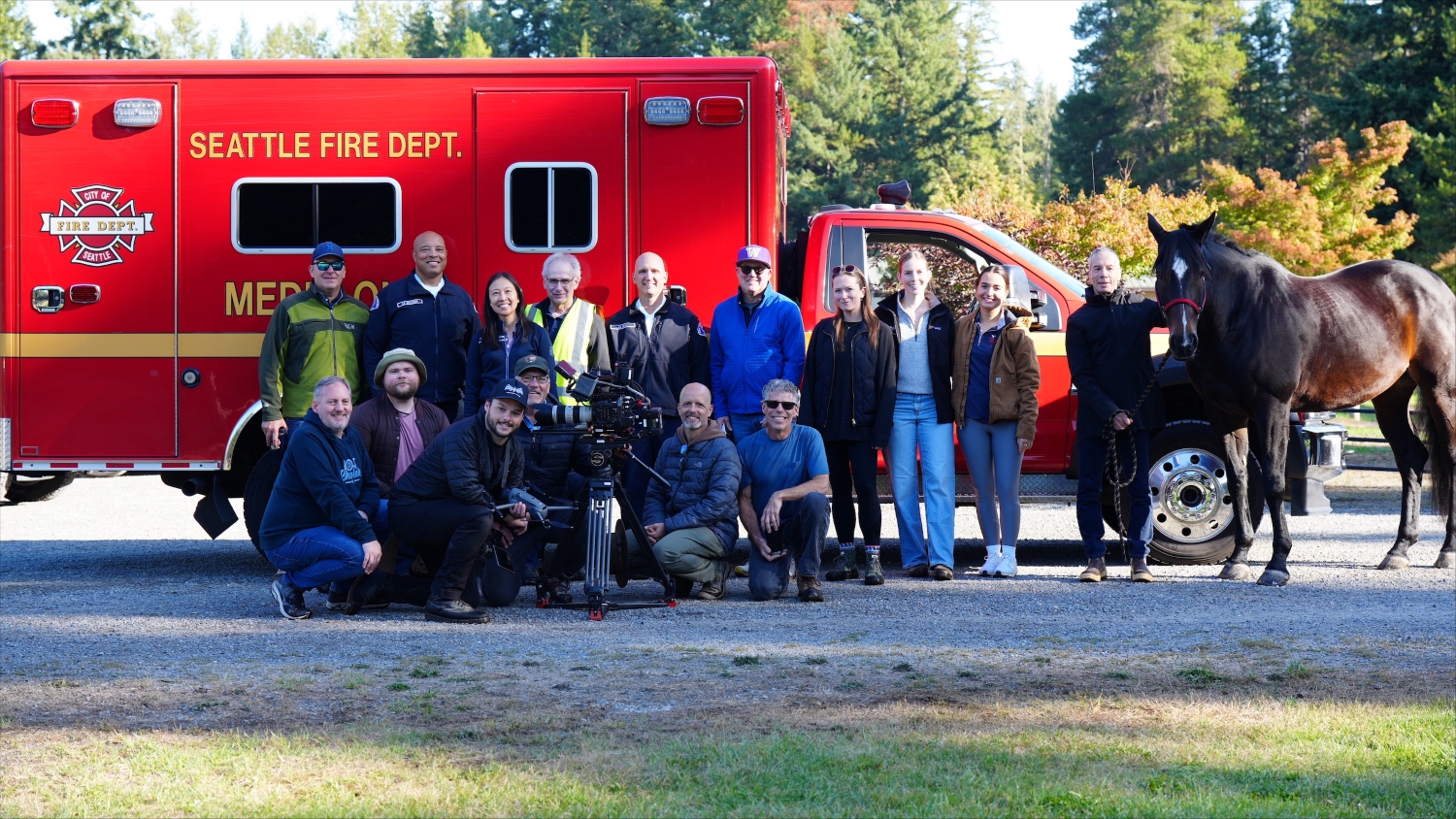
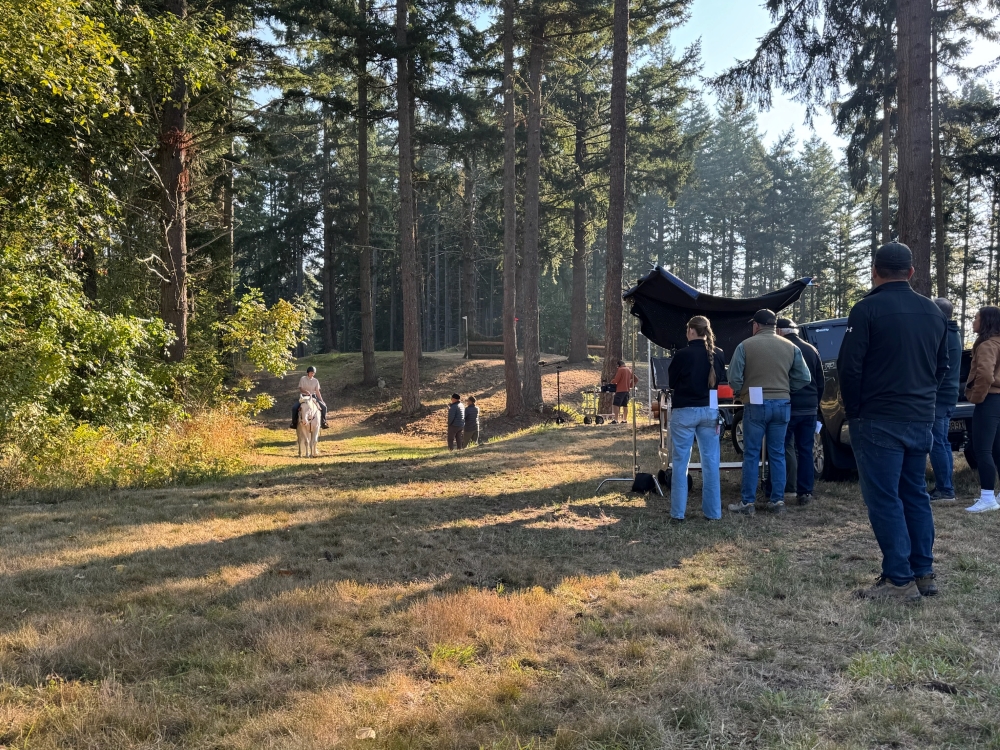
The film was developed with input from clinicians, emergency responders and the equestrian community at Aspen Farms in Yelm, WA, and including the Seattle Fire Department’s Medic One team. The film was developed with the support of donors and the US Eventing Association Foundation and videography by The Distillery. It’s meant to reflect what actually happens in rural settings, not just ideal scenarios.
A student perspective shaped by real experience
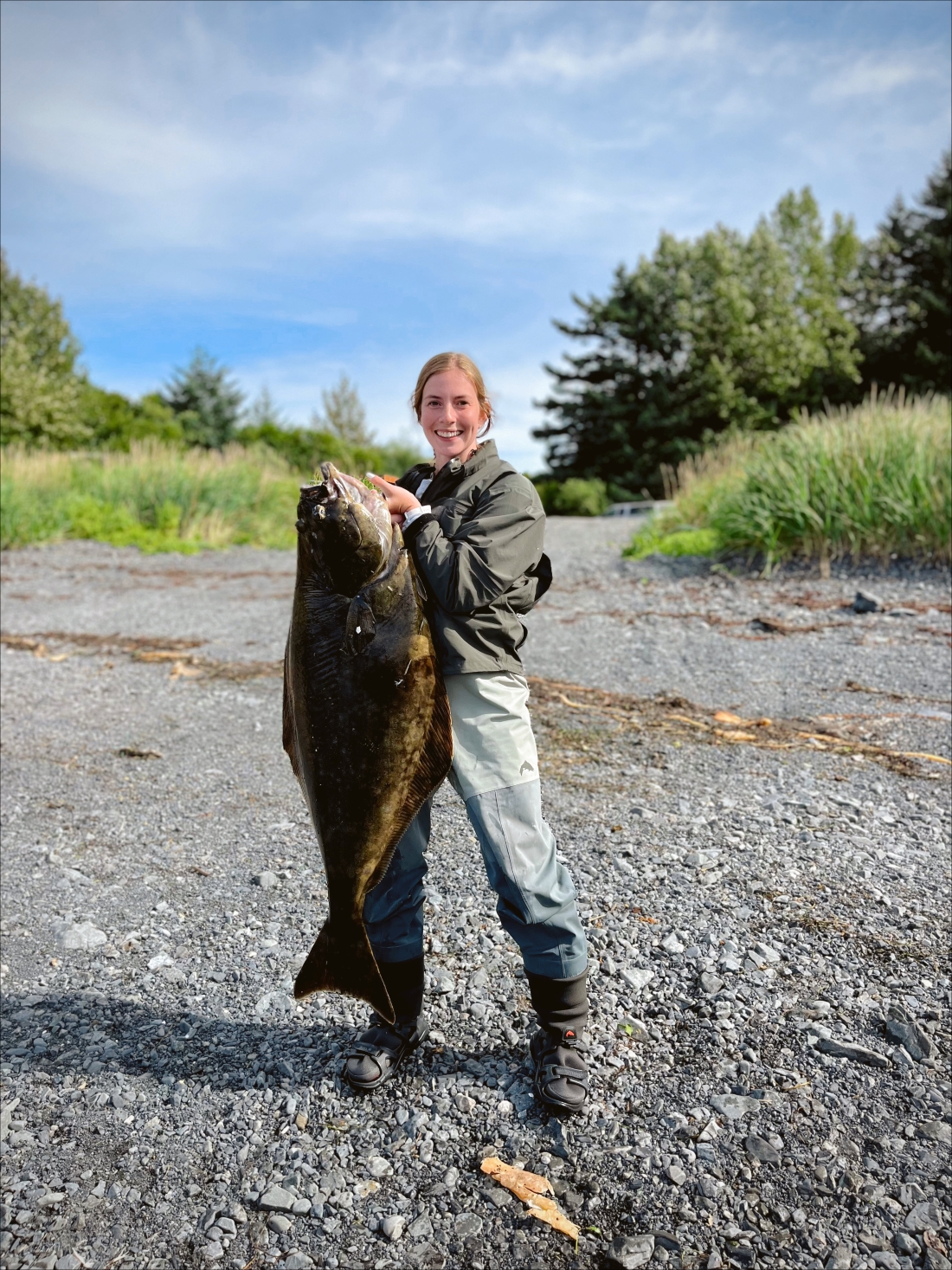
For Alyssa Randall, an Alaska WWAMI medical student who worked on the project, the topic is personal.
She grew up around horses in Kodiak and heard firsthand stories of injuries and close calls. One story that stuck with her involved a rider whose foot got caught in a stirrup and was dragged around the arena.
“The people there didn’t know how to respond,” she said. “They were in shock.”
That experience and others like it shaped how she approached the project, from early research to script writing and filming.
“I kept thinking about my own family,” she said. “What would they want to know at that moment? What would help them feel confident stepping in?”
The instinct to help and when it can backfire
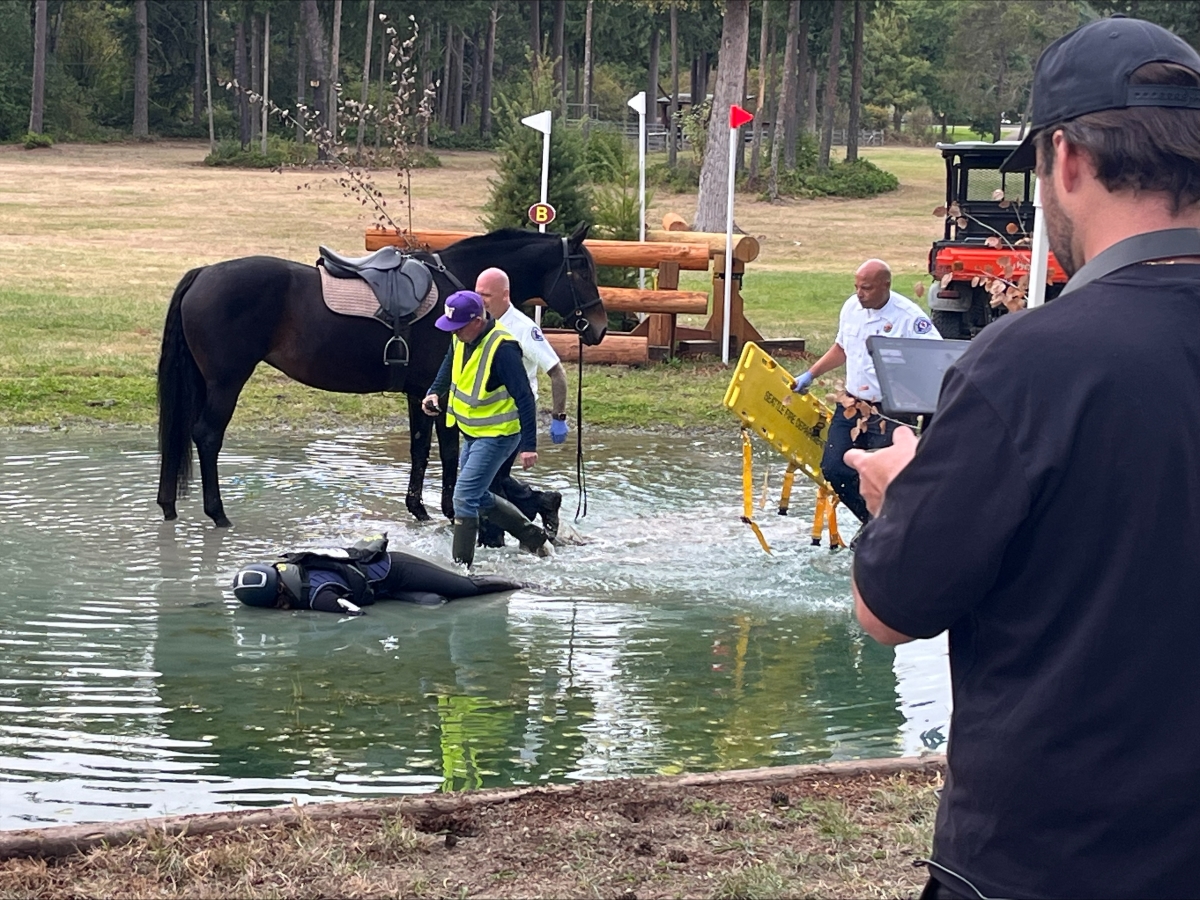
One of the biggest challenges the film addresses is how quickly situations escalate.
“It’s human nature to try to get somebody up right away who has fallen,” Lin said. “But moving someone too quickly, especially if there’s a serious injury, can in some situations make things worse.”
Instead, the focus is on a few key steps: call for help, make sure the scene is safe to enter, talk to the injured person, and keep them calm. If there is major bleeding stop the bleeding, and if the person is unresponsive and not breathing, start cardiopulmonary resuscitation (CPR) if you know how to perform it.
There’s also the added complexity of the horse itself. A frightened 1,000-pound animal can be unpredictable and spook, especially if people rush in or emergency vehicles arrive with lights and sirens on.
Why this matters in the WWAMI region
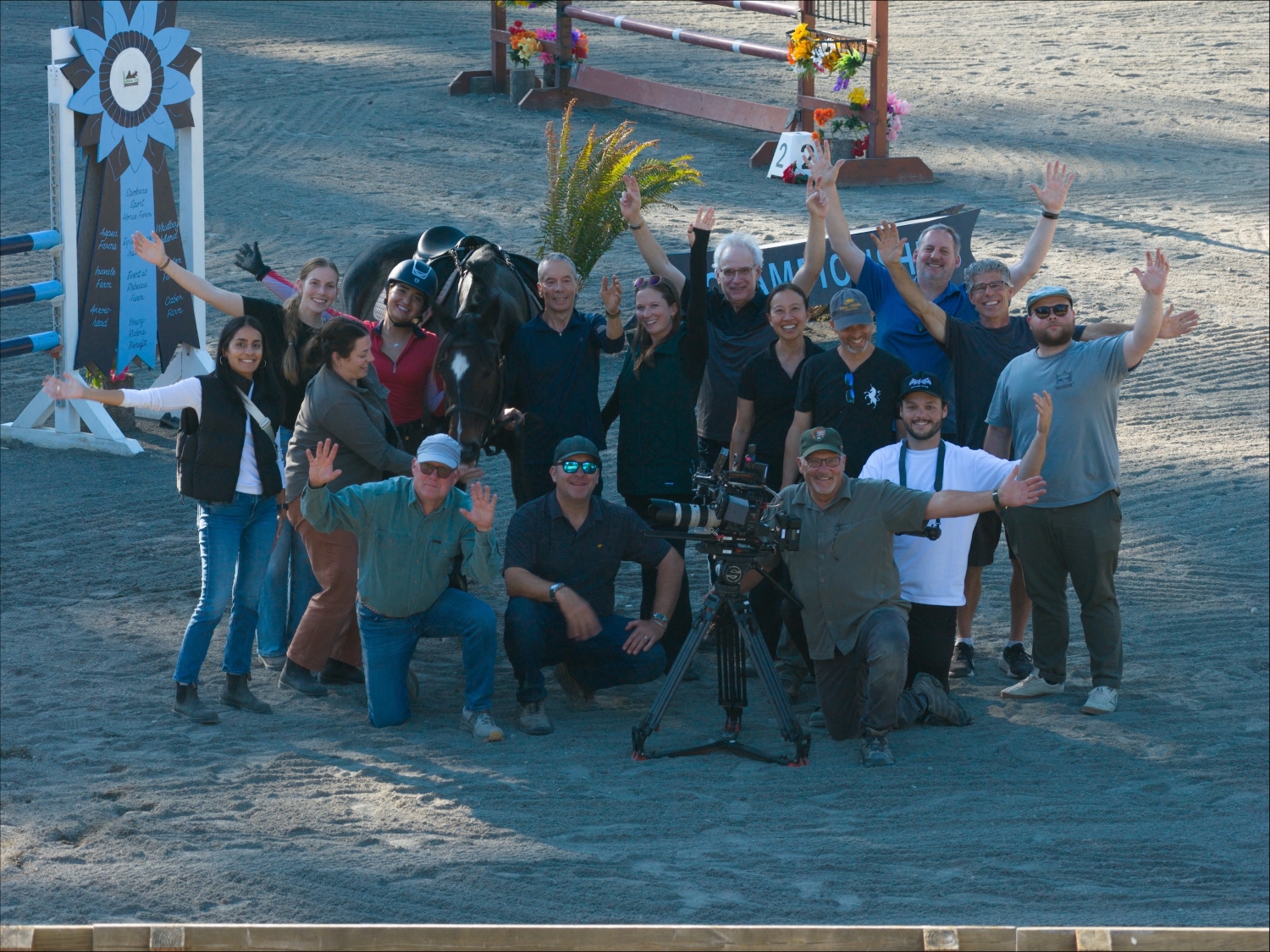
The issue is especially relevant across Washington, Wyoming, Alaska, Montana and Idaho, where many equestrian communities are rural.
In those settings, help isn’t always close.
Randall has seen reality firsthand. Her grandparents live in a remote area of Kodiak, about an hour from the nearest hospital. When her grandfather had a heart attack, even with help from family and neighbors, he didn’t make it to care in time.
“It really drives home how important those first moments are,” she said. “Not just calling for help but knowing what to do while you’re waiting.”
Built for real-world use
The goal isn’t just awareness; it’s practical use.
The film is designed so it can be shared at barns, used by riding clubs or incorporated into EMS training, especially in rural areas. Some segments are geared toward first responders, while others are meant for horse people and community members.
“There’s nothing out there that really brings all of this knowledge together in one place in a simple memorable way,” Lin said. “We wanted to make a film that people could actually use in real life.”
For both Lin and Randall, the goal comes down to preparation and knowledge.
“I hope people feel more confident,” Randall said. “Whether it’s a friend falling on a trail ride or something happening at an event, just knowing what to do can make a huge difference.”
Additional Resources