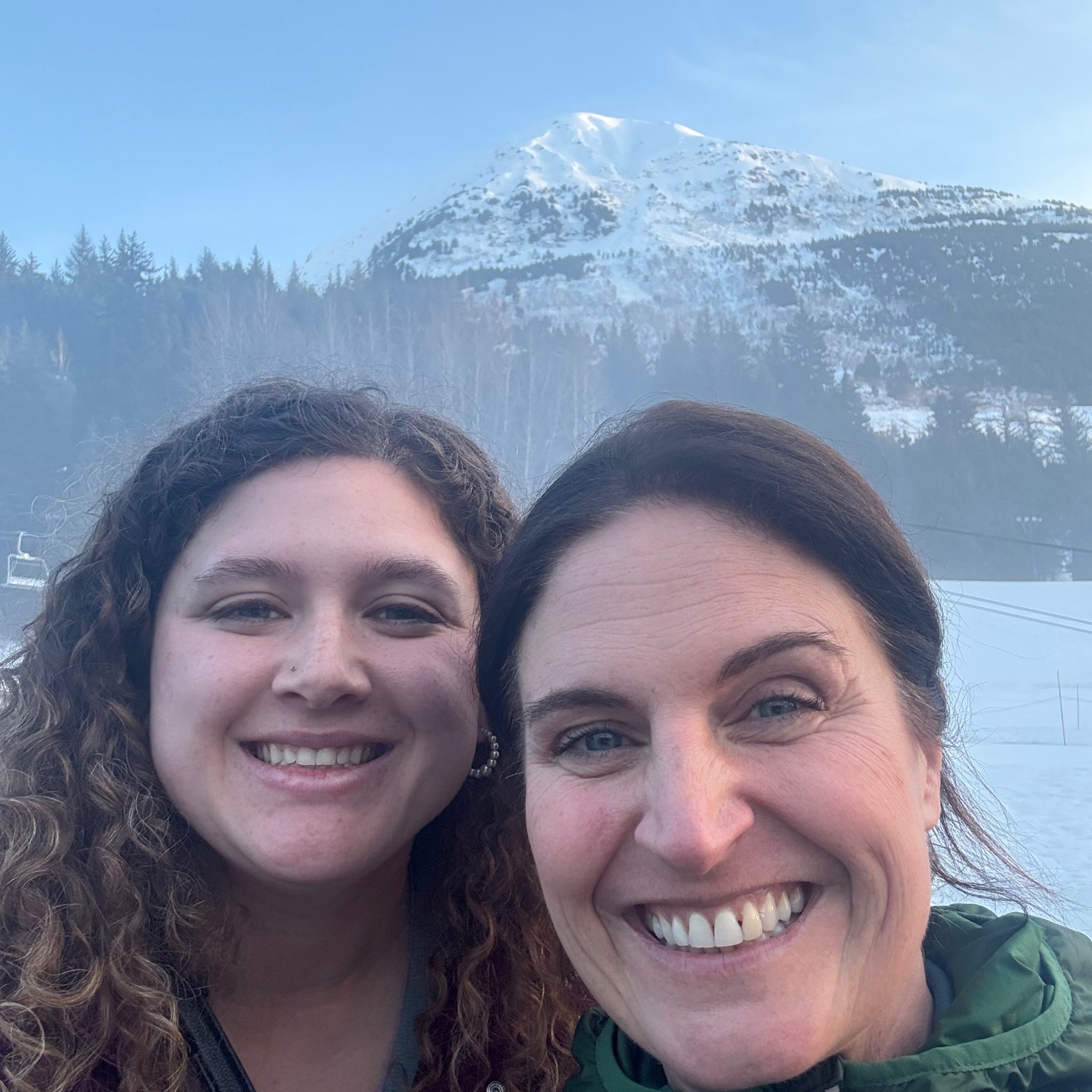
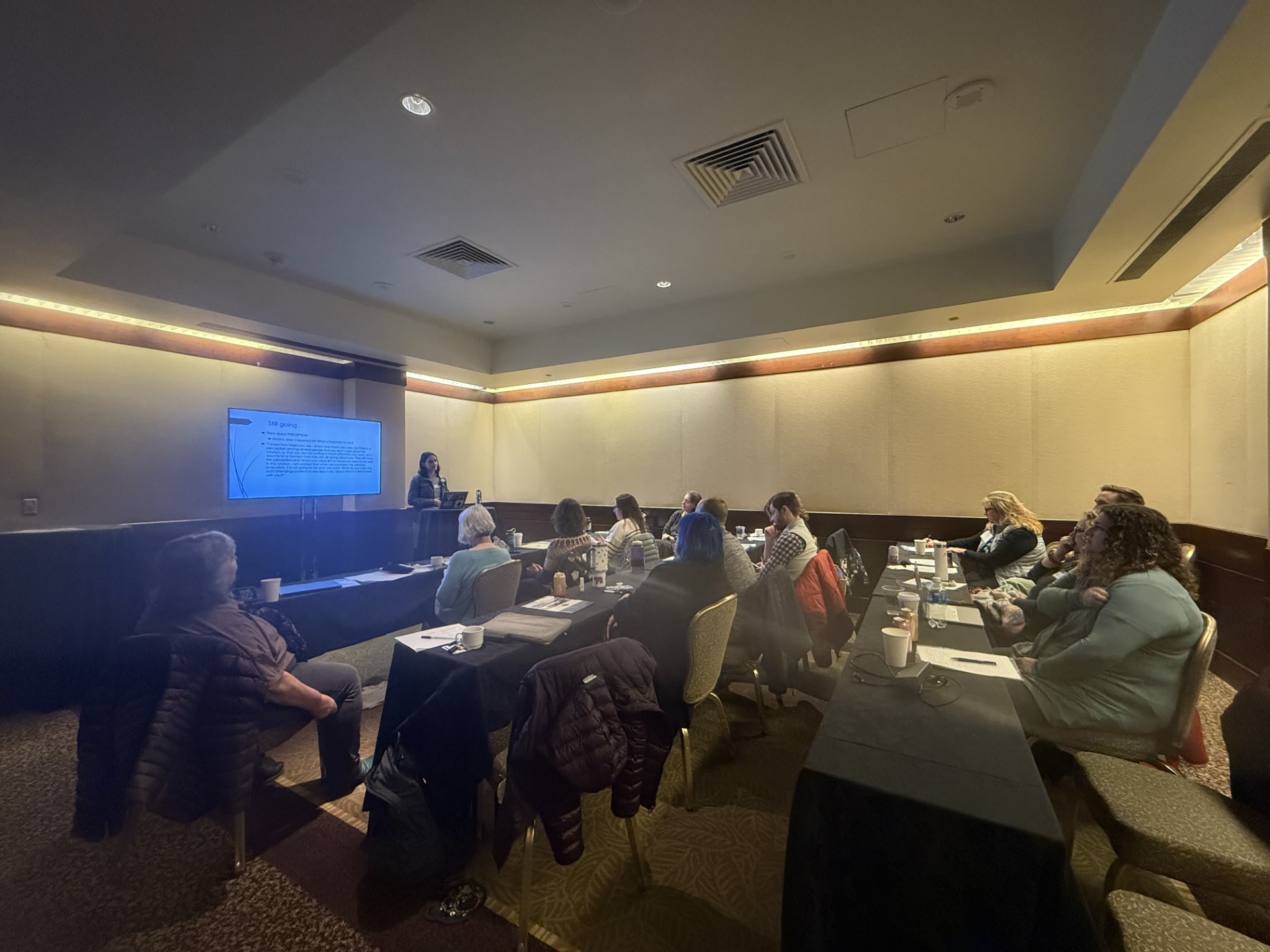
 Against the backdrop of snow-covered peaks in Girdwood, Alaska WWAMI faculty gathered with a shared purpose: strengthening how they teach, assess, and mentor the next generation of physicians. The Alaska WWAMI Educator Development Conference (February 6, 2026) focused on practical strategies educators can apply immediately in clinical settings, with sessions on writing effective letters of recommendation, delivering meaningful feedback, and navigating emerging topics in medical education.
One session introduced Competency-Based Medical Education (CBME), led by Dr. Barb Doty, Alaska WWAMI Assistant Clinical Dean. Dr. Doty provided a concise overview of the University of Washington School of Medicine’s upcoming shift to CBME in core patient care clerkships. It will launch in late March. The approach replaces tiered grading with frequent, workplace-based assessments that emphasize direct observation, timely feedback, and student growth over time.
“The model replaces the Pass High Pass Honors system that was identified to have a fair amount of bias and is in alignment with how residents are now evaluated,” Dr. Doty said. “It is a competency and outcomes-based approach and has several individual components for each clerkship that are evaluated through an app-based assessment form, accessible on a laptop or cell phone.”
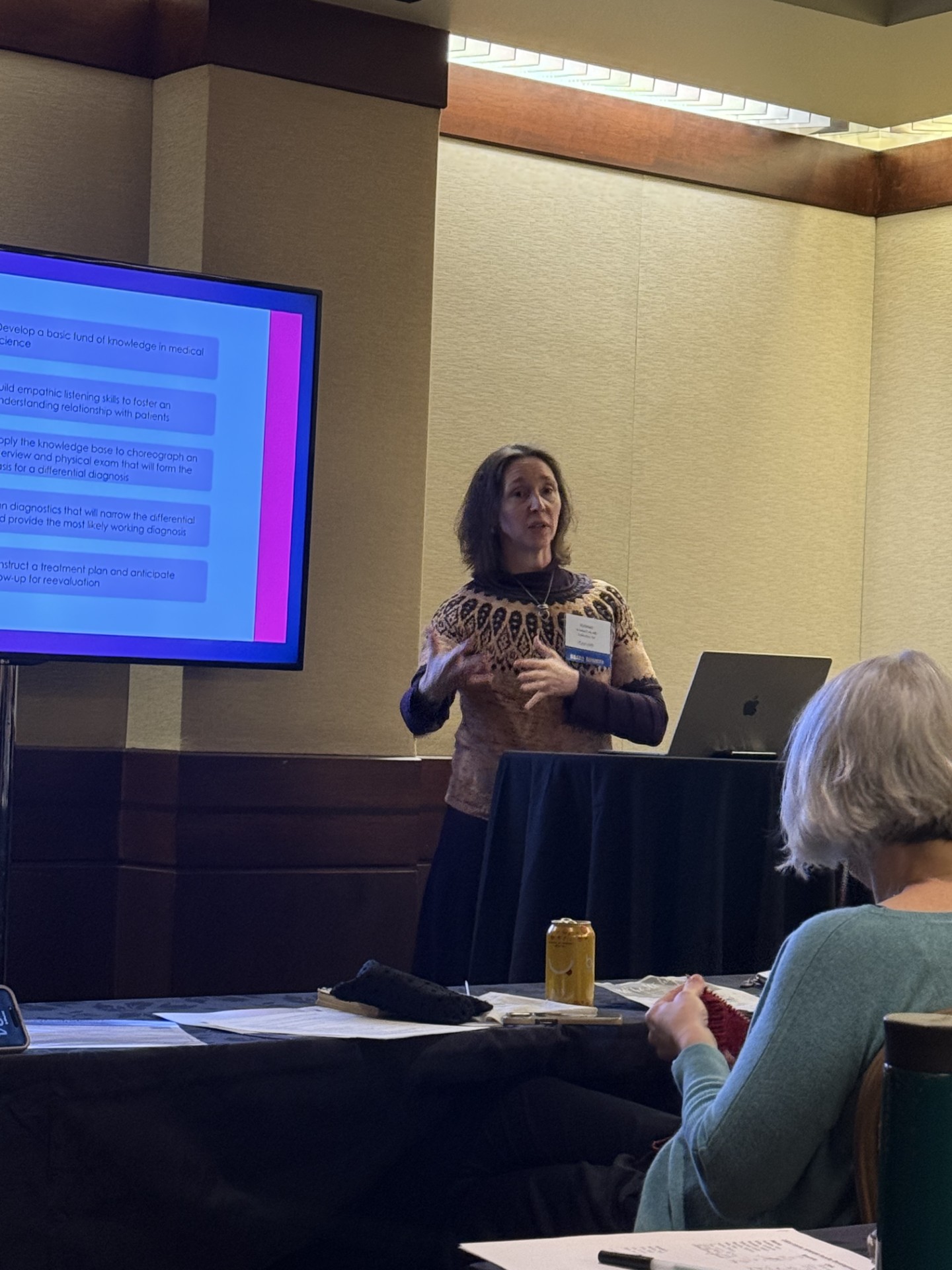
Another standout topic of the day was the responsible use of artificial intelligence in clinical teaching, presented by Dr. Kristen Lee. The session generated lively conversation about how AI tools can enhance teaching and assessment while maintaining professionalism, patient-centered care, and trust in clinical learning environments.
Building on this momentum, Alaska WWAMI plans to offer this educator development content again next year during the Alaska Academy meetings, along with a shorter Continuing Medical Education (CME) faculty development session at the Alaska Chapter of the American College of Physicians meeting in October 2026.