

Heart disease remains the leading cause of death in the United States, but many of its most significant risk factors are within our control. For Idaho WWAMI alum and interventional cardiologist Dr. Kendra Coonse, heart health starts with everyday habits.
At the core of prevention, she emphasizes lifestyle choices and routine monitoring.
“Following a heart-healthy diet and regular exercise are the most important modifiable risk factors for heart disease,” she said. “It’s also important to keep up to date on routine screening for high blood pressure, high cholesterol, and diabetes. If there is a family history of heart disease, consider discussing this with your primary care physician or cardiologist to get an early start on prevention.”
Stress is another critical, and often overlooked, factor in cardiovascular health. While eliminating stress entirely isn’t realistic, Dr. Coonse highlights the importance of building habits that help manage it.
“We know that excess stress can have a negative impact on cardiovascular health,” she said. “Removing stress from our lives can be difficult, so it’s important to develop skills to manage it.”
She recommends regular exercise, adequate quality sleep, a healthy diet, and maintaining close personal relationships, which can all help in stress management. When it comes to physical activity, she encourages consistency over perfection and recommends finding movement that fits your lifestyle.
“The AHA recommends about 20 minutes per day of aerobic exercise. The best physical activity is the one you enjoy doing, as you are more likely to stick with a routine,” she said. “Consistency is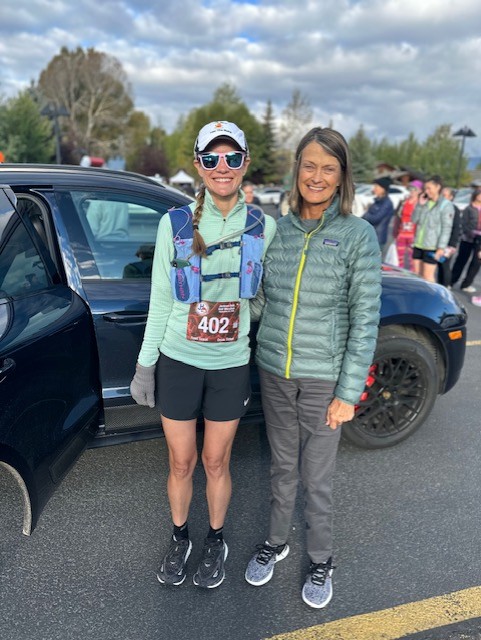 more important than perfection. Recruiting a friend or a pet is helpful for motivation.”
Dr. Coonse credits her training through Idaho WWAMI and the WRITE program for shaping how she currently practices medicine. She adds that exposure to diverse clinical settings was foundational to her development as a physician.
“As a WWAMI student I was exposed to medicine in many settings ranging from large inner city academic centers to rural health clinics, and both were important in shaping my approach to medicine. Although very different experiences, each offered outstanding teaching from patients and preceptors alike.”
She recalls her WRITE experience in McCall as particularly formative, and surprisingly predictive of her future specialty.
“My preceptors in McCall during the WRITE experience insisted I learn how to read ECGs –Turns out that was an important skill!” she added.
Her work has come full circle as she cares for patients from the same rural communities where she once trained. In her role as an interventional cardiologist at St. Alphonsus Heart Institute in Boise, she’s involved in the transfer and care of heart attack patients from Valley County, north of where she is located.
“As a WRITE student I remember these patients being flown from the hospital in McCall, and now I’m on the receiving end in Boise,” she said.
This American Heart Month, Dr. Coonse’s message is clear: small, consistent choices, supported by early prevention, stress management, and movement you enjoy, can make a lasting difference in heart health.