
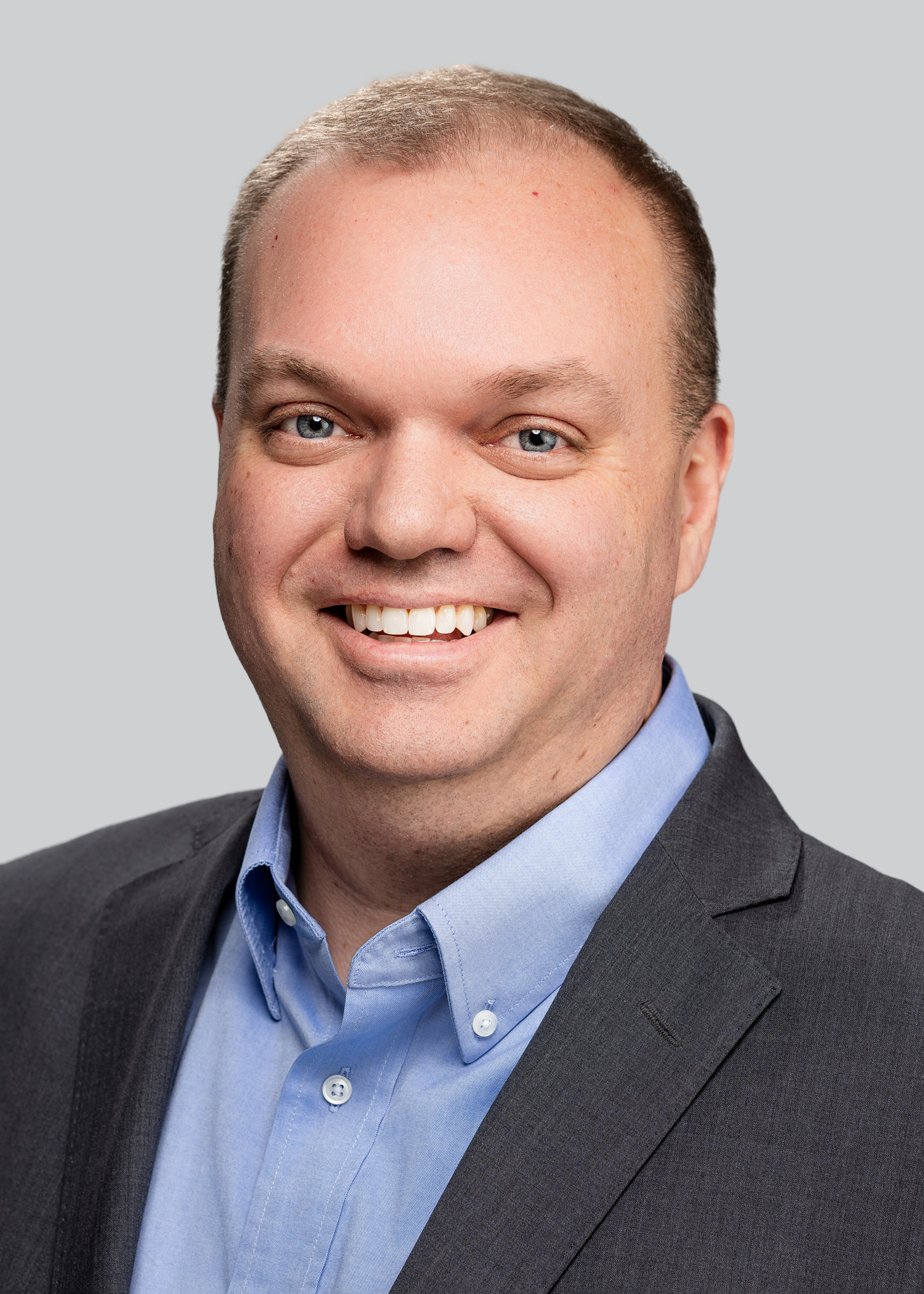
For years, a complex neurological diagnosis in North Idaho often came with an unwelcome prescription: a long drive. Patients seeking specialized care for epilepsy, multiple sclerosis, and other neurological conditions frequently had to travel hours away often across state lines to find it.
Dr. Cliff Hampton has spent the last 11 years working to change that.
When Dr. Hampton arrived at Kootenai Health in Coeur d’Alene, the neurology team consisted of three physicians who split their time between the clinic and the hospital. Today, the practice he serves as medical director includes 10 outpatient providers spanning multiple neurologic subspecialties, three dedicated inpatient neurohospitalists, and a physical medicine and rehabilitation provider adopted into the neurology practice. Kootenai Health is now a multiple sclerosis center of excellence, a nationally accredited epilepsy center, and a designated stroke center, with partnerships with academic centers helping to fill in where subspecialty programs are still developing.
“More and more patients are able to stay local and access care rather than travel hours away to another state to get the help they need,” Dr. Hampton says.
Nowhere is that growth more visible than in the Epilepsy Monitoring Unit; a resource Dr. Hampton was instrumental in bringing to Kootenai Health. An epilepsy specialist, he was familiar with epilepsy centers and monitoring units from his training but nothing like that existed in North Idaho.
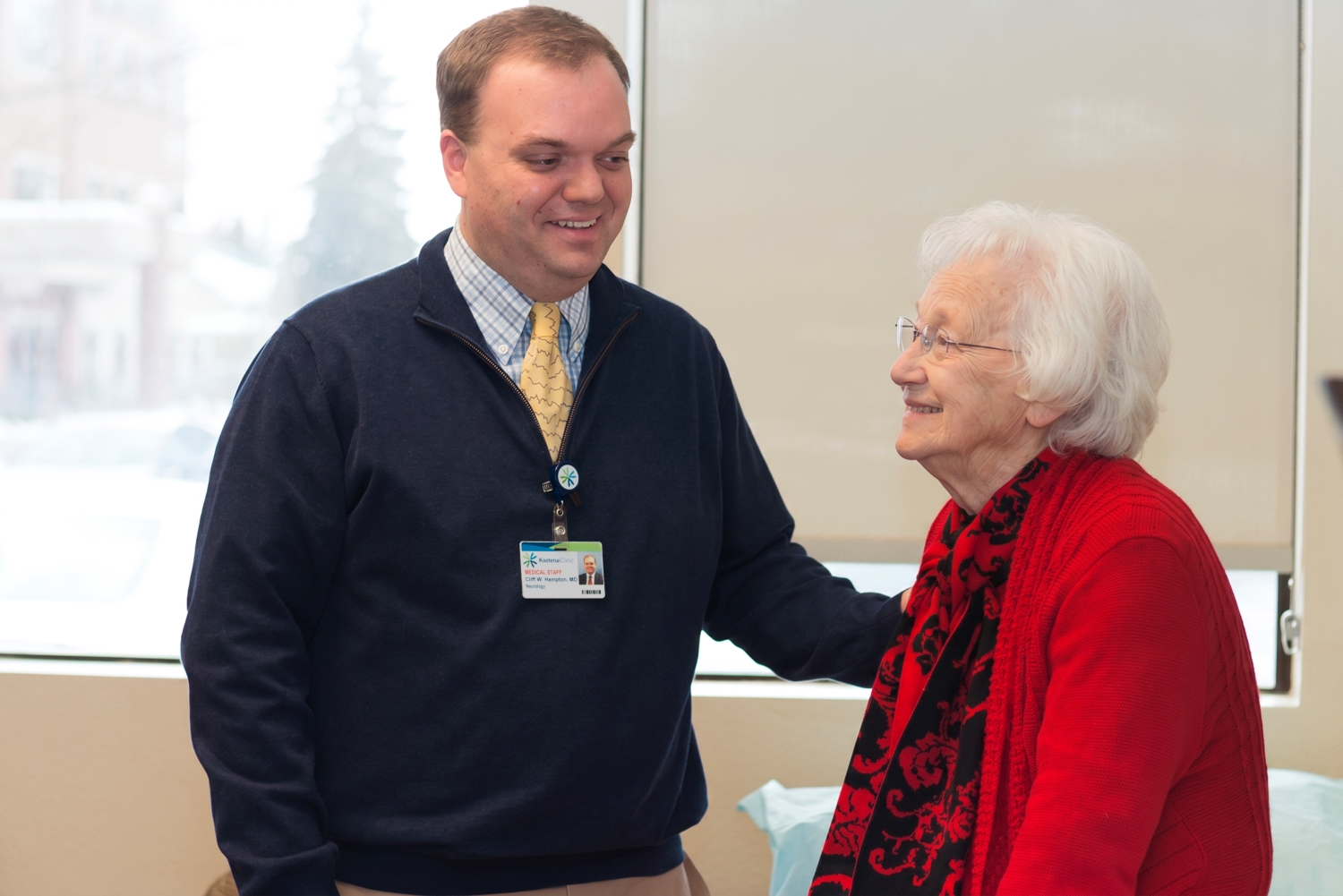 “It really started about nine years ago by discussing our need for these services with our medical, administrative, and nursing leadership,” he recalls. Over the course of a year of regular meetings, a multidisciplinary group traveled to Mayo Clinic Scottsdale, where they toured the facility, learned its protocols, and gathered ideas they wouldn’t have thought of otherwise. “We brought those home and developed a robust EMU which has been busy ever since. That allowed us to have much more accurate diagnoses and has led to more specific and personalized medical and surgical options for treatment.”
What keeps him in North Idaho is simple. His wife grew up in the Northwest, and though her family no longer lives in the area, she felt at home here. “The needs of the people keep me here,” he says. “Making sure that they have access to great care.”
That commitment extends beyond his patients to the physicians who will care for them in the decades ahead. As a physician preceptor for Idaho WWAMI students, Dr. Hampton helps demystify a specialty many future doctors find intimidating.
“I enjoy helping students going into various fields to have an understanding of the neurology black box so that they can take better care of their future patients,” he says. “It’s great to be an example of being an advocate for my patients and helping students see what I hope is a healthy doctor-patient relationship.”
The reward, he says, comes when the investment stays local: “Being a preceptor is rewarding, especially when we have students that come here for their family medicine residency and then stay locally as primary care providers.”
That is exactly why the Idaho WWAMI program exists to train physicians who will stay, serve, and build the kind of specialized care infrastructure Idaho communities deserve.
As for the patients across the region, Dr. Hampton wants them to know one thing.
“I hope that patients in this region understand that they don’t have to settle for decades-old, second-rate neurology care,” he says. “We can provide modern diagnostic studies, medical treatments, and offer surgical treatments when appropriate and we can do that right here in North Idaho.”