
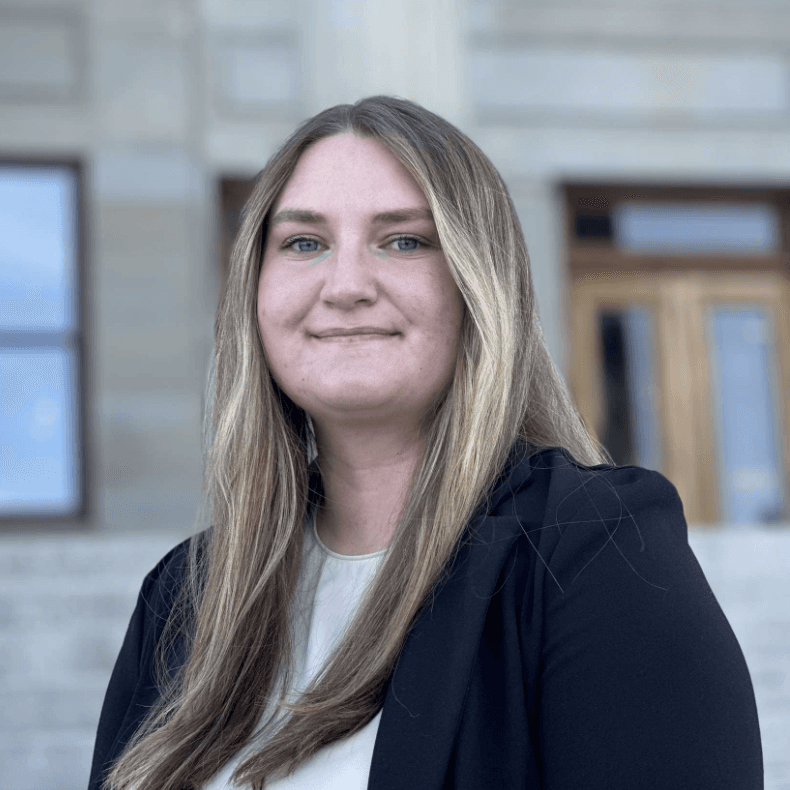
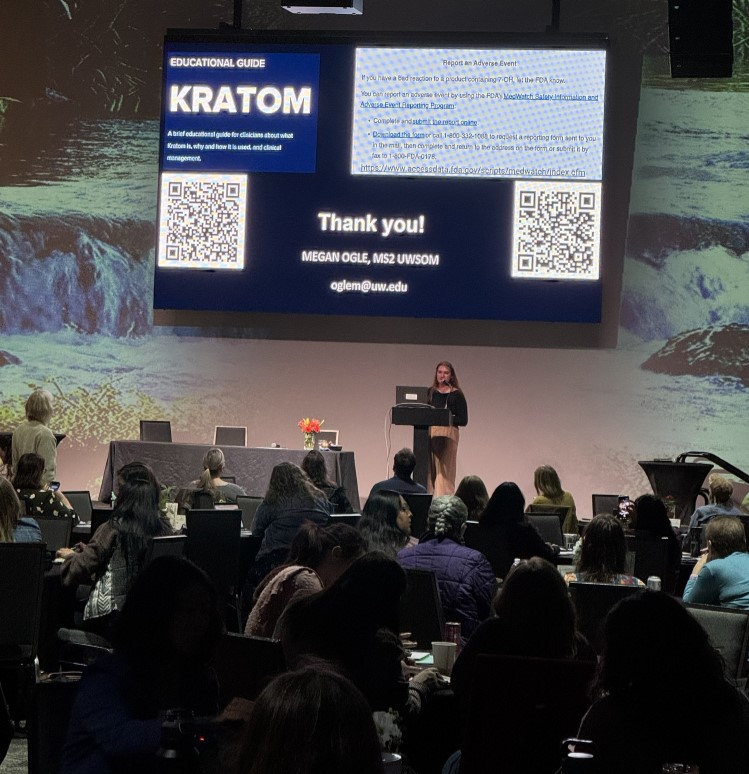
When attendees gathered in Butte for the Montana Addiction Medicine & Pain Conference, Montana WWAMI student Megan Ogle shared her comprehensive research on kratom, a plant-derived substance that has gained attention for its use in pain management and opioid withdrawal. A third-year medical student and Miles City TRUST Scholar, Ogle explored the complex questions surrounding its use, regulation, and public health impacts.
In her featured presentation, “Kratom in the Community: Education, Advocacy, and Regulation”, she examined the growing availability of kratom products, the health risks, and the need for informed public policy and community education.
Ogle said her goal was to help clinicians, policymakers, public health professionals, and community leaders better understand kratom and the policy challenges surrounding it. The research is deeply personal to her.
“I have seen both patients and members of my own family struggle with medications they were told were safe and non-addictive, only to experience life-altering consequences,” she said.
That perspective has shaped her interest in educating both healthcare professionals and the public about emerging substances and their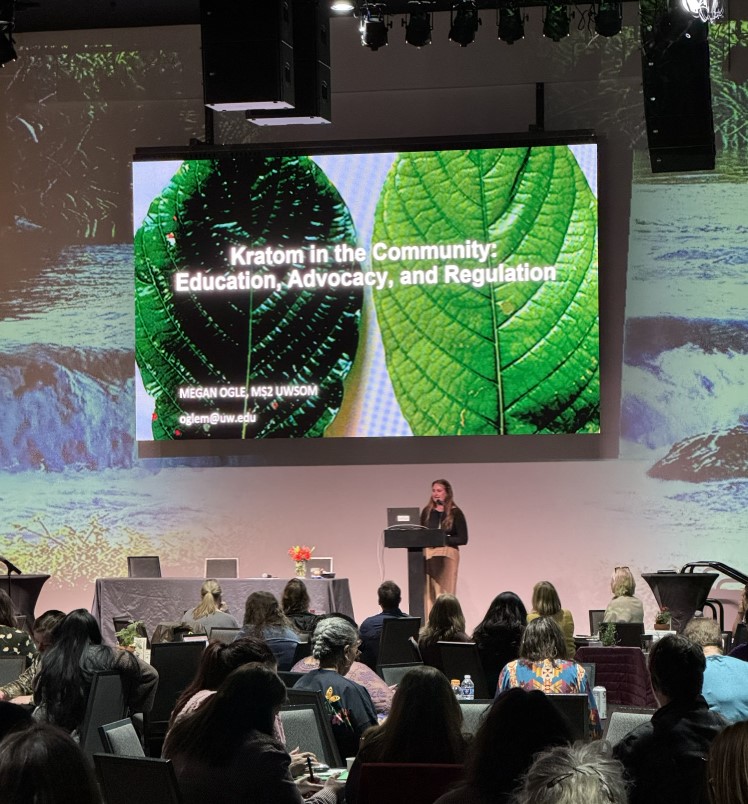 risks.
Ogle noted that kratom products have become increasingly visible and accessible to adolescents and young adults in recent years, raising public health concerns.
“Certain kratom metabolites and highly concentrated alkaloid products can cause respiratory depression and death and have already been implicated in overdose deaths in Montana,” she added.
A common misconception, she said, is that kratom is automatically safe because it is natural. While she emphasized that current evidence does not support that assumption, she also noted kratom’s long history of traditional use in some cultures.
Ogle also addressed concerns about highly concentrated kratom products and the challenges posed by inconsistent labeling, varying purity standards, and limited age restrictions, all of which can increase risks for consumers and complicate public health efforts.
Her presentation highlighted the importance of balancing regulation with access to treatment, particularly in rural communities where evidence-based care for opioid use disorder may be limited.
 Originally from White Sulphur Springs, Ogle said her interest in the topic grew during clinical rotations in Eastern Montana. There, she met patients whose experiences inspired her research and advocacy efforts.
“The most effective way I can help prevent these outcomes is through education—equipping policymakers, clinicians, and public health professionals with the knowledge they need to protect their communities,” she said.
Her work has connected her with clinicians across Montana who are actively advocating for their patients and communities. As she advances in her medical training, Ogle hopes to carry that same commitment forward.
“I aspire to be a physician who not only provides excellent clinical care but also advocates for policies and systems that expand access to healthcare,” she said.