Prospective Preceptors
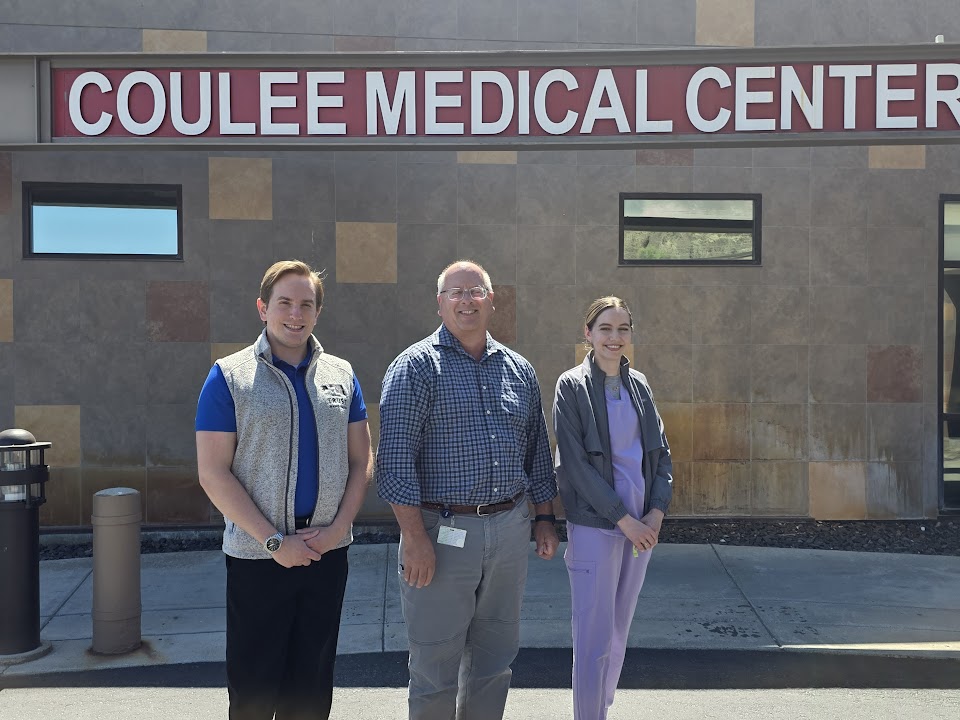
Preceptor Dr. Castrodale with his RUOP and WRITE students in front of their clinic in Grand Coulee, WA.
Our volunteer preceptors are exemplary community physicians with a strong interest in introducing students to the joys and challenges of providing care to rural and urban-underserved populations.
Busy physicians recognize that their clinic time can be hectic, but every year our preceptors comment on the enjoyment that clinical teaching brings to their day-to-day work. Enthusiastic student learners challenge preceptors to be at their best, while patients enjoy interacting with the students and seeing their physician in a teaching role. Our preceptors find that shaping and influencing young physicians-in-training is quite rewarding, and students return the sentiment by commenting that their preceptor is one of the most impactful mentors throughout their medical school experience!
If you are interested in becoming a RUOP preceptor, please email the Office of Rural Programs at somrural@uw.edu.
BENEFITS OF BEING A RUOP PRECEPTOR
- CME Credits: RUOP preceptors are eligible to receive CME credits
- Get access to medical library resources through the UWSOM
- UW Faculty Appointment: Community physicians who provide a minimum of 50 hours teaching UWSOM students are eligible for clinical faculty status.
- Information about clinical faculty appointments and applications. Faculty Appointments
WHAT AND WHEN?
RUOP is a four-week, elective immersion experience in community medicine
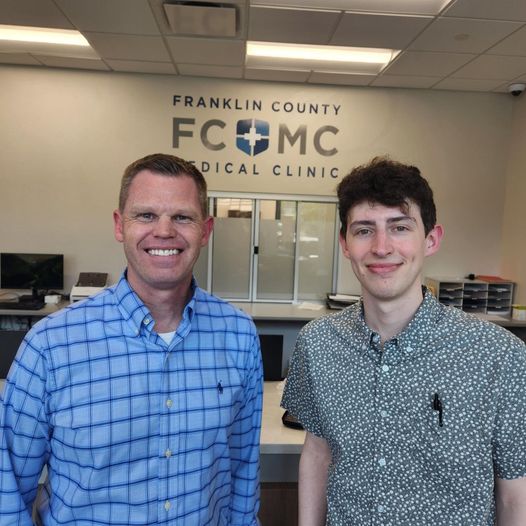
Preceptor Dr. Hansen and RUOP student in clinic in Preston, ID.
for students during the summer between their first and second years of medical school.
- Students live in rural or urban underserved communities throughout Washington, Wyoming, Alaska, Montana, and Idaho (WWAMI). They work in clinics and hospitals with preceptors like you – experiencing their first extended clinical involvement. This has proved to be a sought-after and dynamic learning experience for the majority of our medical students.
- RUOP Season: Late June – August (4 consecutive weeks within this timeframe based on preceptor and student schedules/availability)
Our office matches students to a preceptor/community based on extensive application information that the student submits – we have a fantastic record of successful student-preceptor matches and we take care of the logistics of student housing, travel, and matching so that you can focus on teaching in clinic!
TEACHING ACTIVITIES
Along with expanding history-taking and physical exam skills, students are eager to participate in a full range of clinical activities. Students are expected to be hands-on; this is not just a shadowing experience!
- They want to experience what it is to be a physician, through your eyes and the lens of your community.
- RUOP students are not yet independent. They need your direction and supervision. We also provide a summary of the skills they have learned throughout the first year of school, so you can be aware of what they are and are not capable of.
- Your role modeling and clinical teaching can shape a professional over their lifetime.
- Students will spend 30-35 hours per week in clinic.
- There is no grade associated with the clinical experience thus no formal evaluation is required, though students do appreciate informal feedback on their progress.
STUDENTS & COMMUNITY
Most RUOP students combine their clinical work with a community medicine scholarly project for UWSOM credit.
While working with you, students complete a web-based community medicine course with a UWSOM Faculty Mentor. While you are not expected to advise them on this aspect of their RUOP experience, students may appreciate your insight into your specific community, as they work to identify a locally-relevant topic to focus on. During their coursework, students:
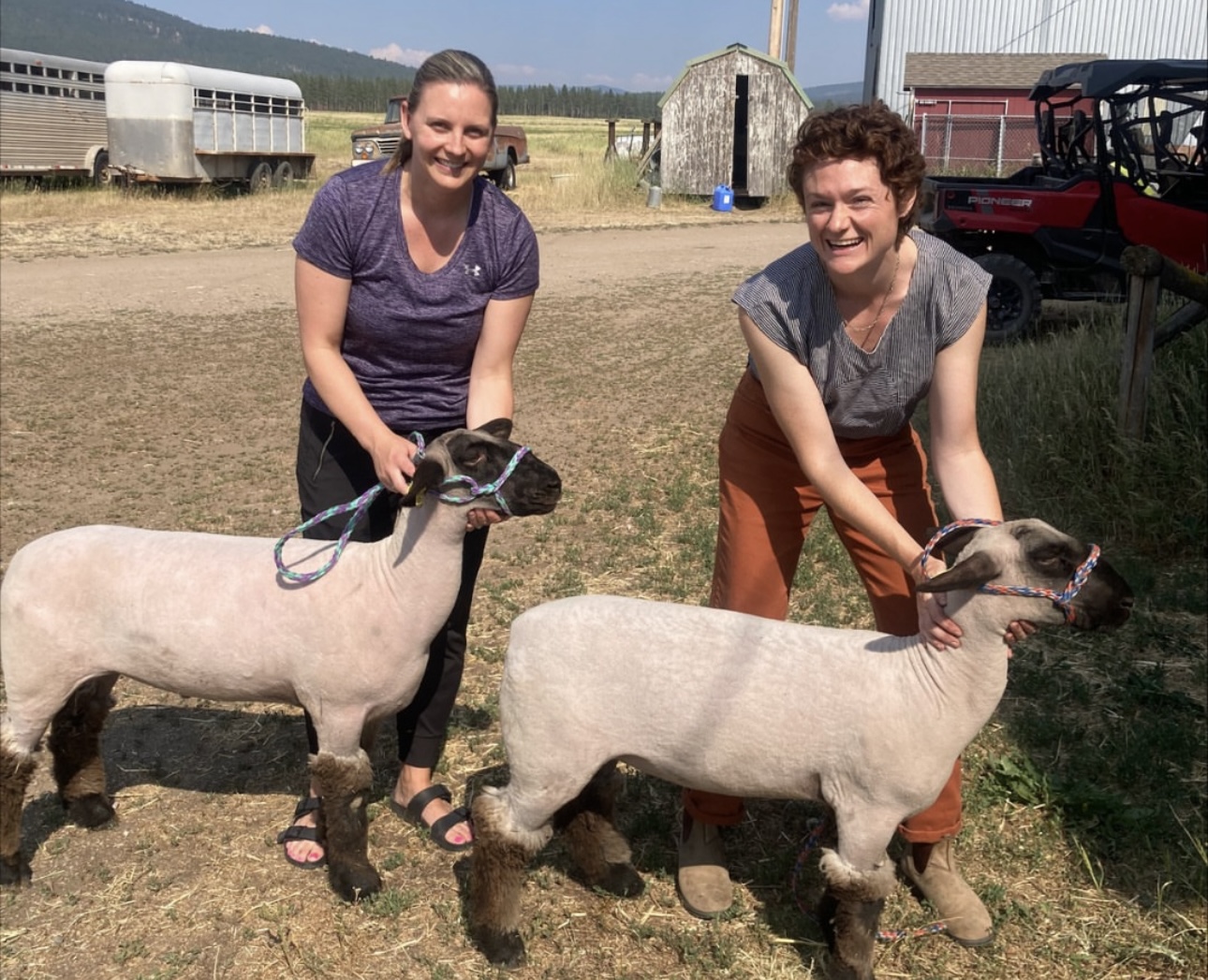
Preceptor Dr. Hathaway and her RUOP student in Missoula, MT.
- Learn about the social determinants of health
- Assess your community for health strengths/challenges
- Research potential interventions to public health issues and contextualize them to build on existing community assets
PROGRAM GOALS FOR PRECEPTORS
Overall, we want this to be an eye-opening and formative learning experience where students get to practice their classroom skills in a clinical setting, while also gaining an appreciation for rural and underserved medicine. Below are broad goals for our RUOP preceptors:
- Provide students with an early exposure to the rewards and challenges of practicing primary care medicine in rural or urban under-resourced settings.
- Promote in students a positive attitude toward rural and urban underserved community medicine.
- Provide students with an opportunity to learn how community health care systems function.
We would love for you to join our program as a preceptor! If you are interested in becoming a RUOP preceptor or have additional questions about the role/program, please email the Office of Rural Programs at somrural@uw.edu.